


Dev Blog #93
Upcoming Graphics Improvements and New Paint Schemes
As you know from our previous Dev Blog, we're preparing another fairly substantial update, 1.006.
Last time, we talked about new interface features: the leaderboard and a system that keeps players informed about AI behavior in single-player missions.
Today, it's time to talk about the other major part of the update: graphics improvements and new aircraft paint schemes.
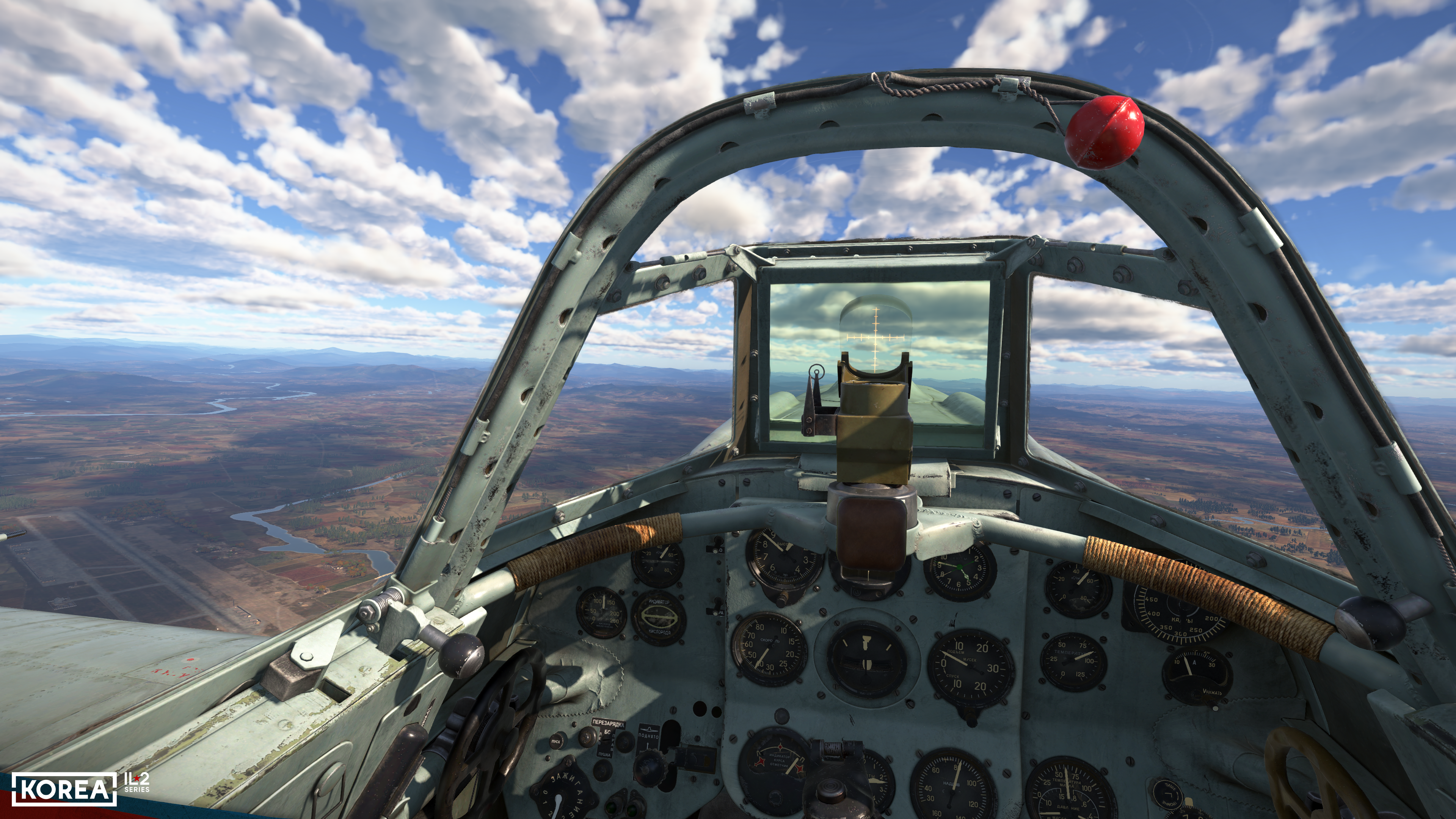
Let's start with the graphics.
Our main goal when creating a flight simulator is to convey the sensation of flight and make what you see on screen as convincing, as true to life, and as close to what we see with our own eyes as possible. After all, our ultimate goal is to recreate the feelings pilots experienced while flying the remarkable machines represented in our project—the sensations and experiences that today can only be had in a simulator.
Our main goal when creating a flight simulator is to convey the sensation of flight and make what you see on screen as convincing, as true to life, and as close to what we see with our own eyes as possible. After all, our ultimate goal is to recreate the feelings pilots experienced while flying the remarkable machines represented in our project—the sensations and experiences that today can only be had in a simulator.
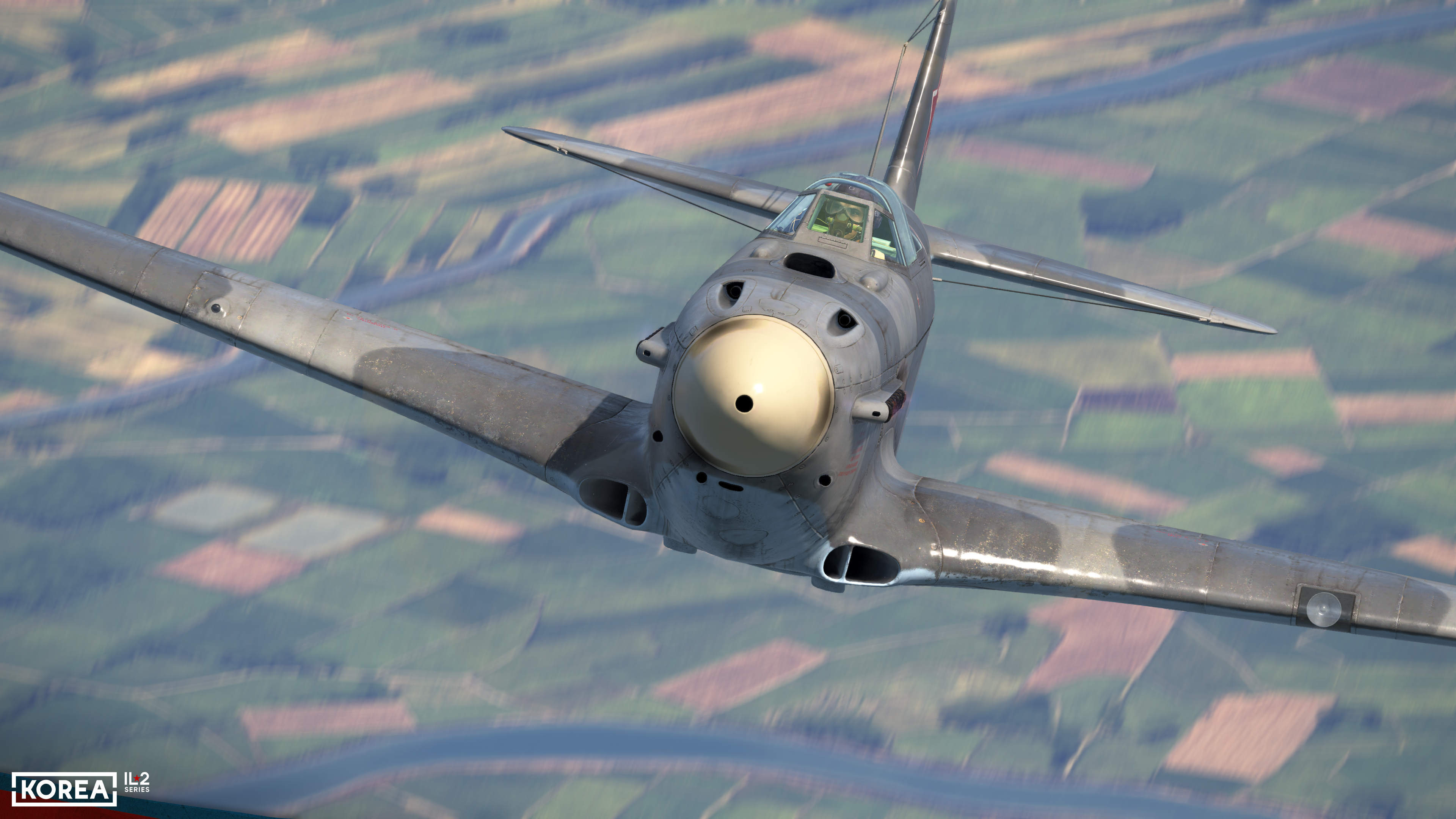
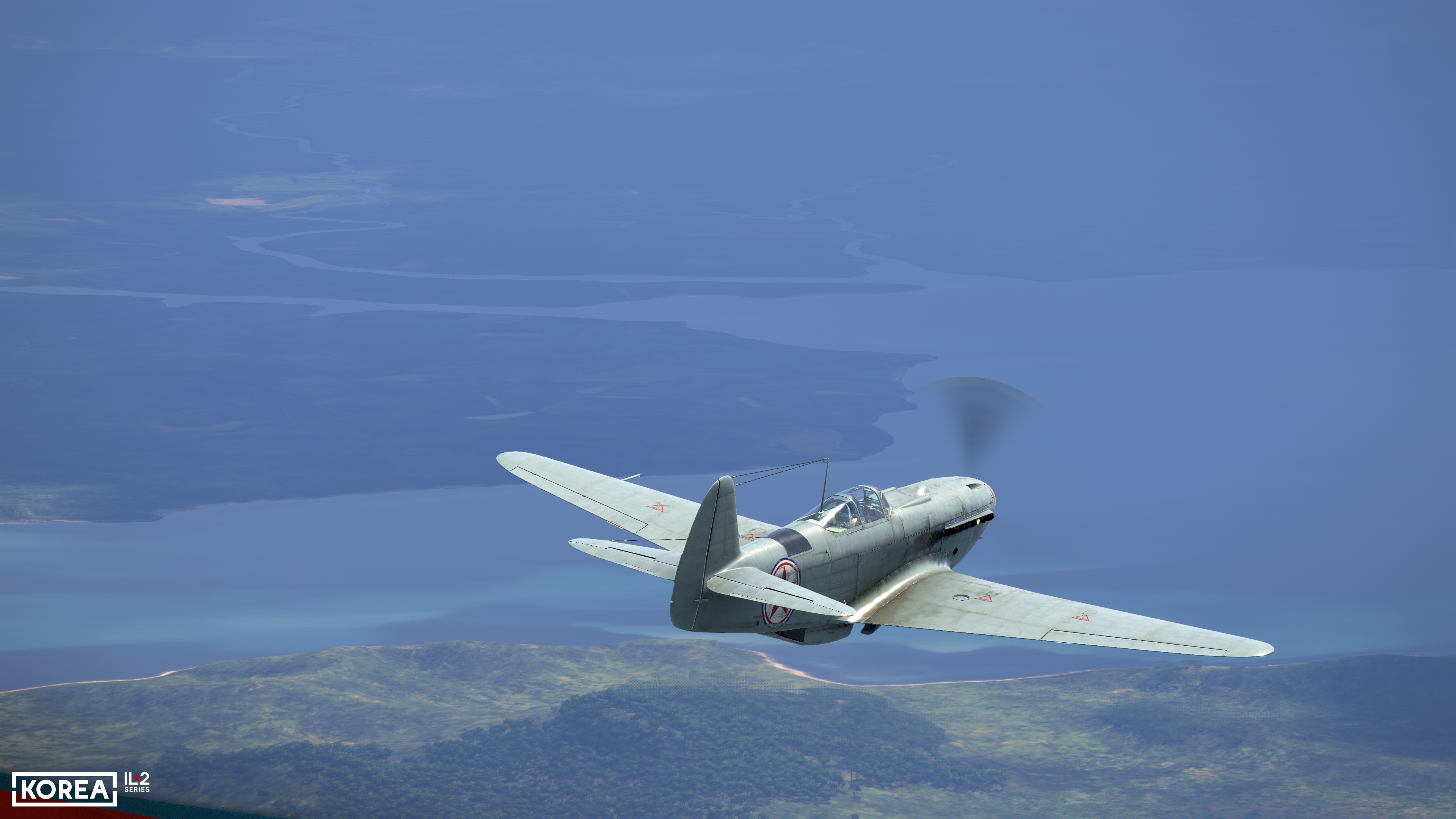
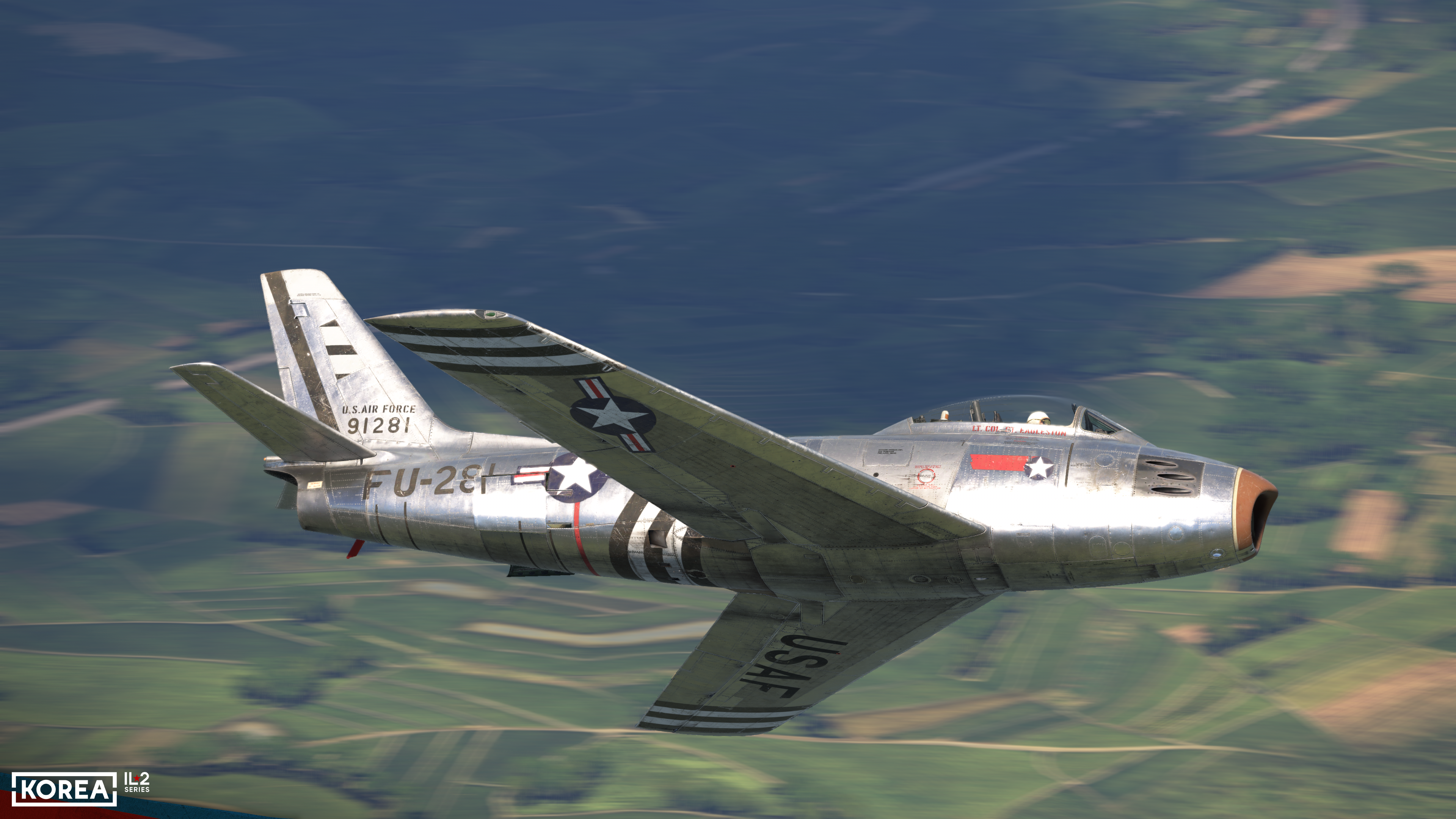
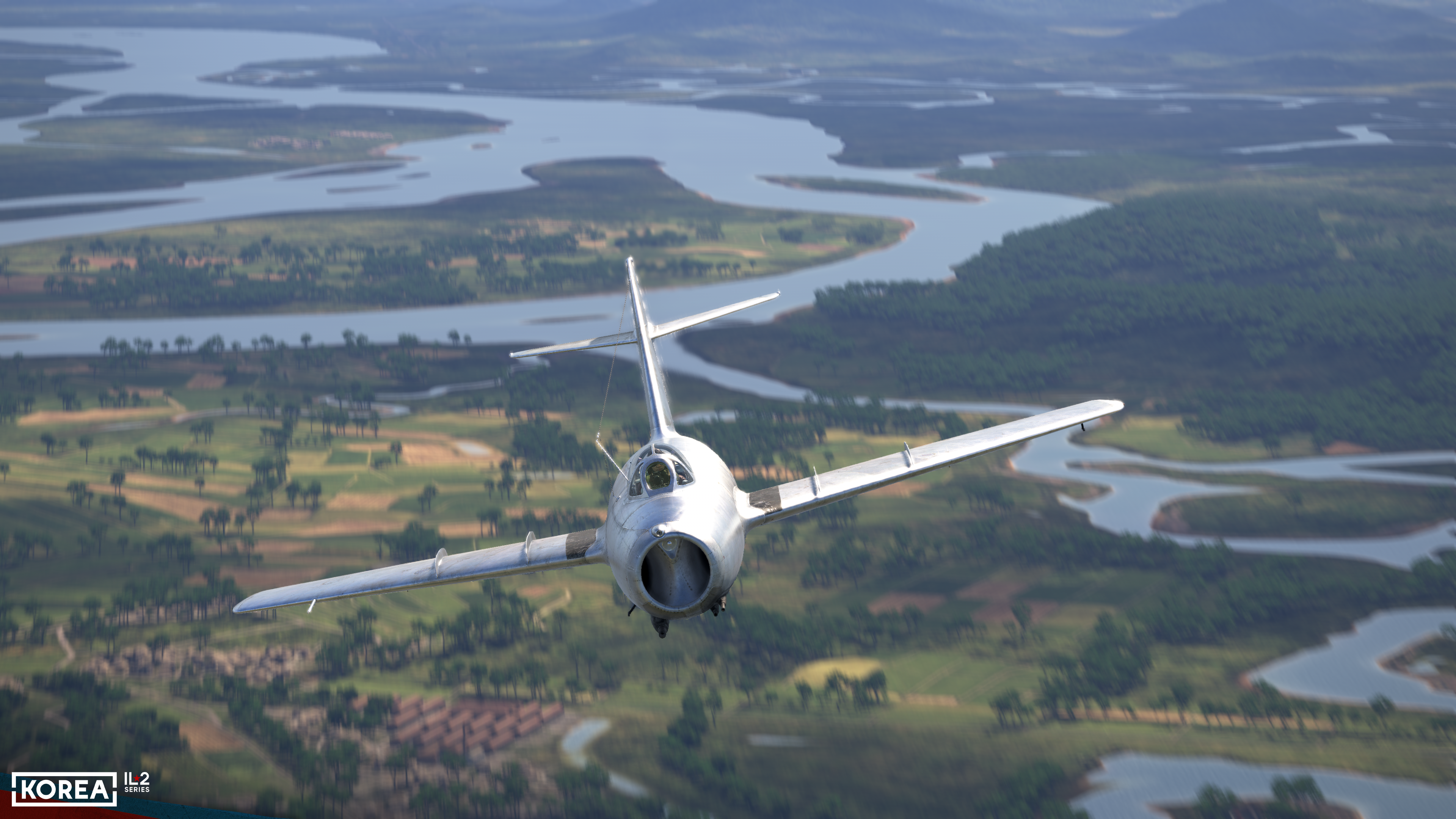
But reproducing on a screen exactly what the human eye sees presents many challenges in digital graphics. Our eyes simply don't perceive the world the same way a camera's image sensor does.
A camera sensor responds to light linearly, while human vision works somewhat differently. That's why gamma correction exists: to make the displayed image look closer to the way we're used to seeing the world.
We account for all these factors in our project: linear interpretation of data, adjustments for monitors, and the way people perceive the world around them.
And there are subtleties throughout this system, arising both from human perception and from the capabilities of the system itself and the hardware the game runs on.
The game already looks beautiful, reasonably realistic, and pleasing to the eye in its current version, as your positive feedback confirms. But there are issues: somewhat unnatural greenish tints, a slightly washed-out and not particularly expressive color palette, overly "nuclear" sunsets that shouldn't really look that way from altitude, and certain aspects of water rendering. Many of you have pointed these out as well.
In the next version, we're introducing changes to address these shortcomings. Here's a closer look at what's changing and how we've achieved it.
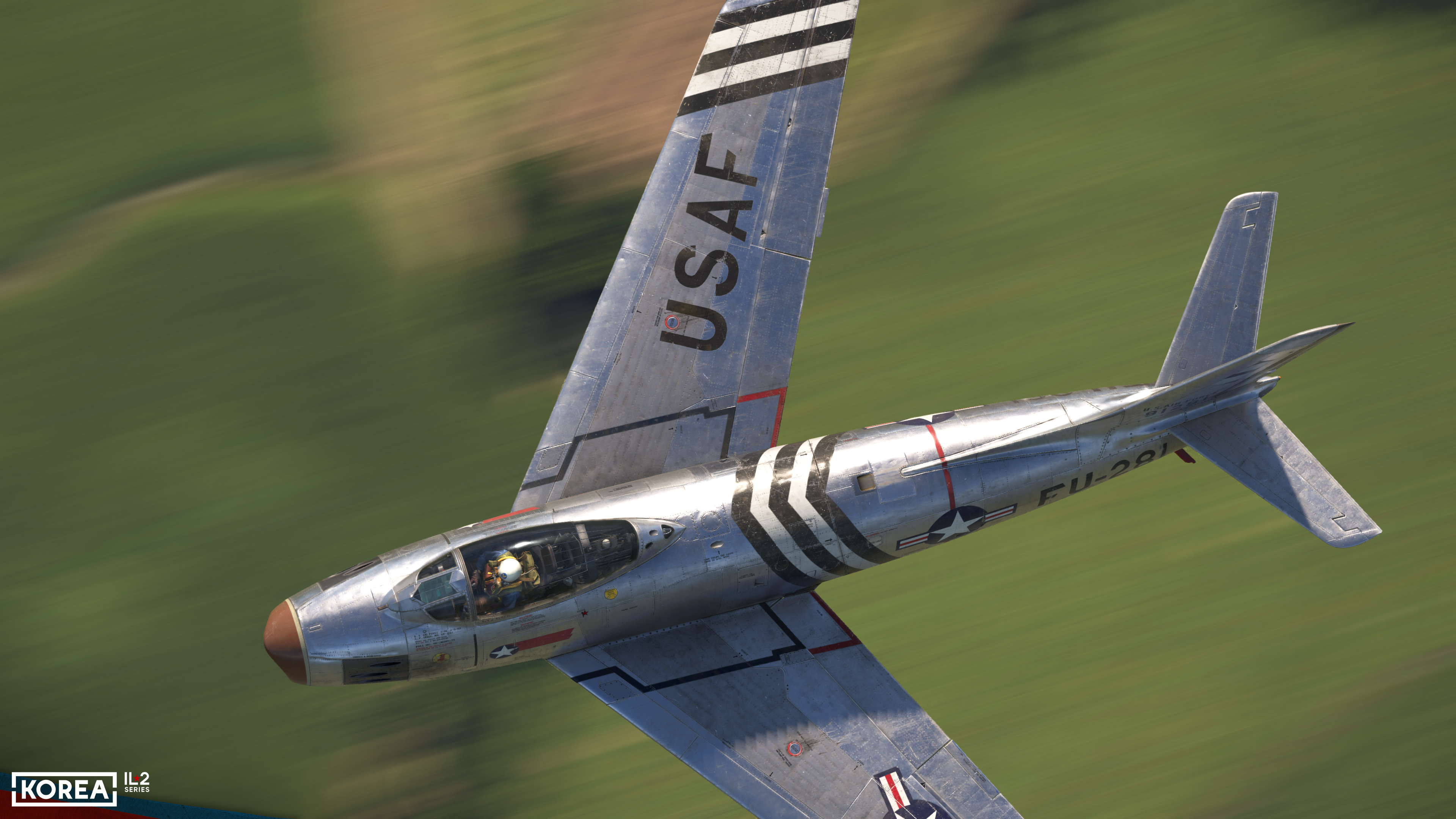
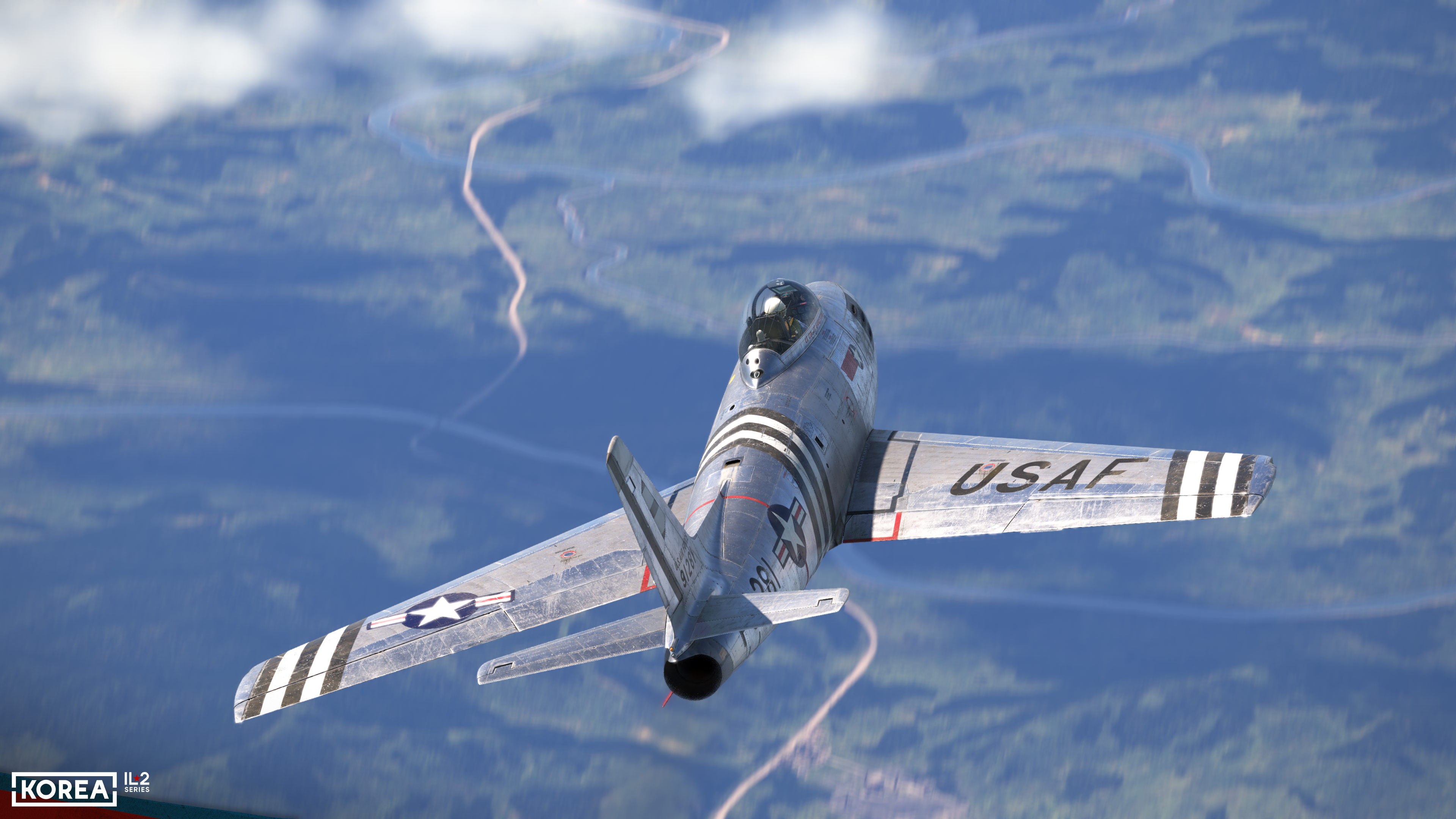
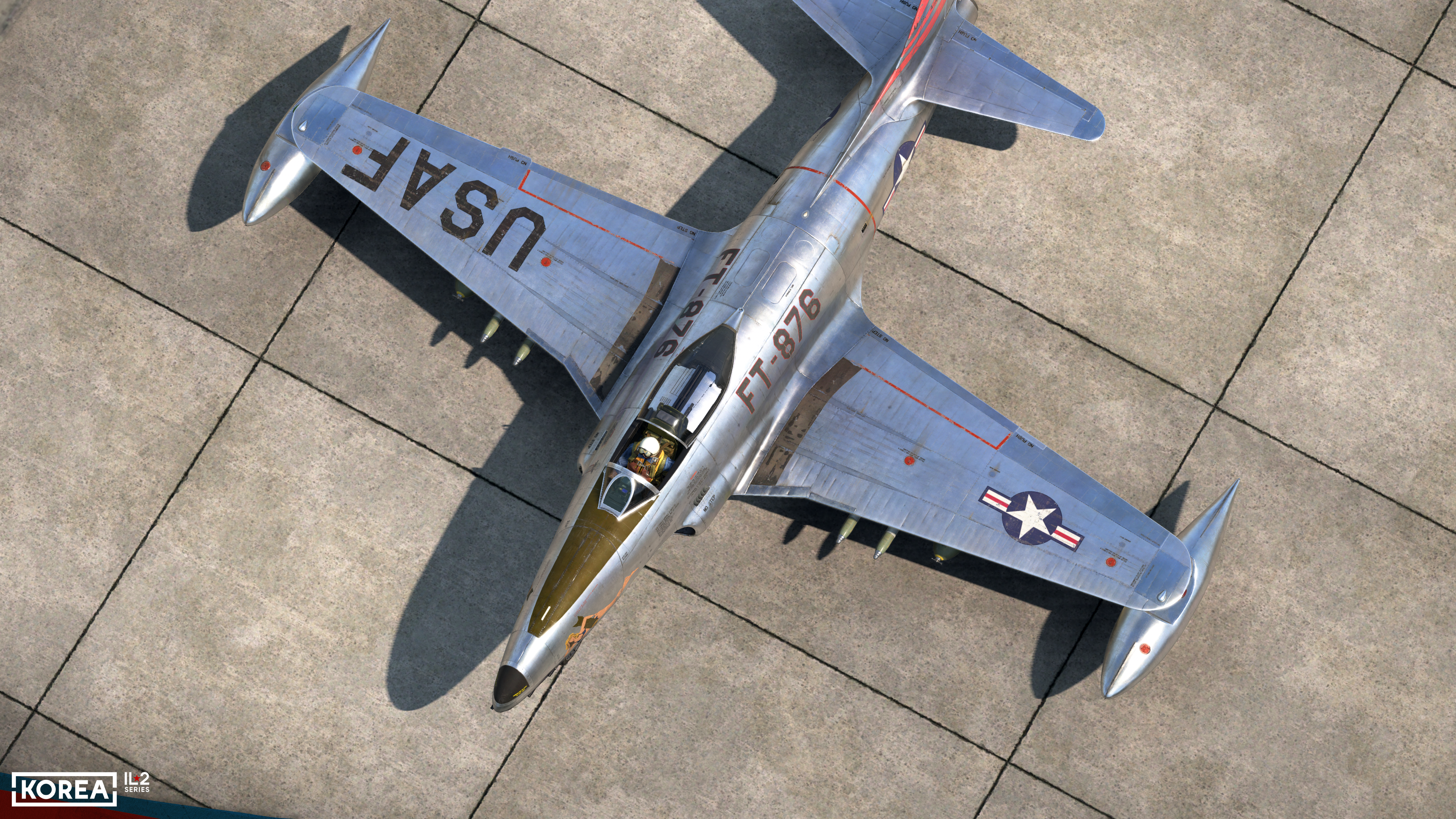
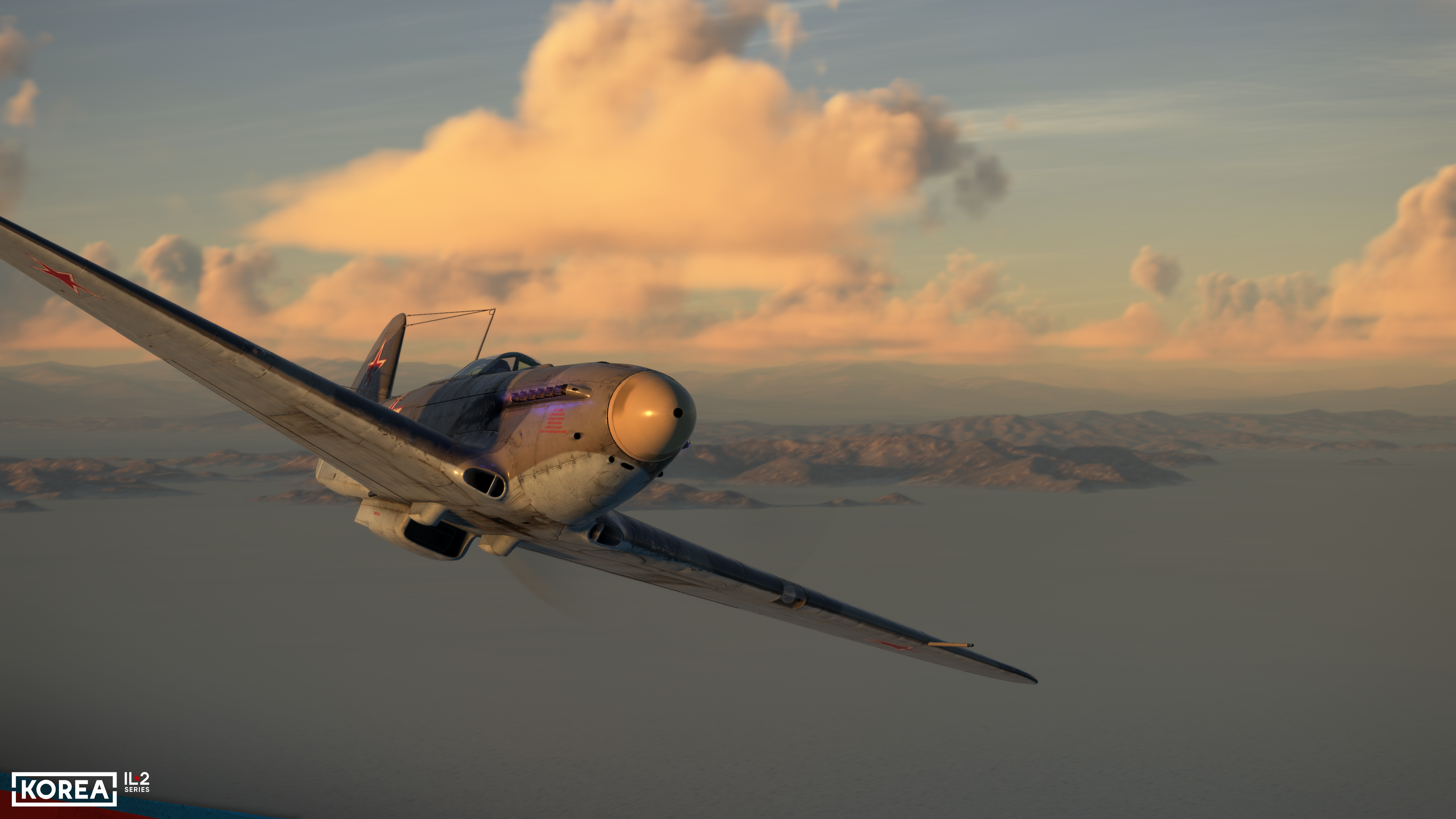
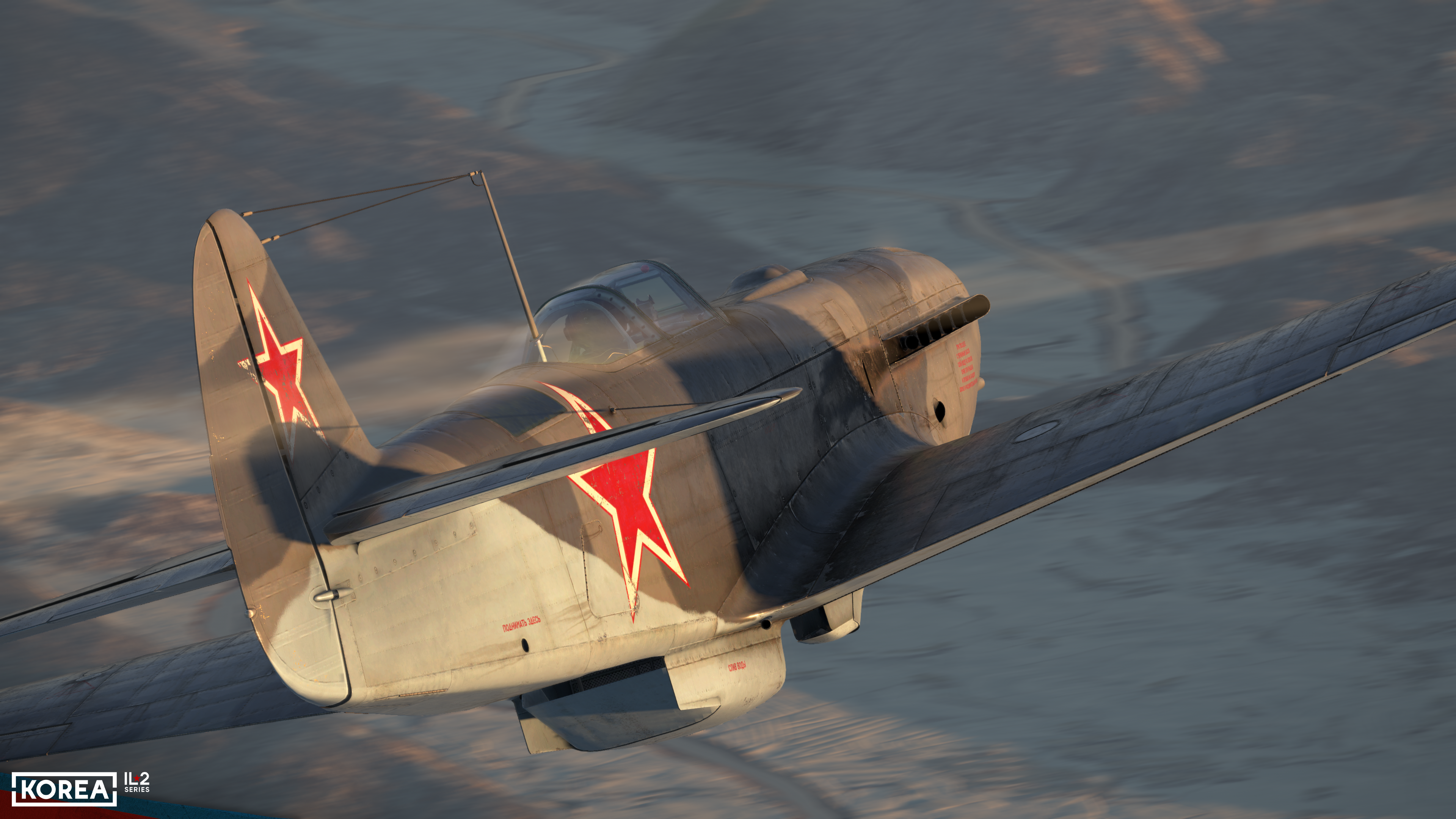
We began by revisiting the atmosphere parameters and lighting settings.
It's important to understand that all the elements of this system are closely interconnected: change one parameter, and you need to recheck and adjust the others.
On the one hand, this is a problem, because changes to fundamental aspects require a lot of retuning. On the other hand, when those changes are for the better, they can bring improvements to many different areas at once.
It's also worth remembering that in Korea, we've significantly reworked our entire approach to lighting and the atmosphere. The potential of these new technologies only becomes fully apparent over time, as we add new features, objects, and other elements to the game world.
The changes made possible by these technologies have allowed us to dramatically transform the game's visuals.
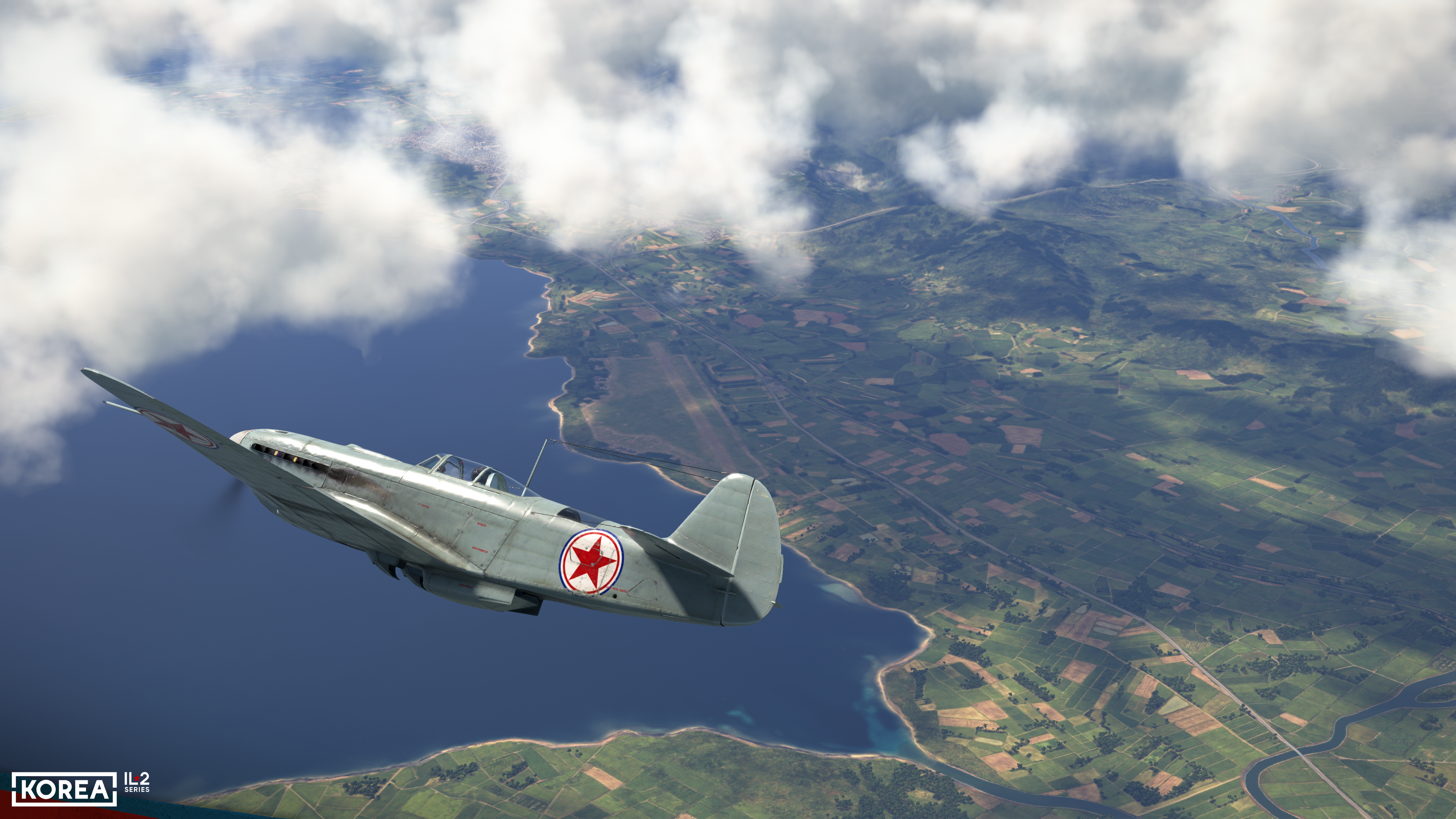
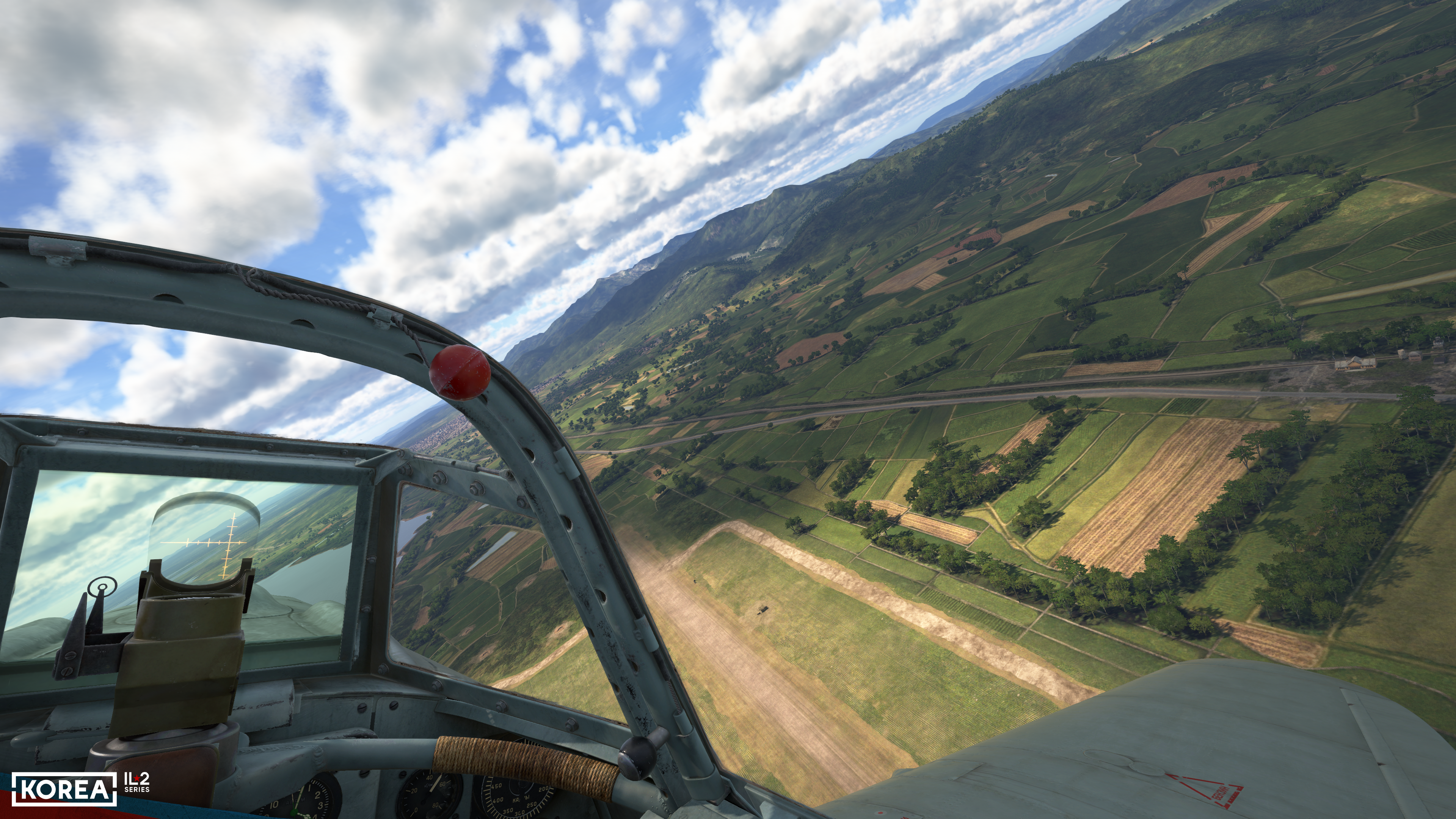
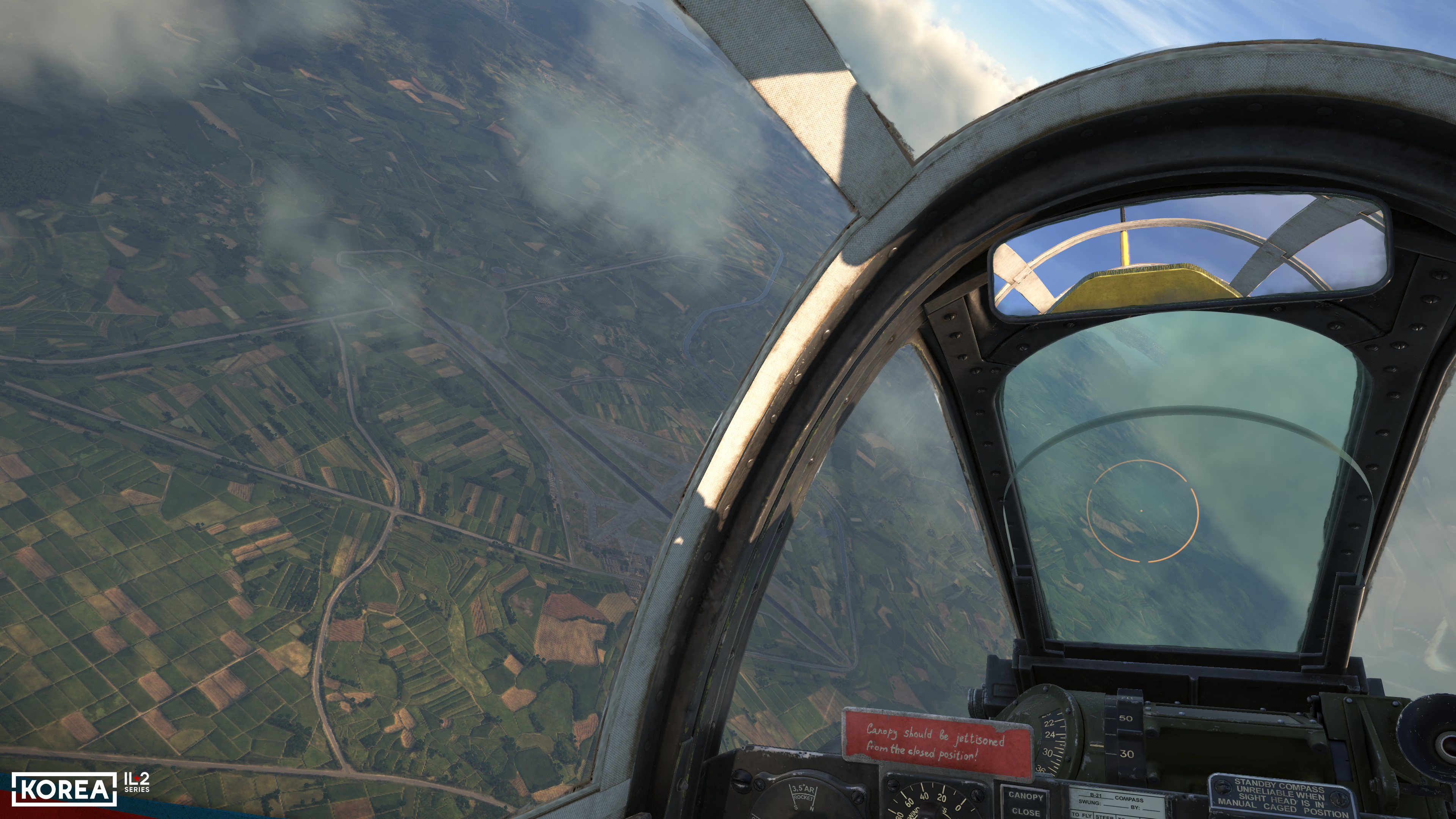
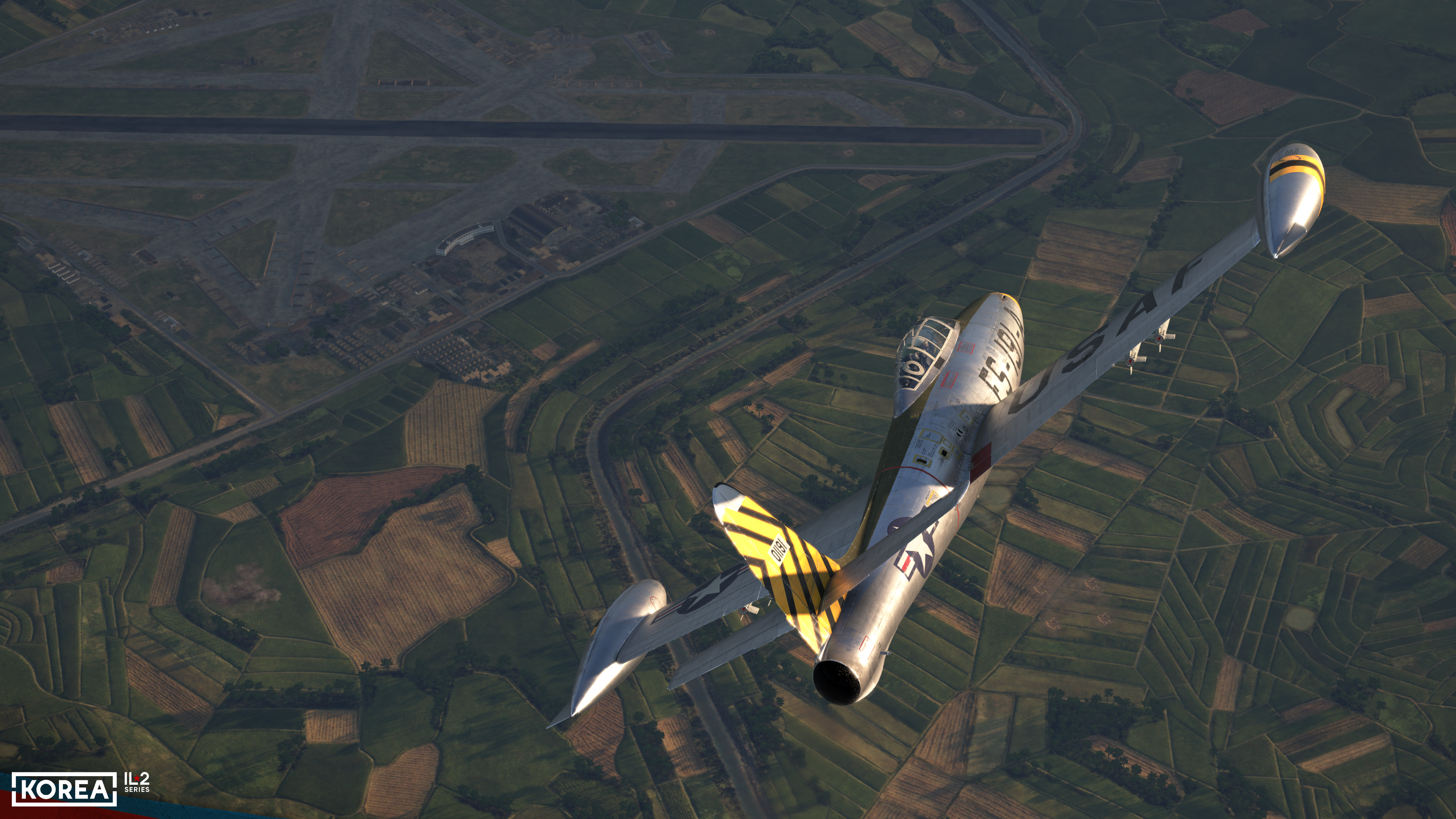
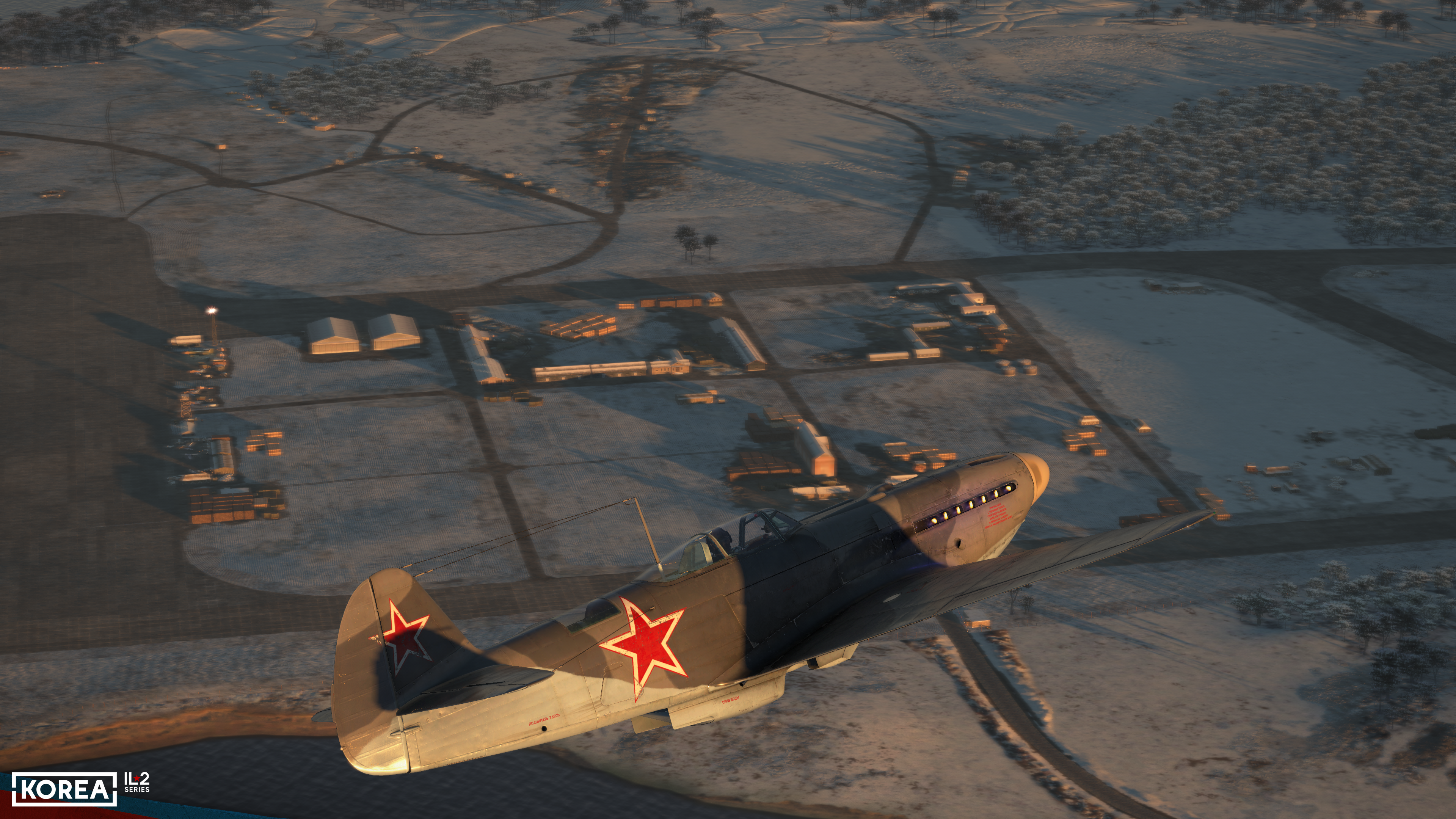
The first step was adjusting the gamma values used by the environment rendering system.
We're not talking about the overall gamma setting you can see and adjust in the options menu, but more complex gamma values and calculations used specifically for the atmosphere and in-game lighting.
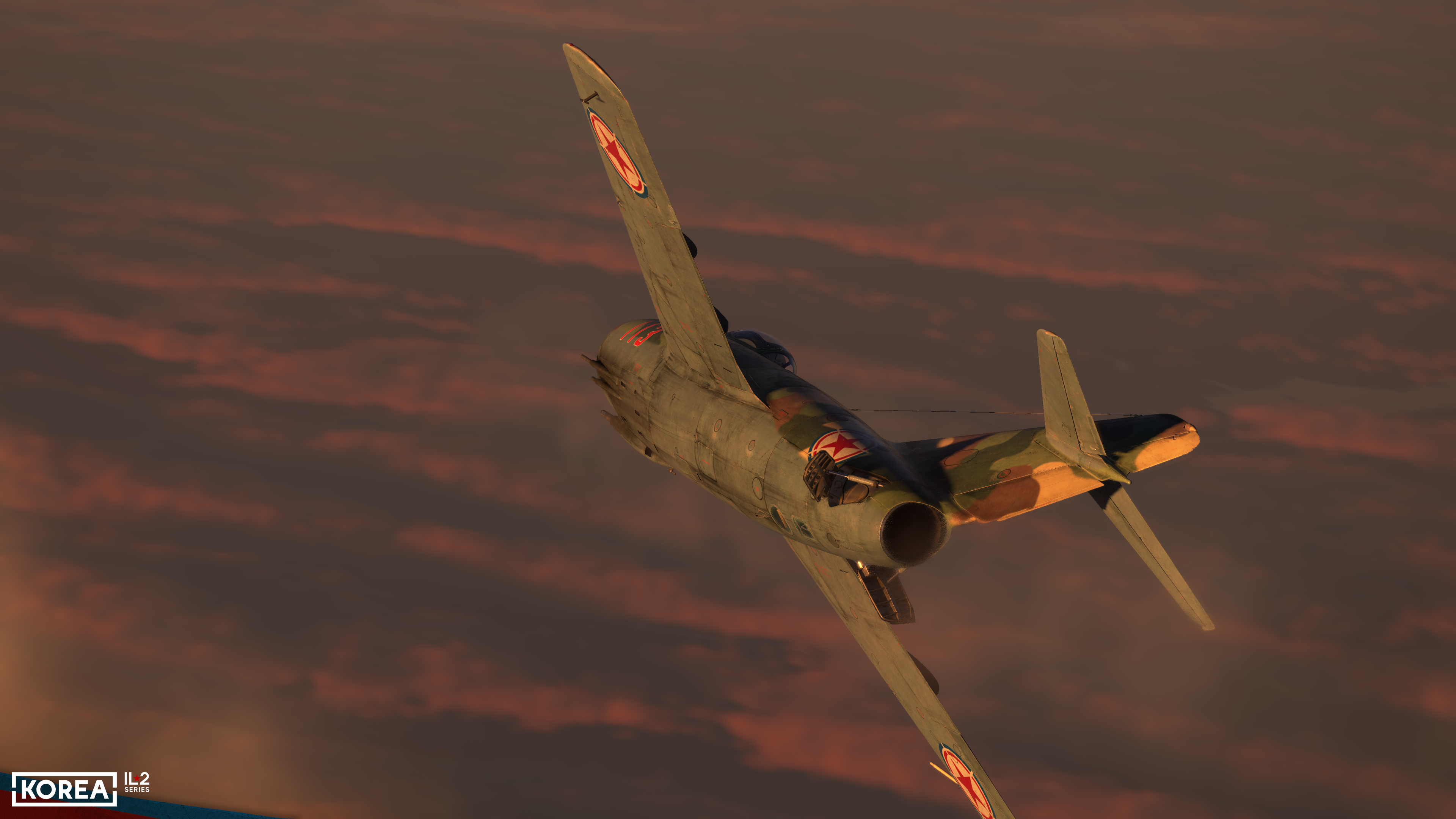
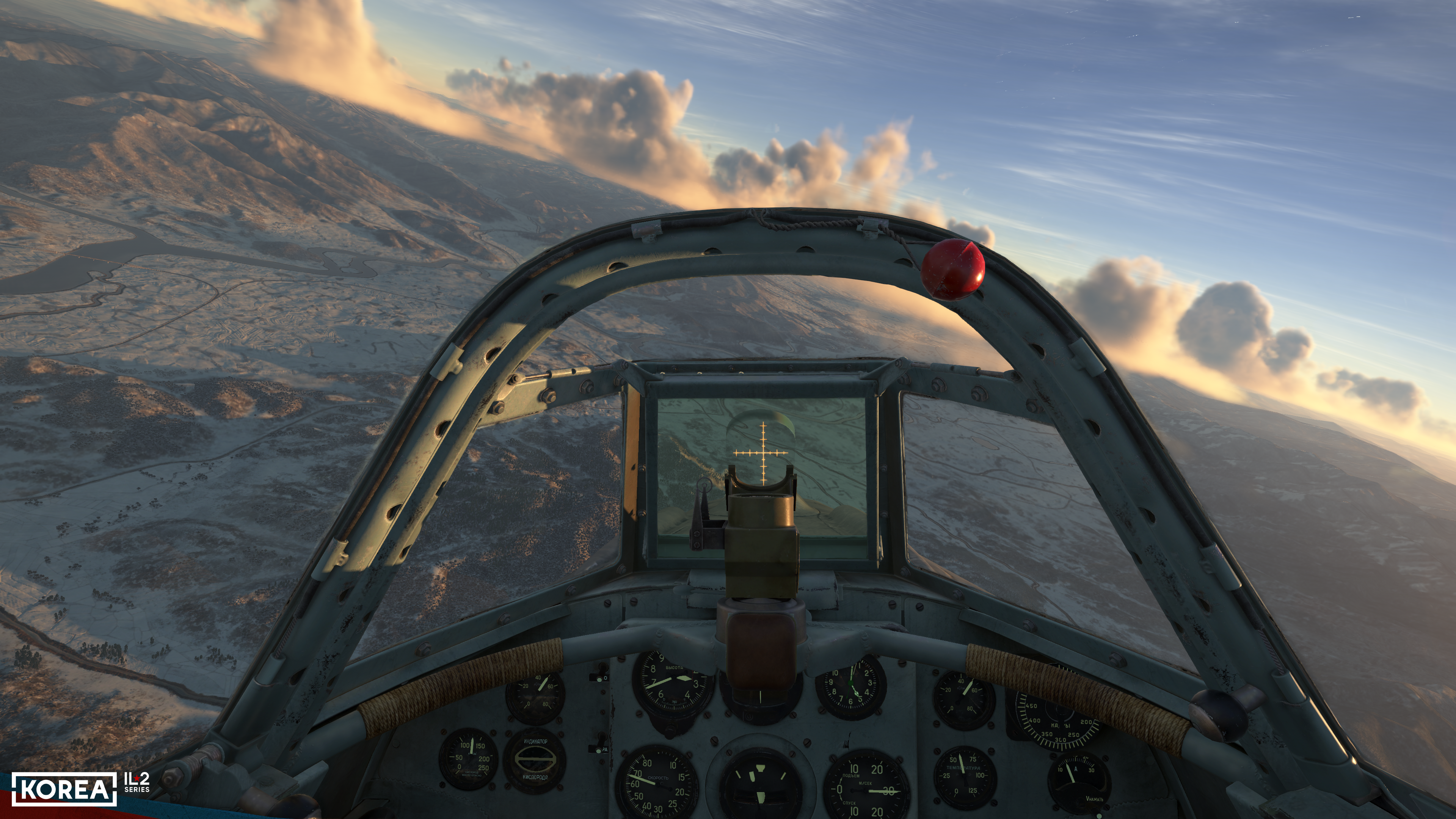
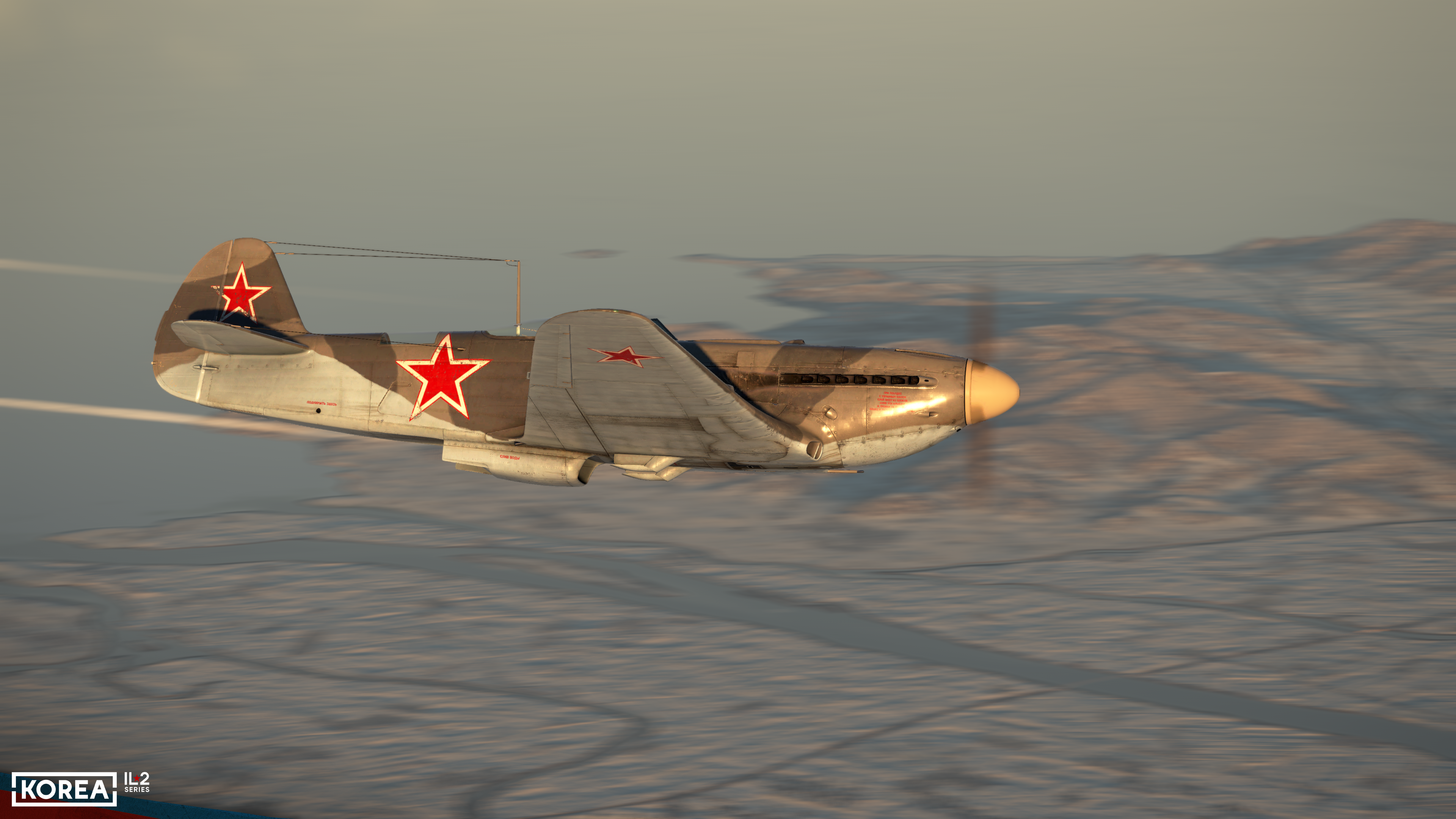
As a result, the image no longer looks washed out. There's now significantly more contrast, visual depth, and aerial perspective. Beyond making the overall picture more striking and expressive, this strengthens the sense of scale and of the space between aircraft. You'll get a better feel for altitude, the air around you, and flight itself.
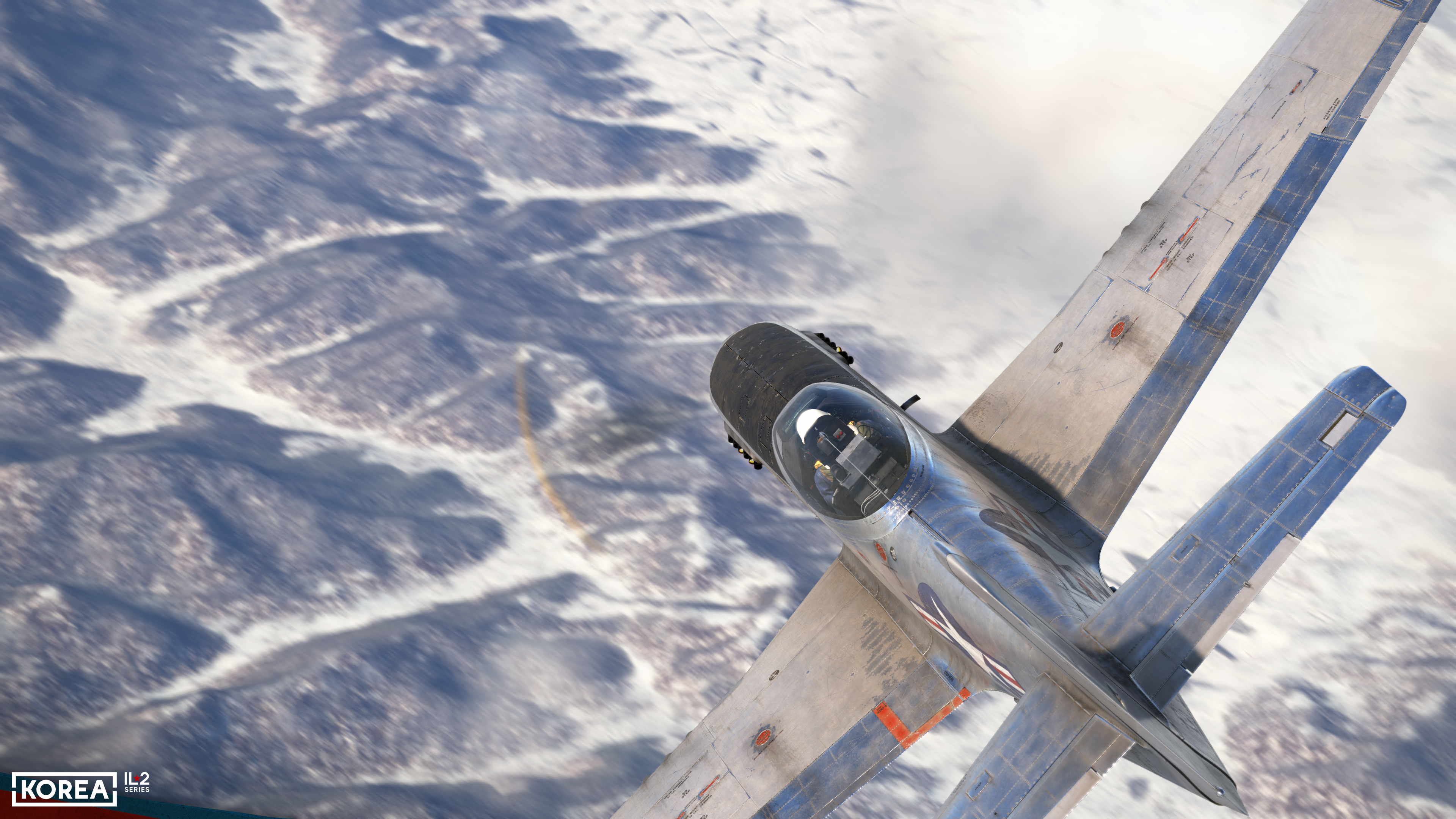
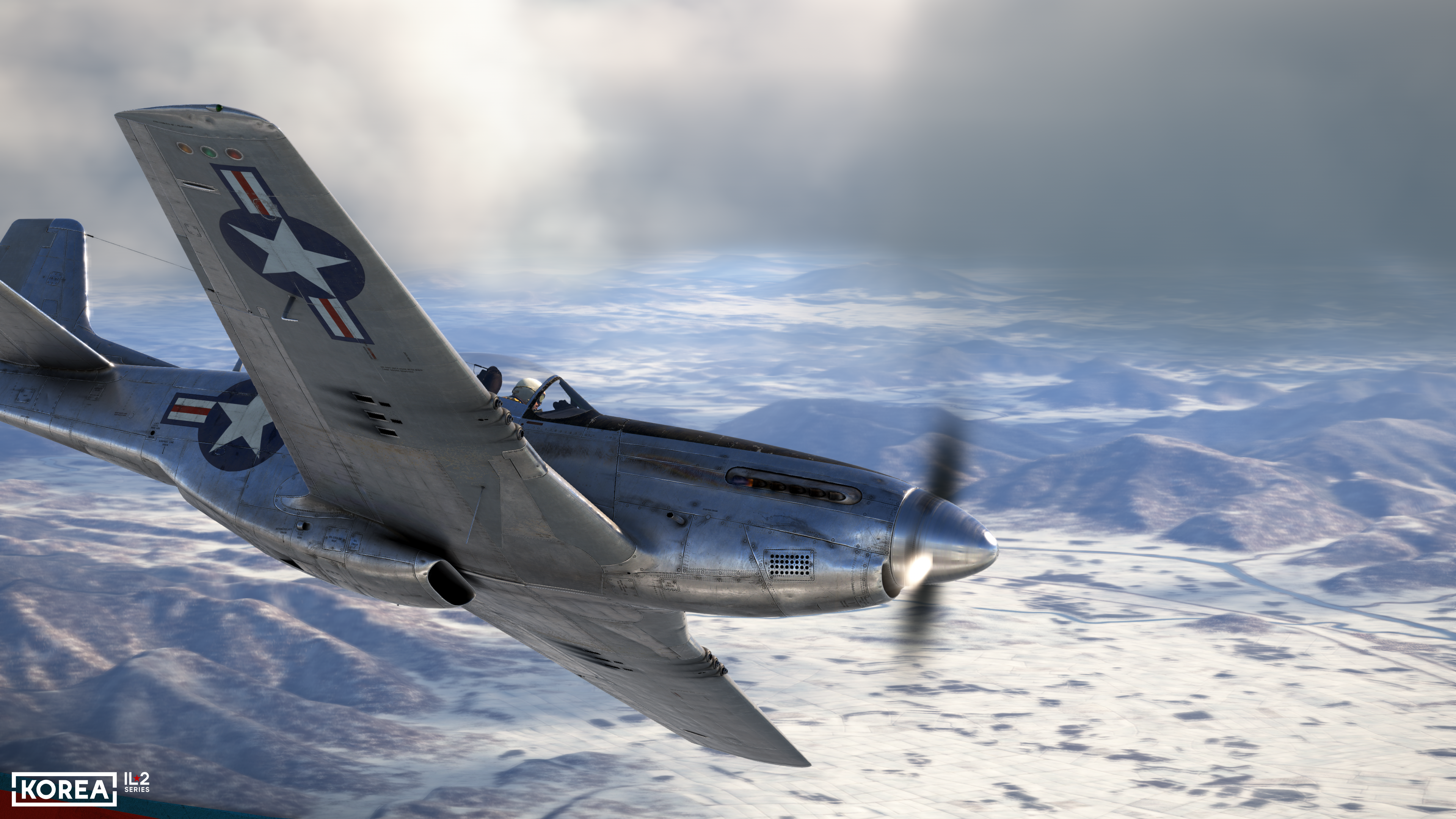
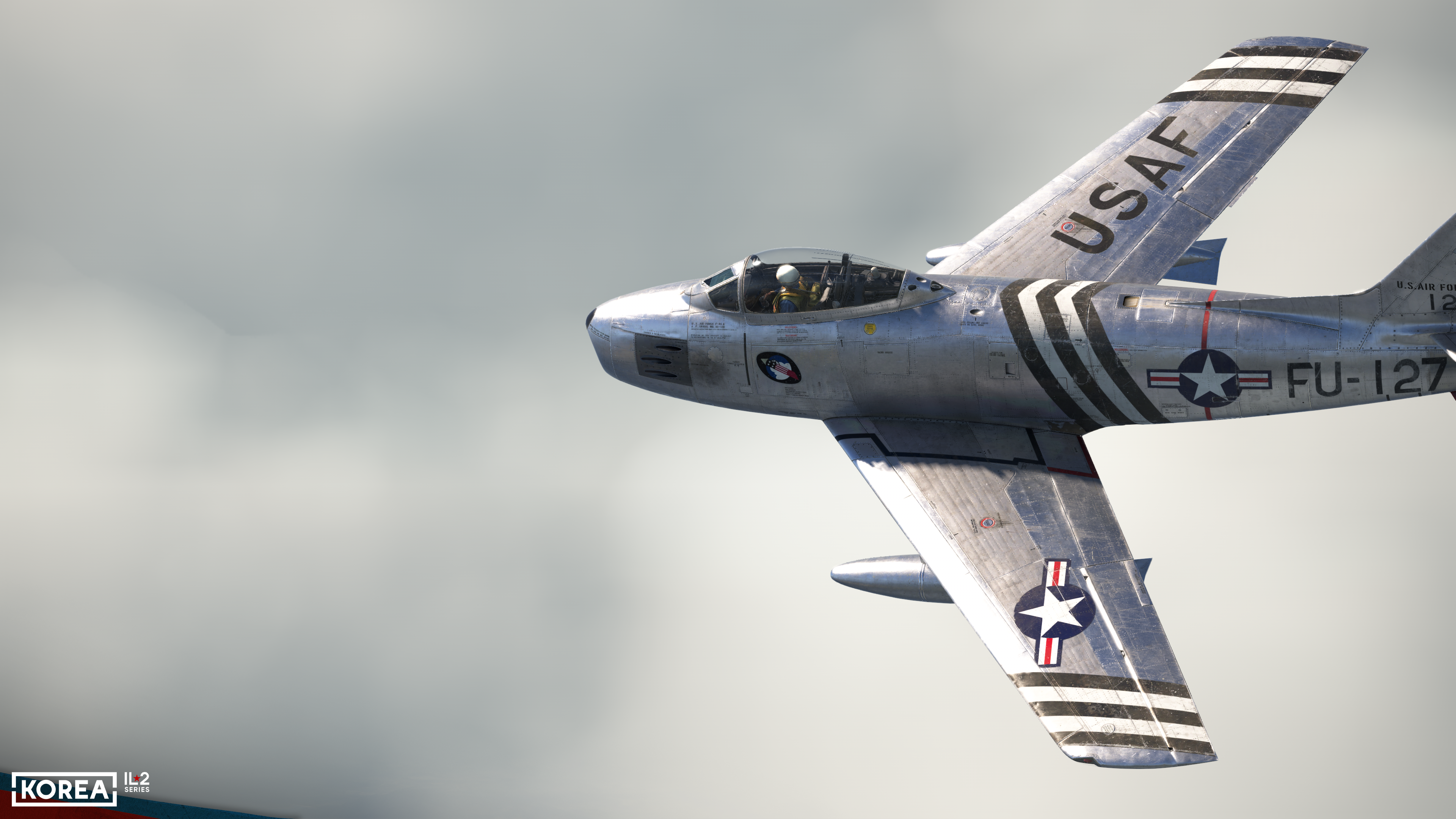
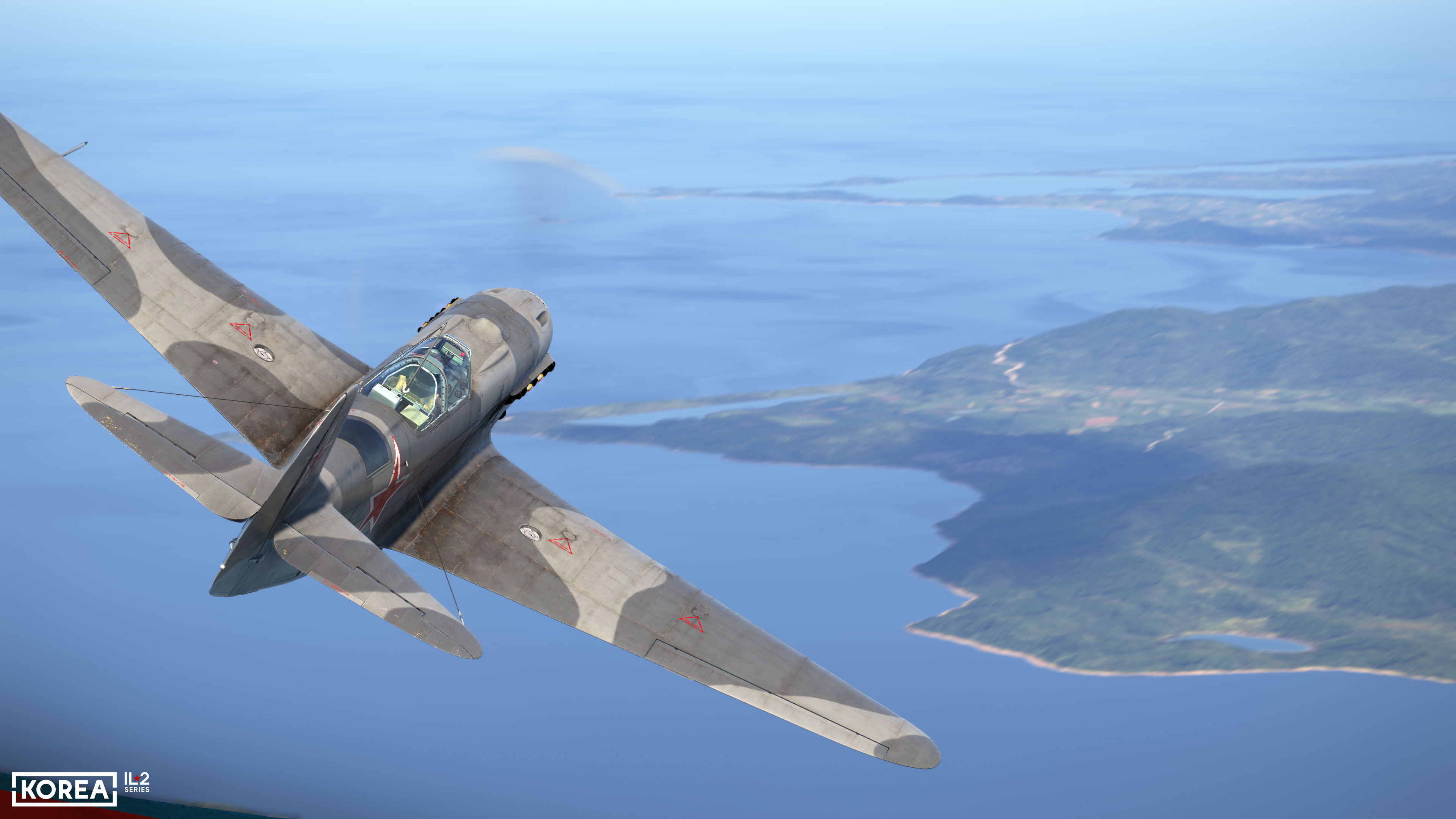
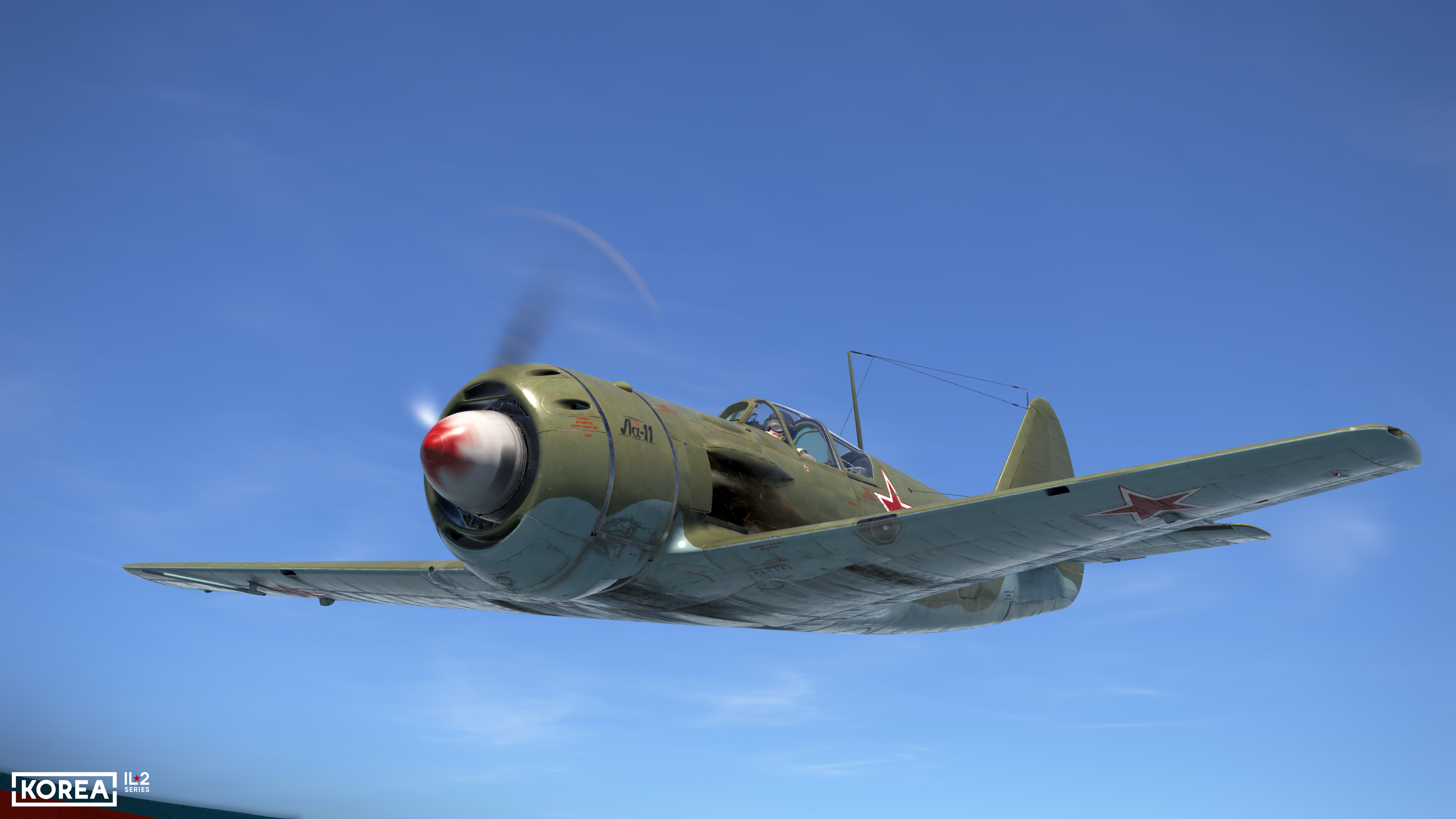
These gamma changes also gave us much more flexibility to revisit the lighting settings.
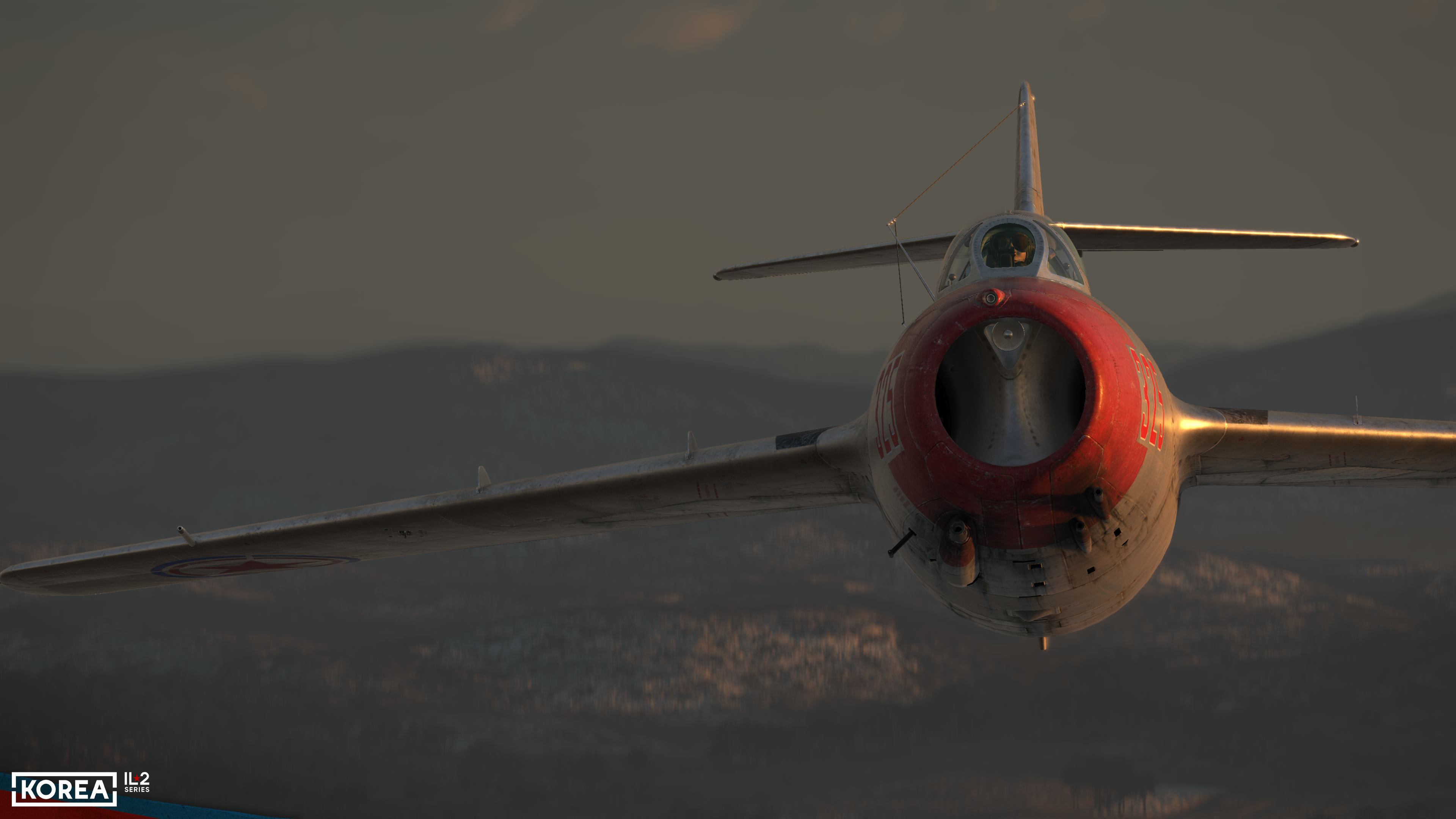
With far more subtle tonal gradations now visible on screen, we've adjusted the lighting contrast. Previously, we had to push contrast too far to give the image enough impact. Now we can expand the lighting range without losing that impact. This brings out far more detail in the shadows and makes highlights on objects richer, more nuanced, and more realistic.
This has also made dynamic light sources more noticeable. For example, impact flashes on aircraft are now much more visible. Previously, the available lighting range didn't allow us to make them stand out as much.
The wider lighting range also gave us a chance to take another look at reflections on water and fine-tune them further. When viewed from altitude, the glare now appears broader, while rivers and other bodies of water stand out more clearly against the land.
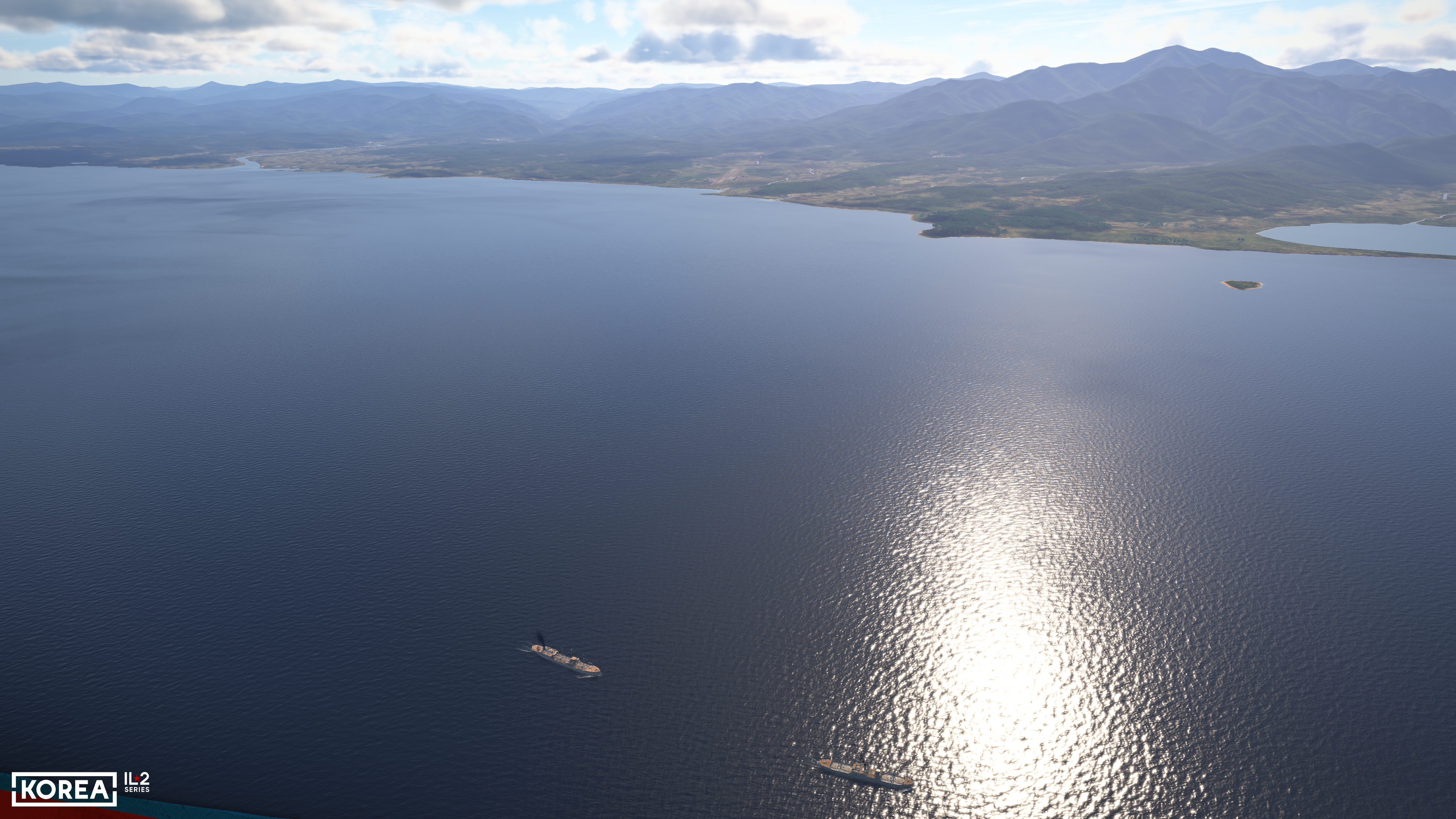
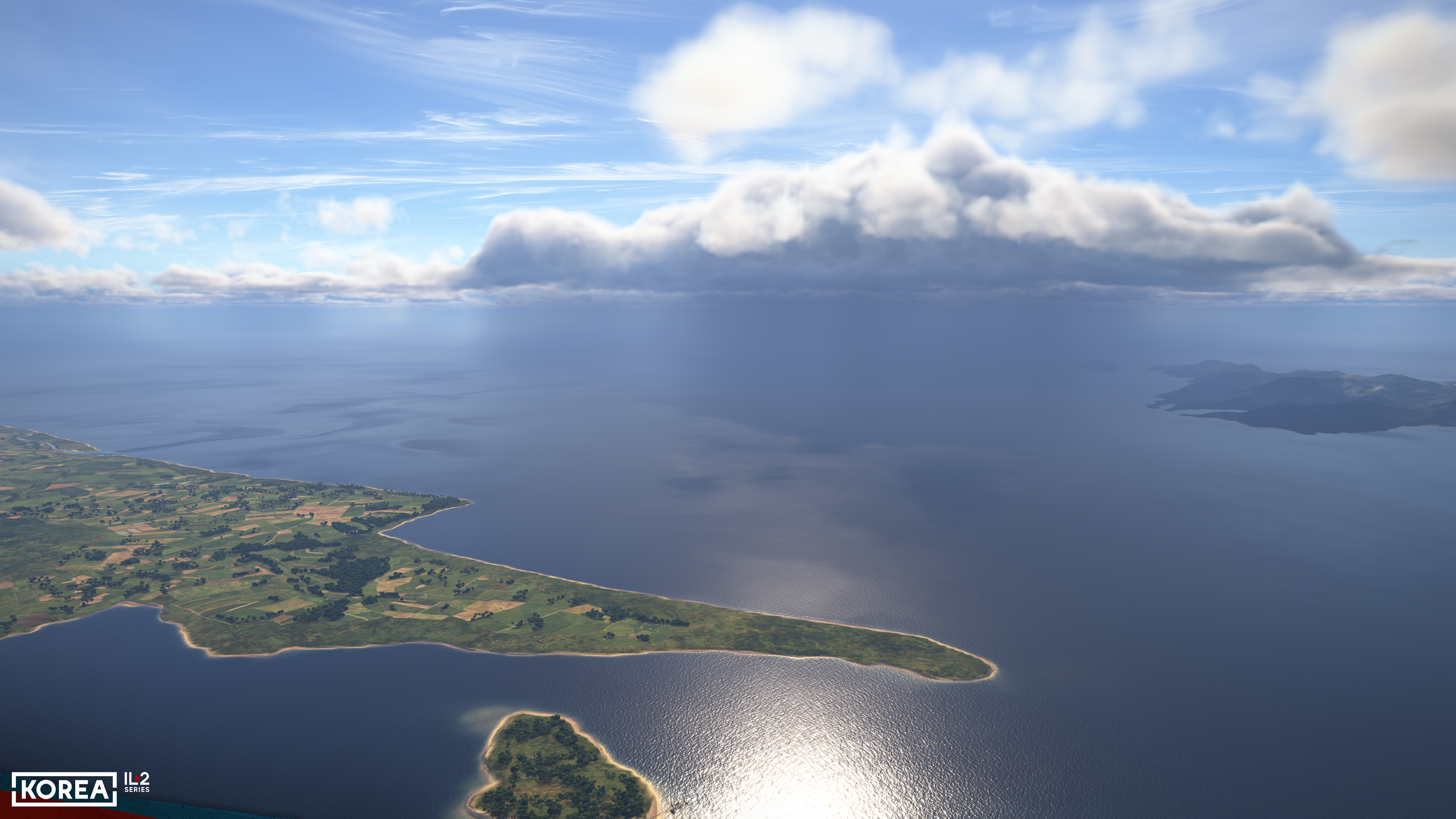
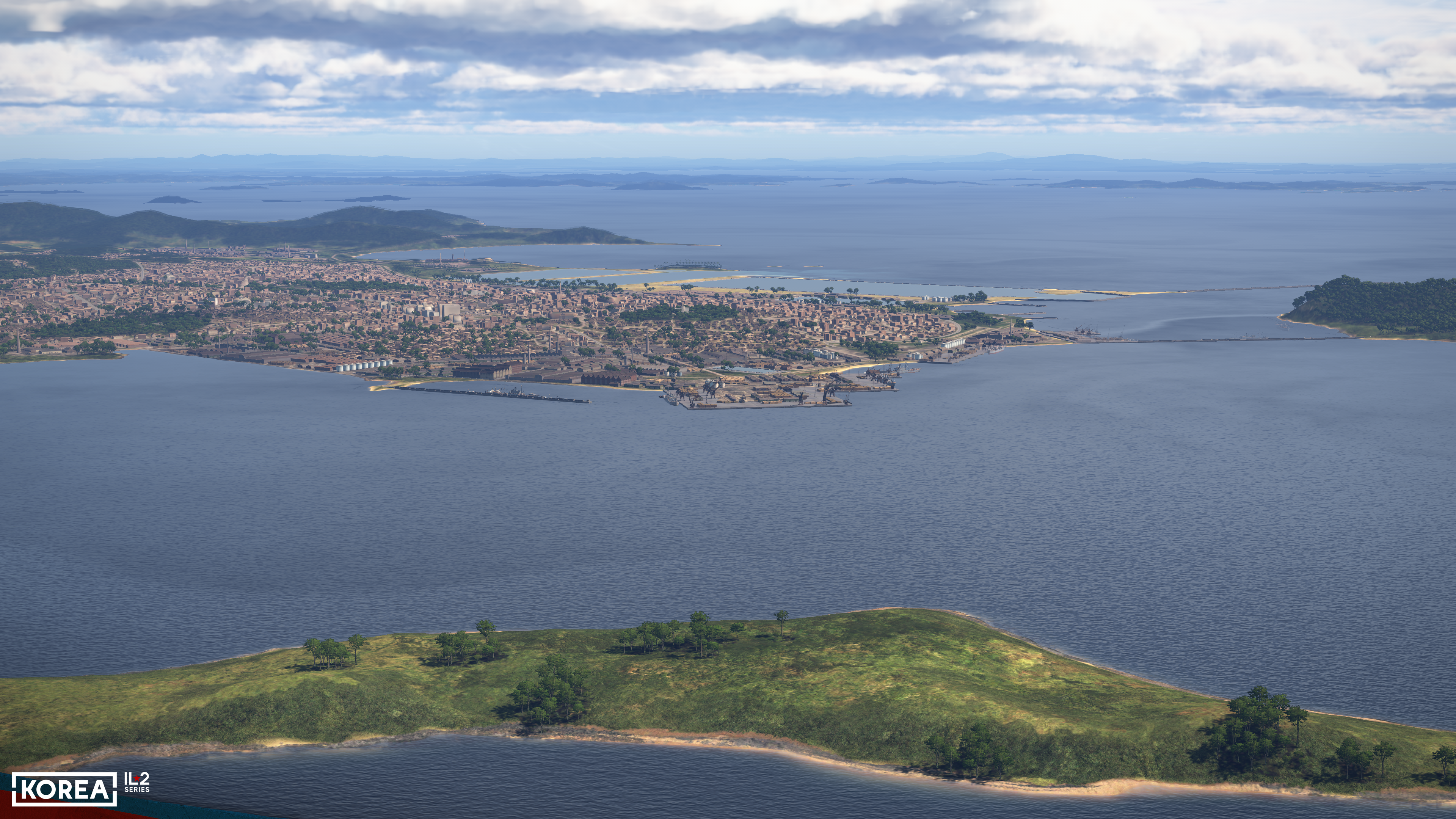
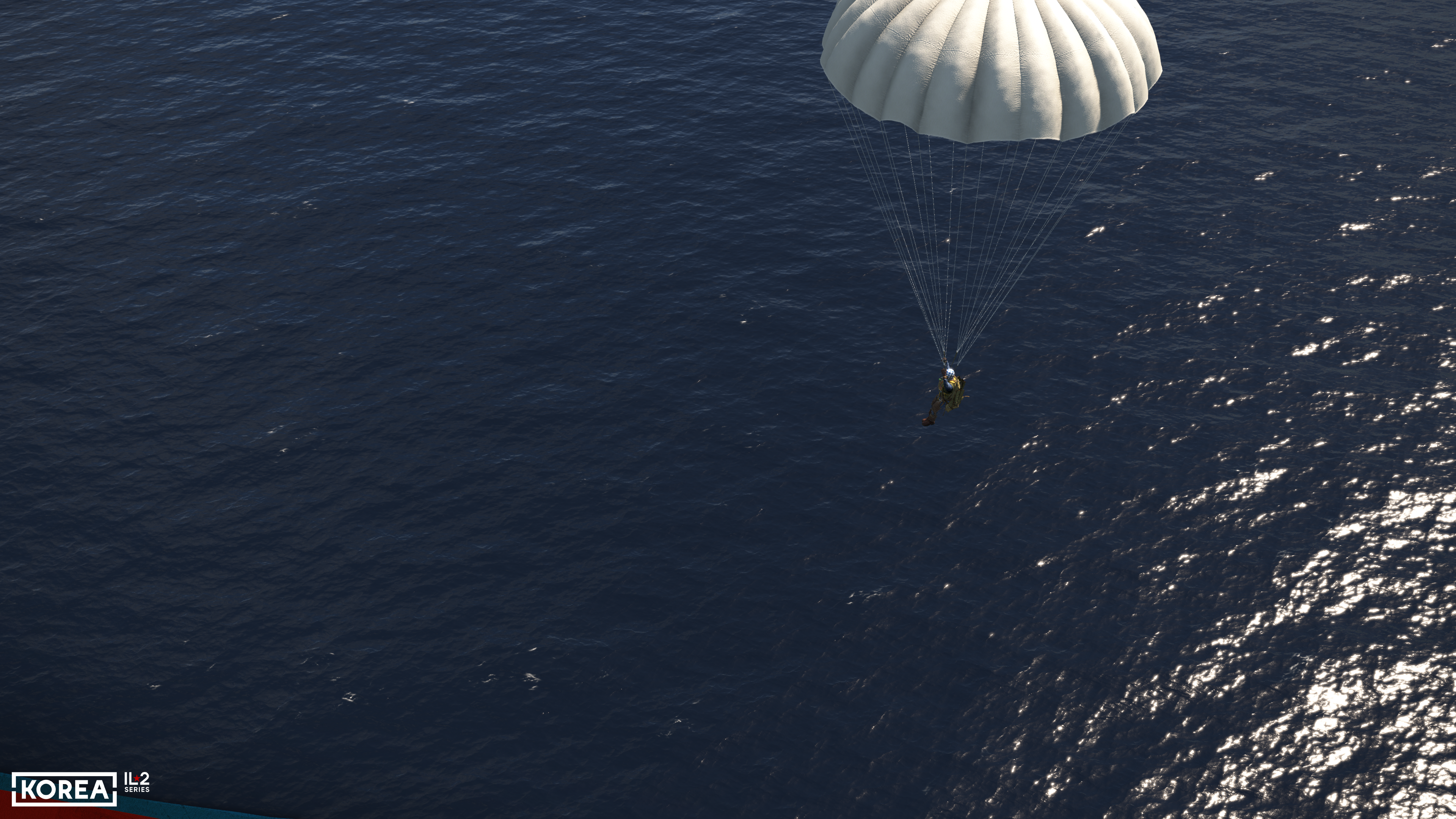
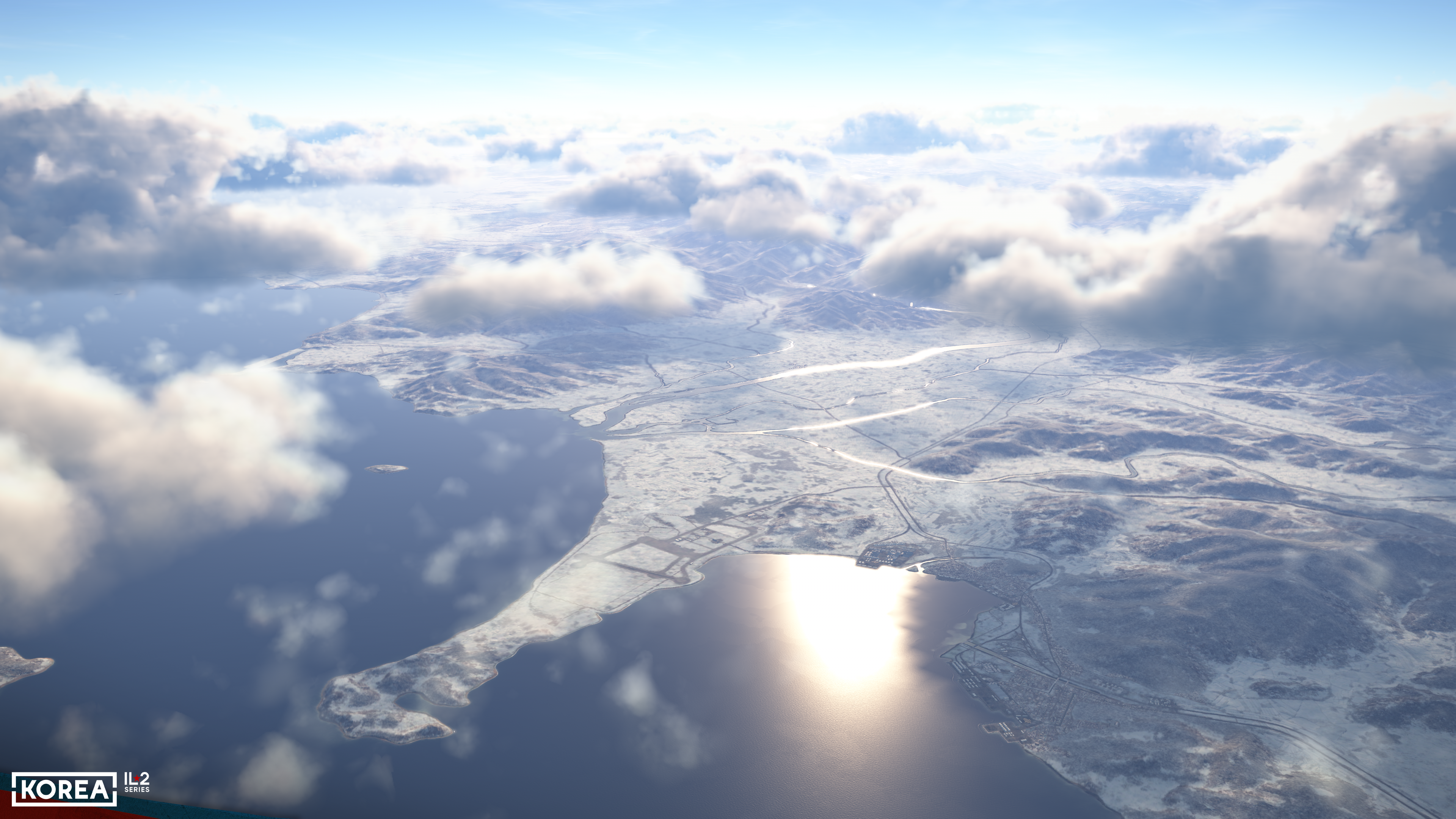
All these changes also made it possible to adjust the colors.
In the past, the limitations of our gamma settings meant we had to adjust lighting colors to make the difference between warm and cool lighting clearly visible. Although this produced a believable image, it also introduced some greenish and not entirely realistic tones.
Now that the wider range of colors and tones lets us convey warm and cool lighting without some of those workarounds, we've brought color values as close to natural ones as possible. The image will now look a little more subdued and cooler, and much closer to what the human eye actually sees.
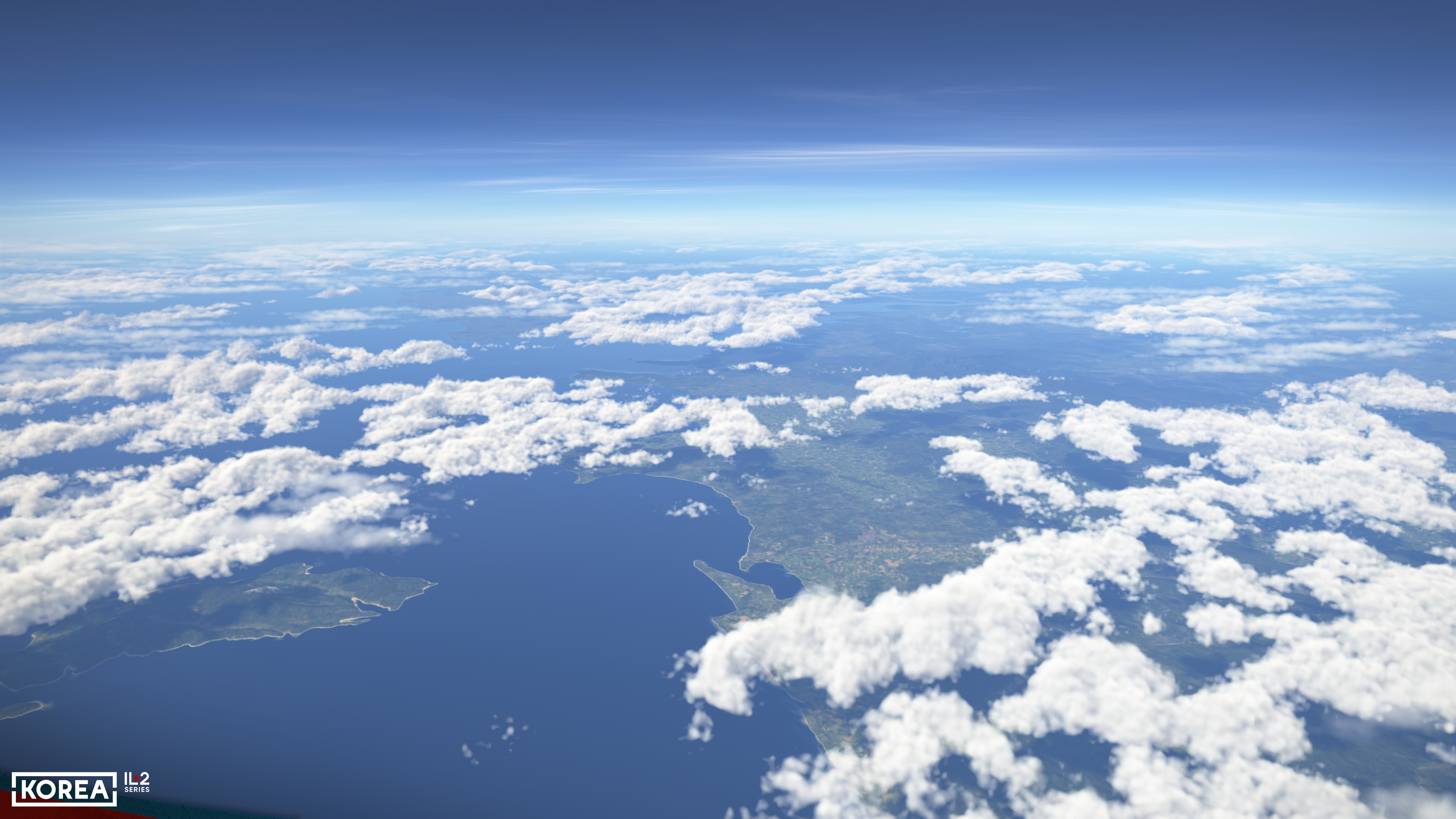
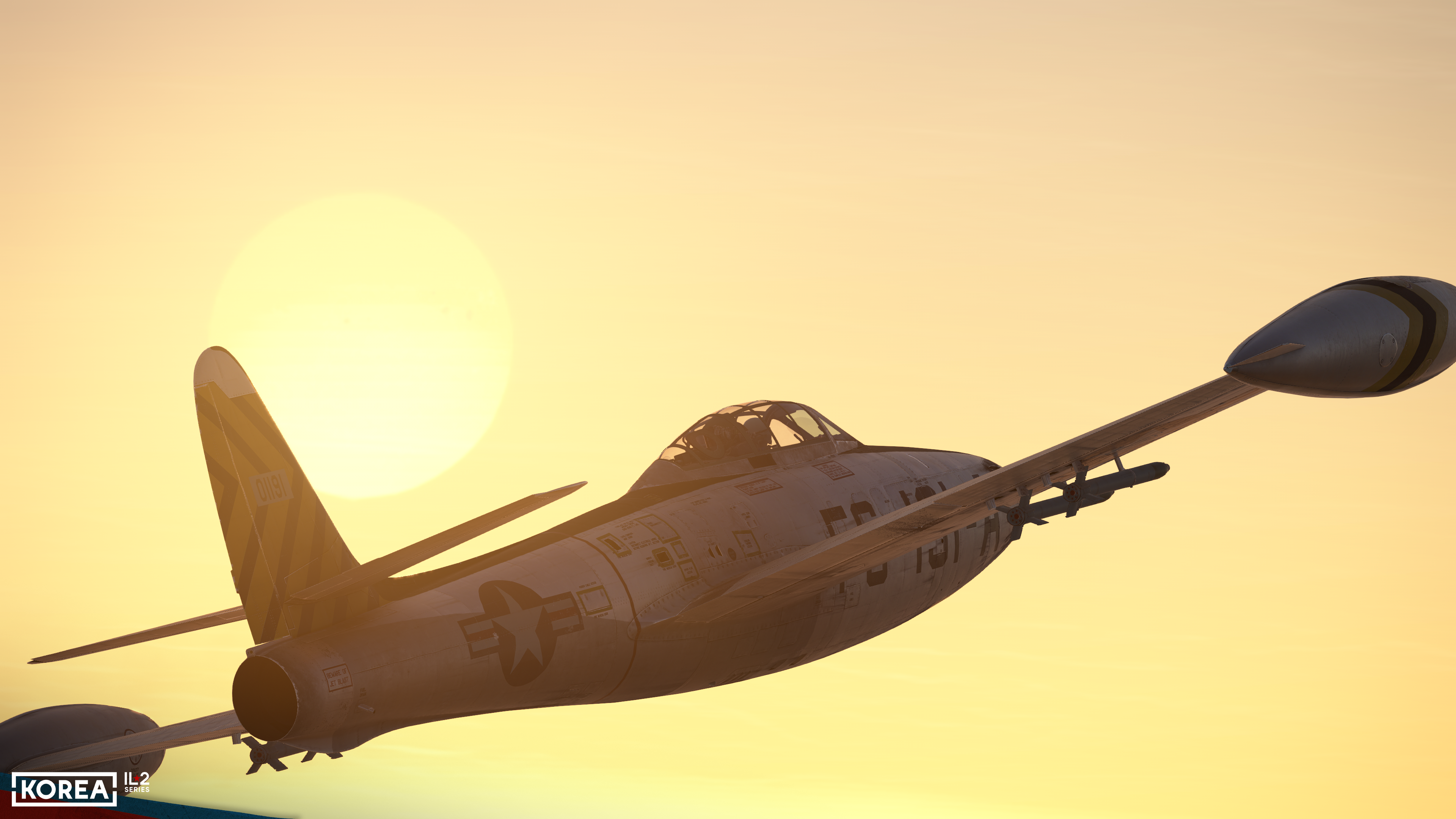
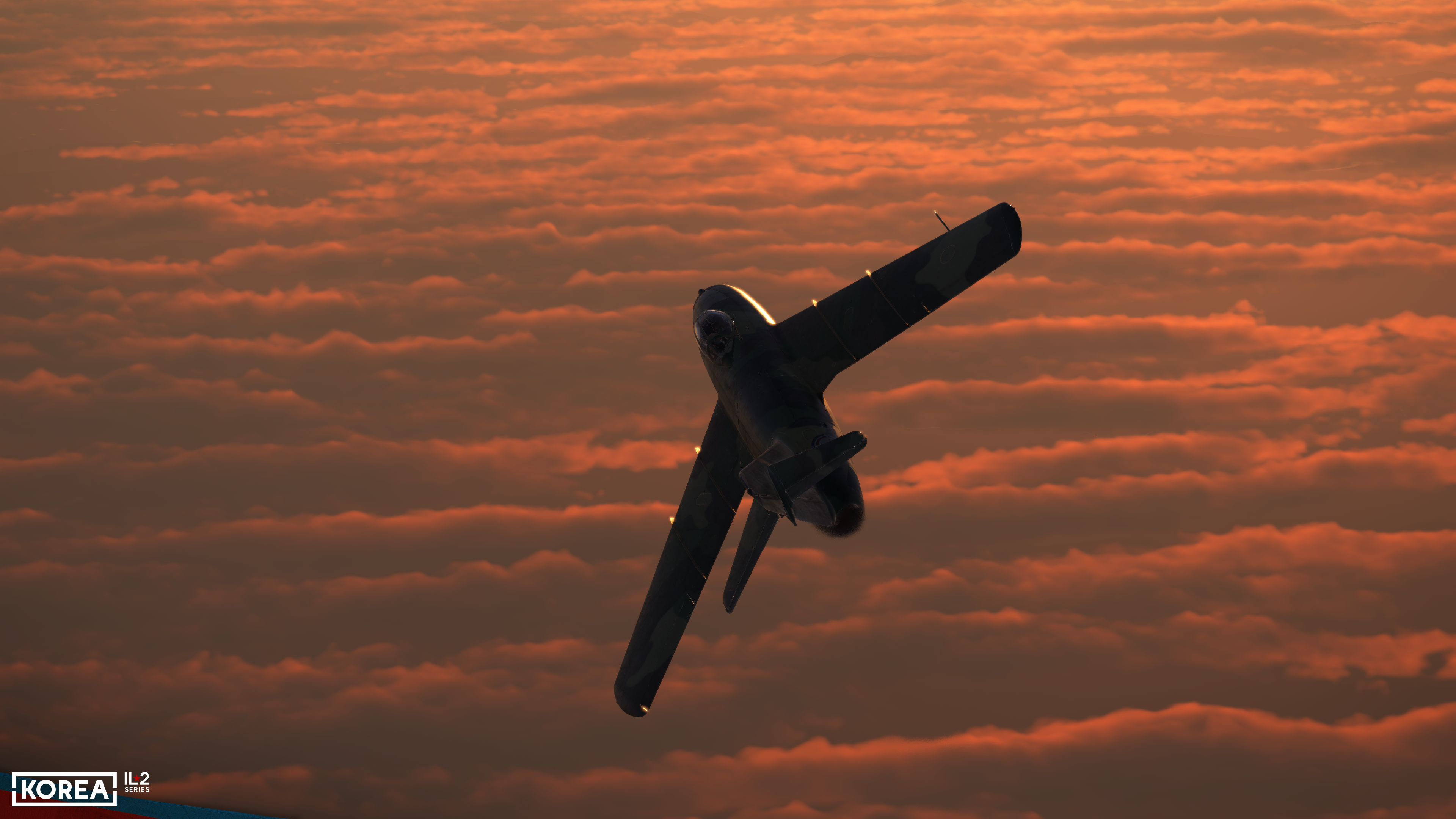
This also allowed us to fine-tune the atmosphere more accurately. As a result, the problem of "nuclear sunsets" has disappeared at certain altitudes.
Now you can finally see the Sun sink below the horizon and rise above it.
You can still see the glare, but only when you descend closer to the ground, where atmospheric haze becomes denser. Essentially, the same effect can be seen in any image where the exposure is set to show something besides the Sun itself.
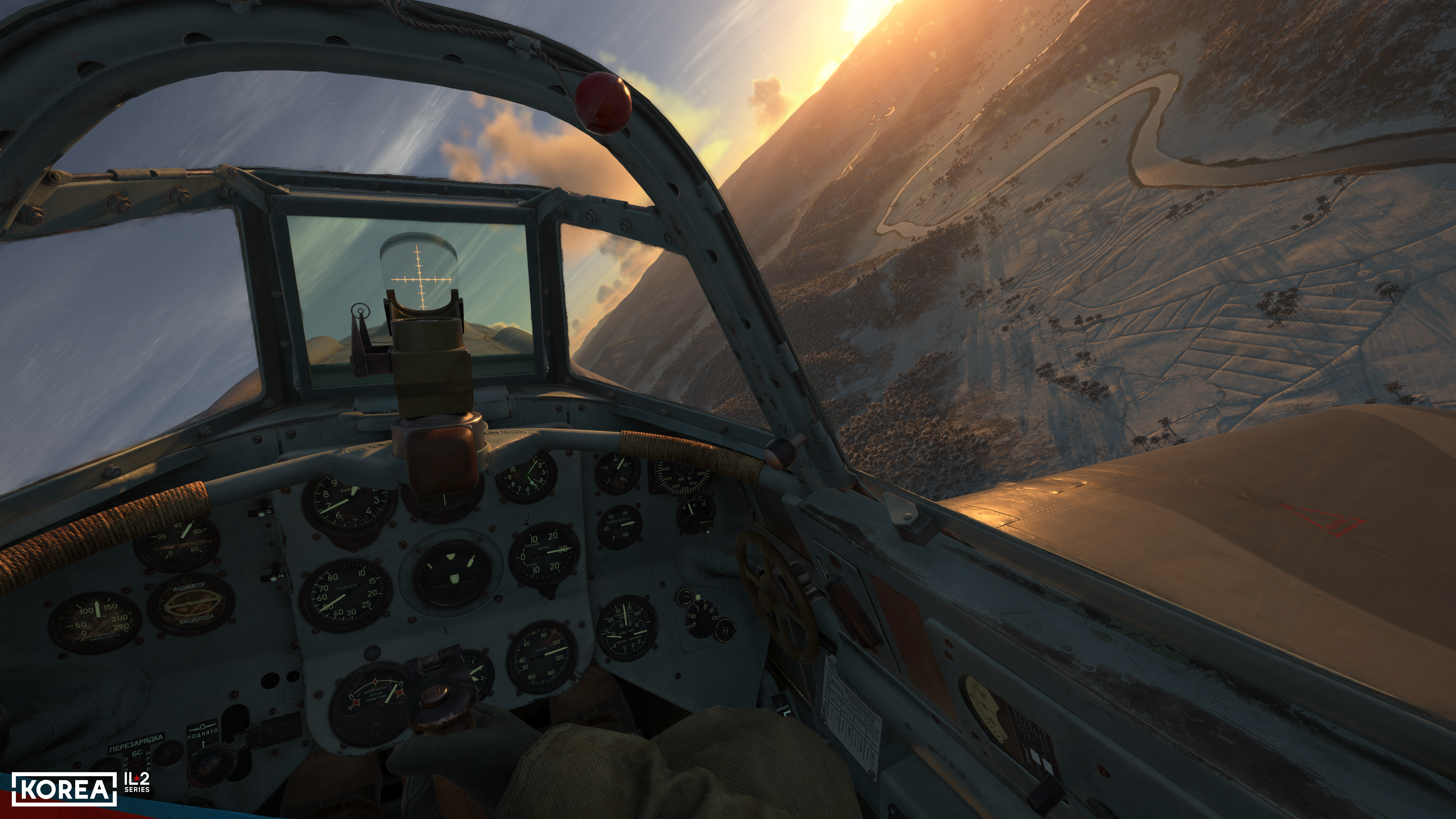
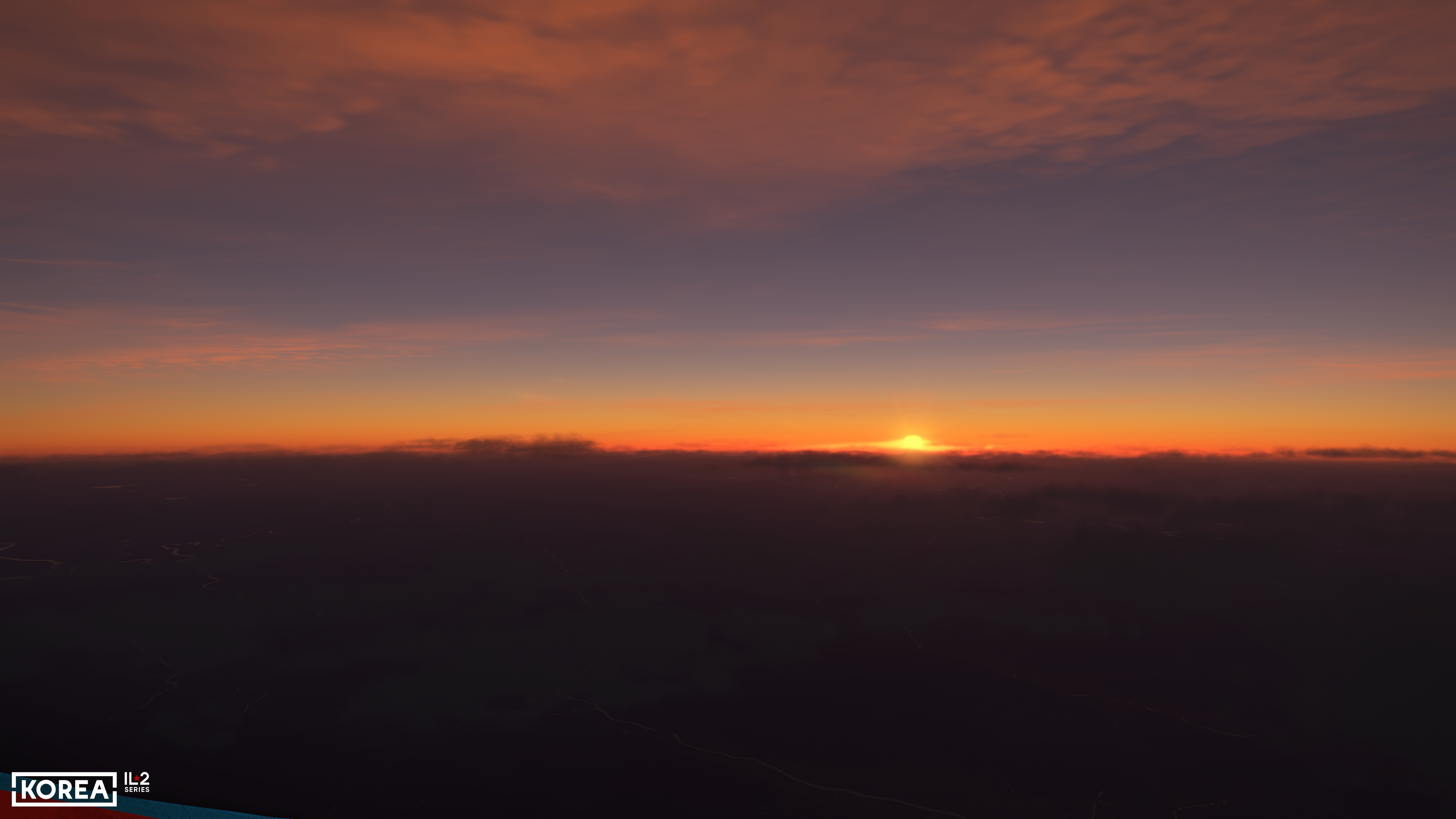
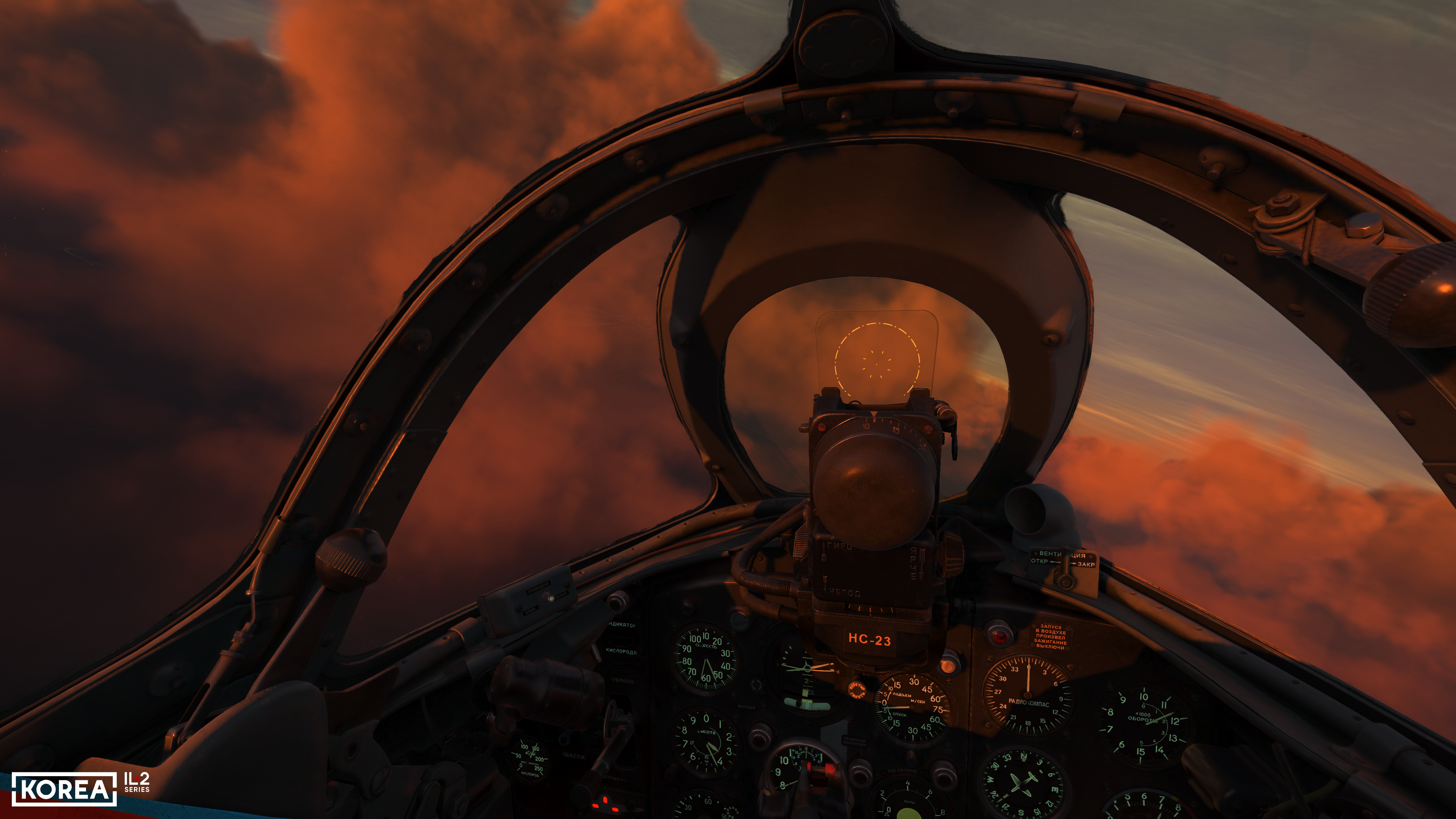
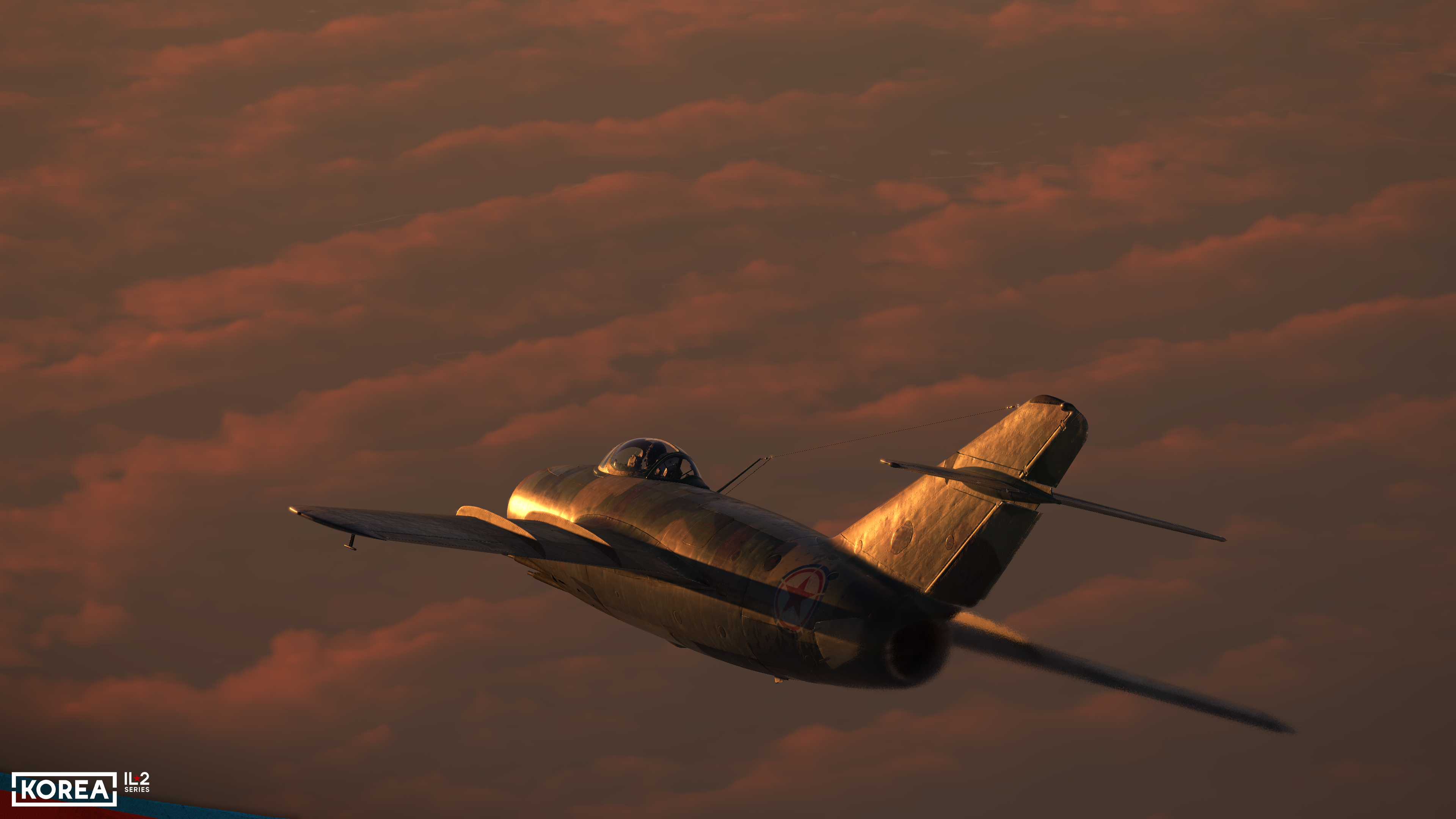
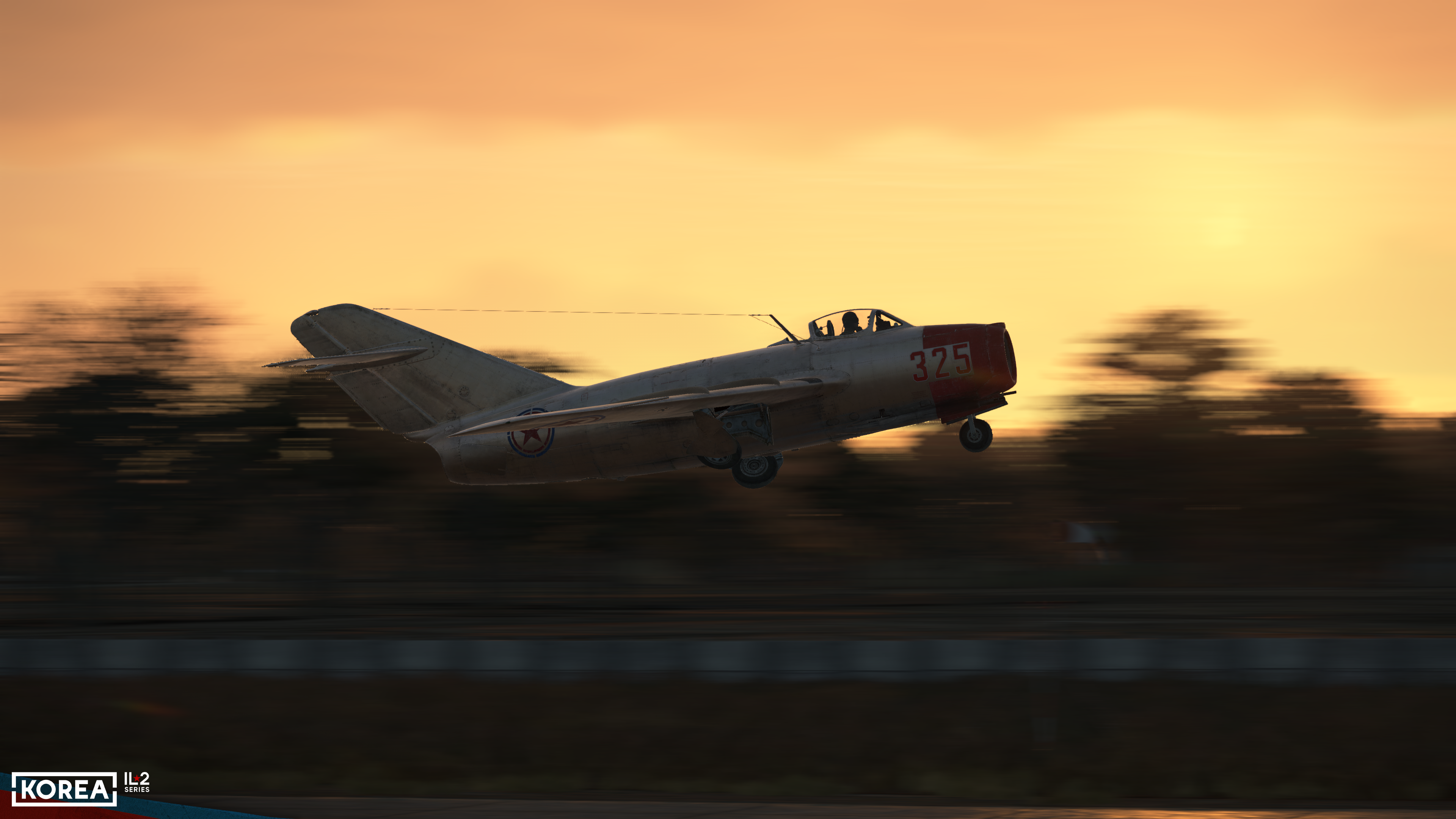
The abundance of subtle tonal gradations has also enhanced the sense of volume in the clouds. Now, when you fly around them, you can really feel just how enormous they are.
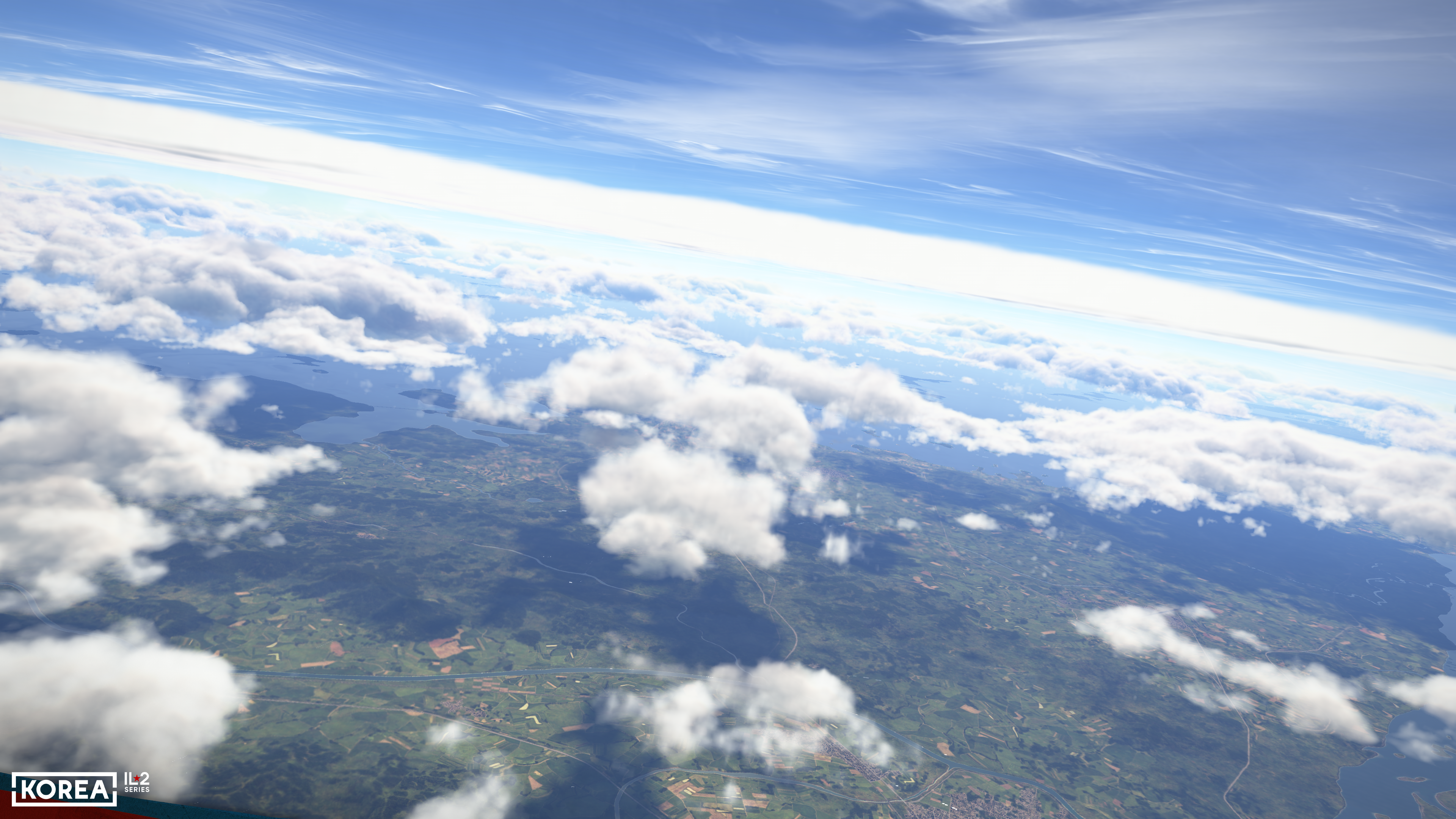
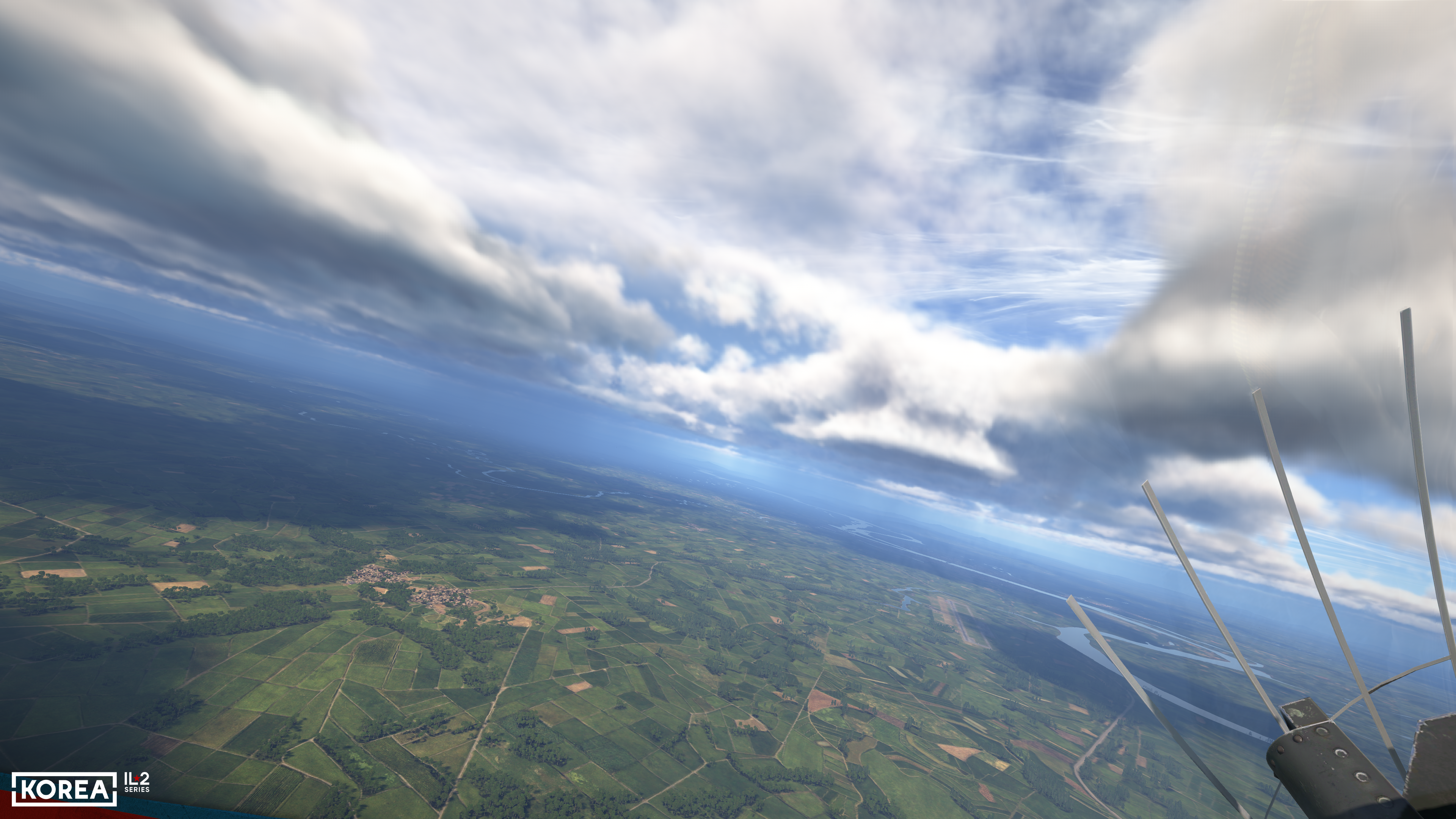
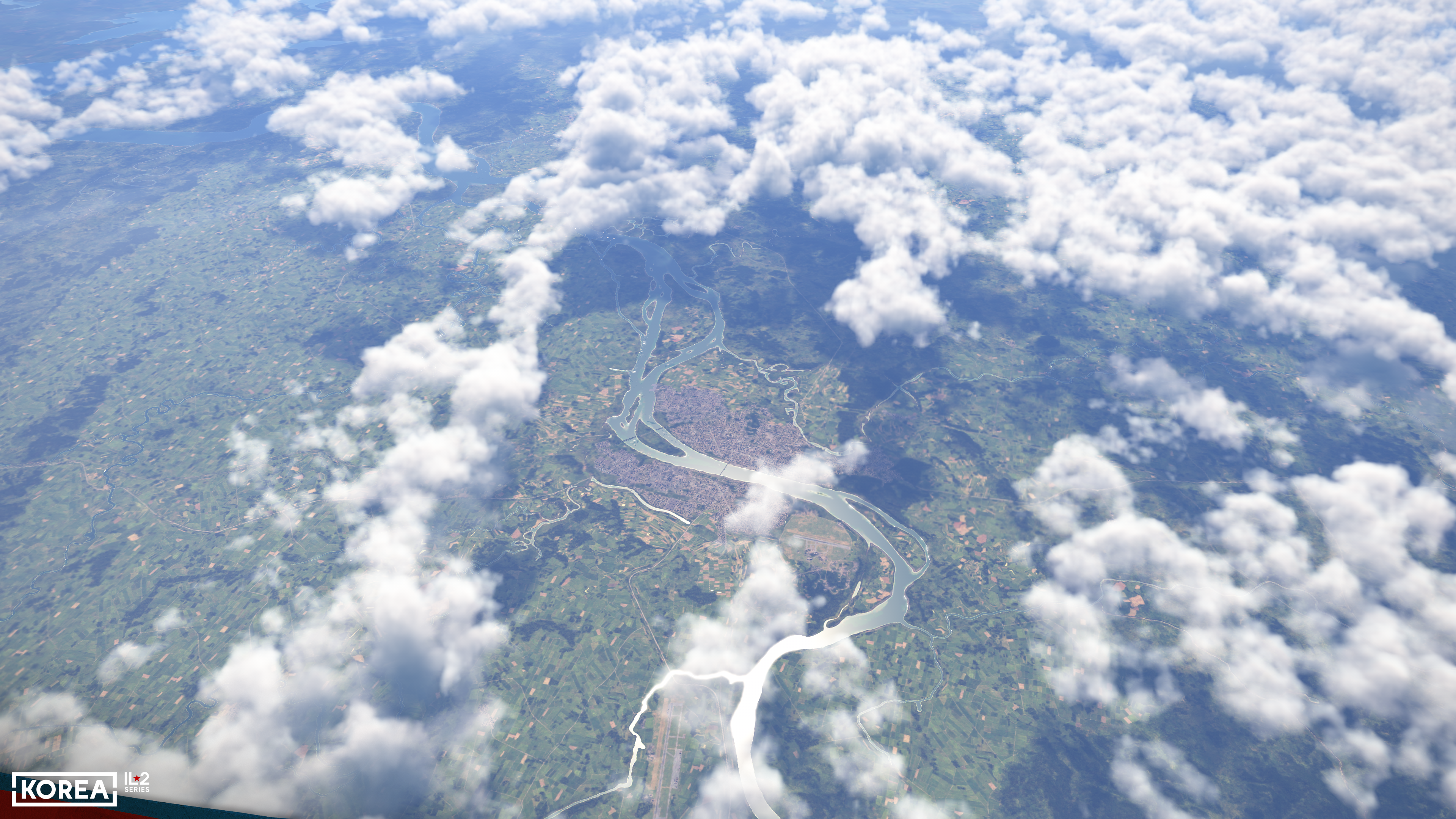
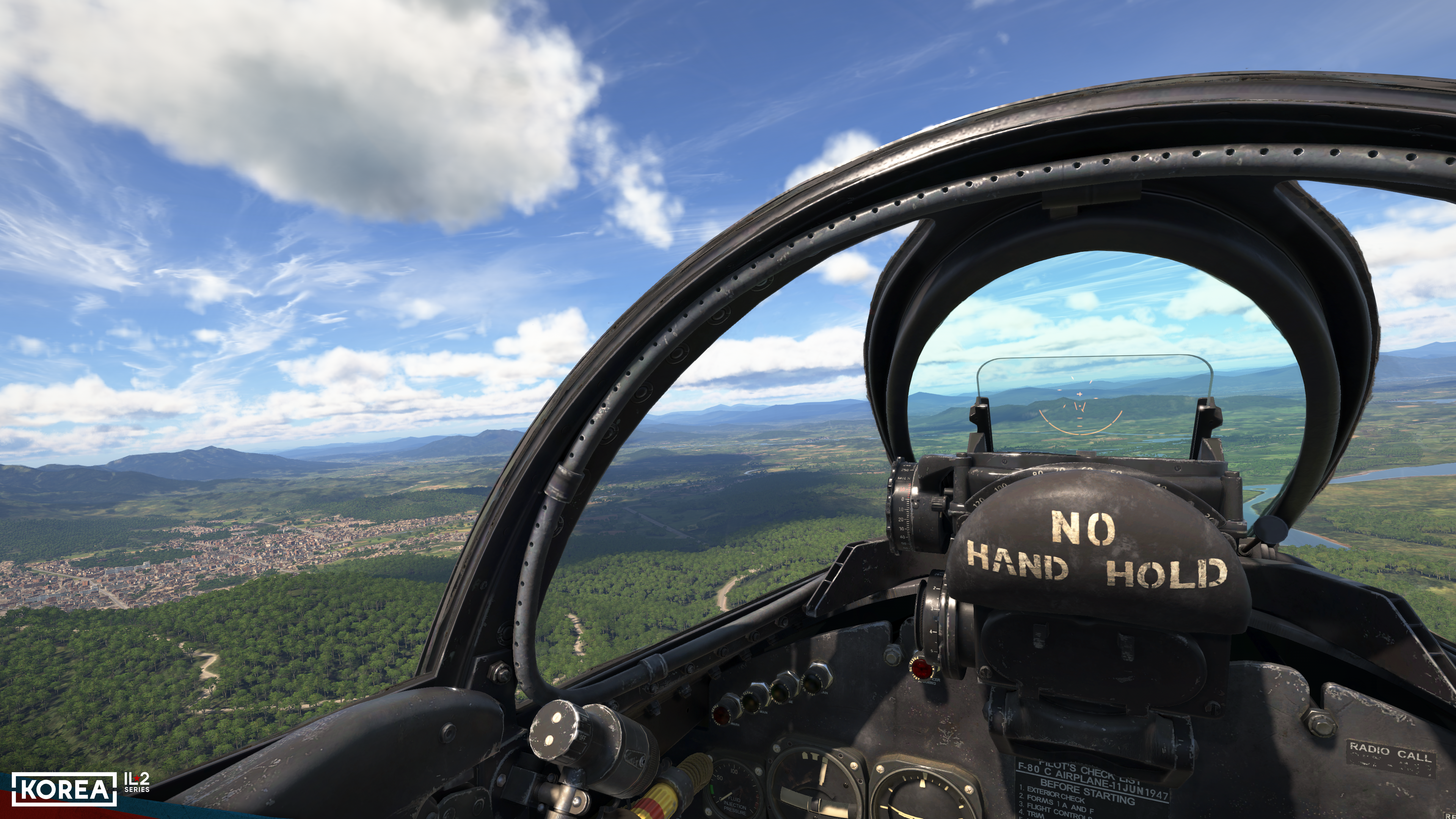
Together, these changes have made the image more contrast-rich, expressive, and true to life. There's a greater sense of air, scale, and space.
Even distant objects now appear sharper and more detailed, because they're rendered on screen using a broader range of colors than before.
Flying in Korea was already a pleasure before these changes, but now, even on a regular monitor, there are moments when you almost believe the objects in front of you are real. And imagine what it's like in VR! On top of that, it's now easier to orient yourself in space, judge distances to objects, and take in the game world as a whole.
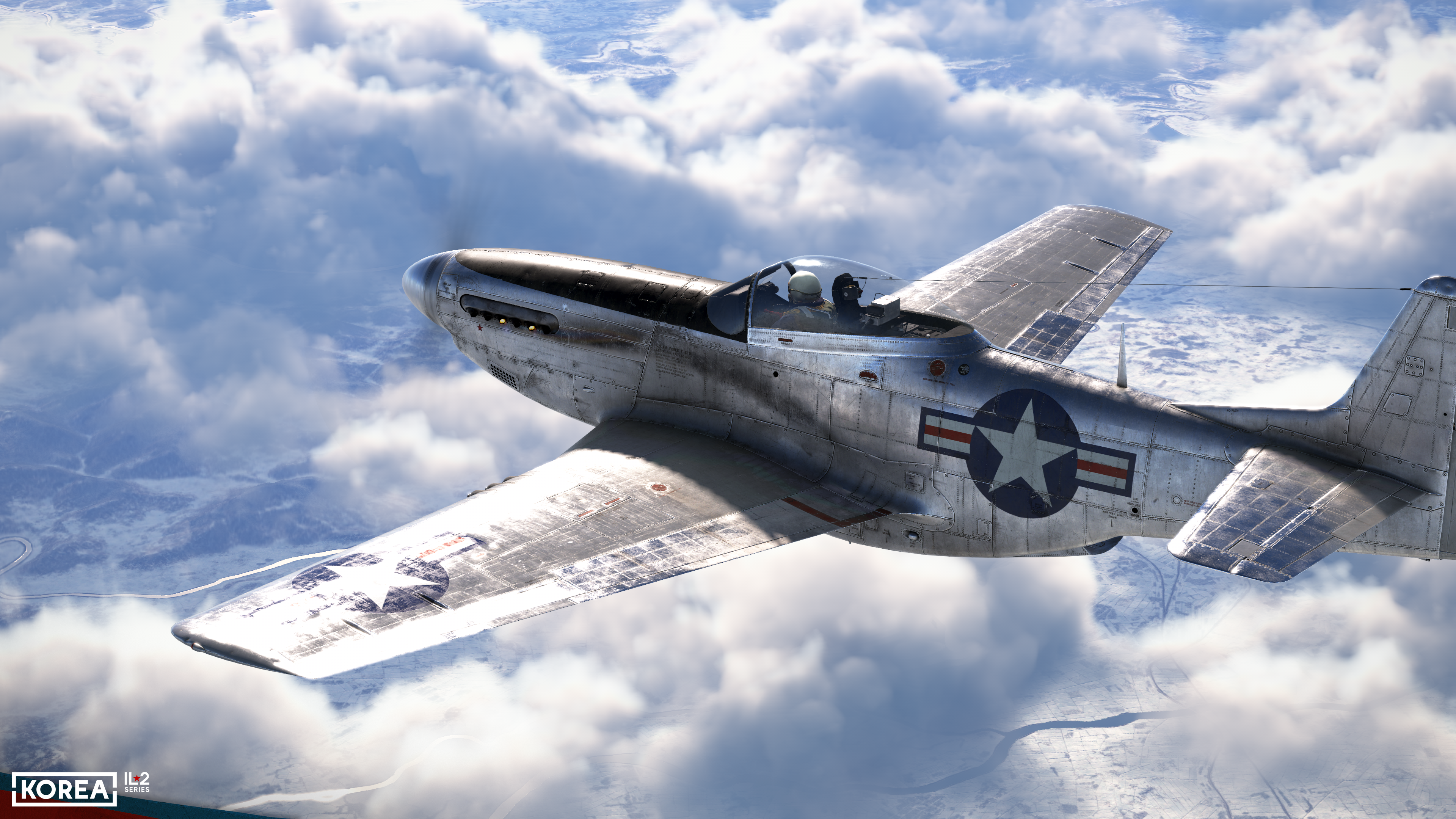
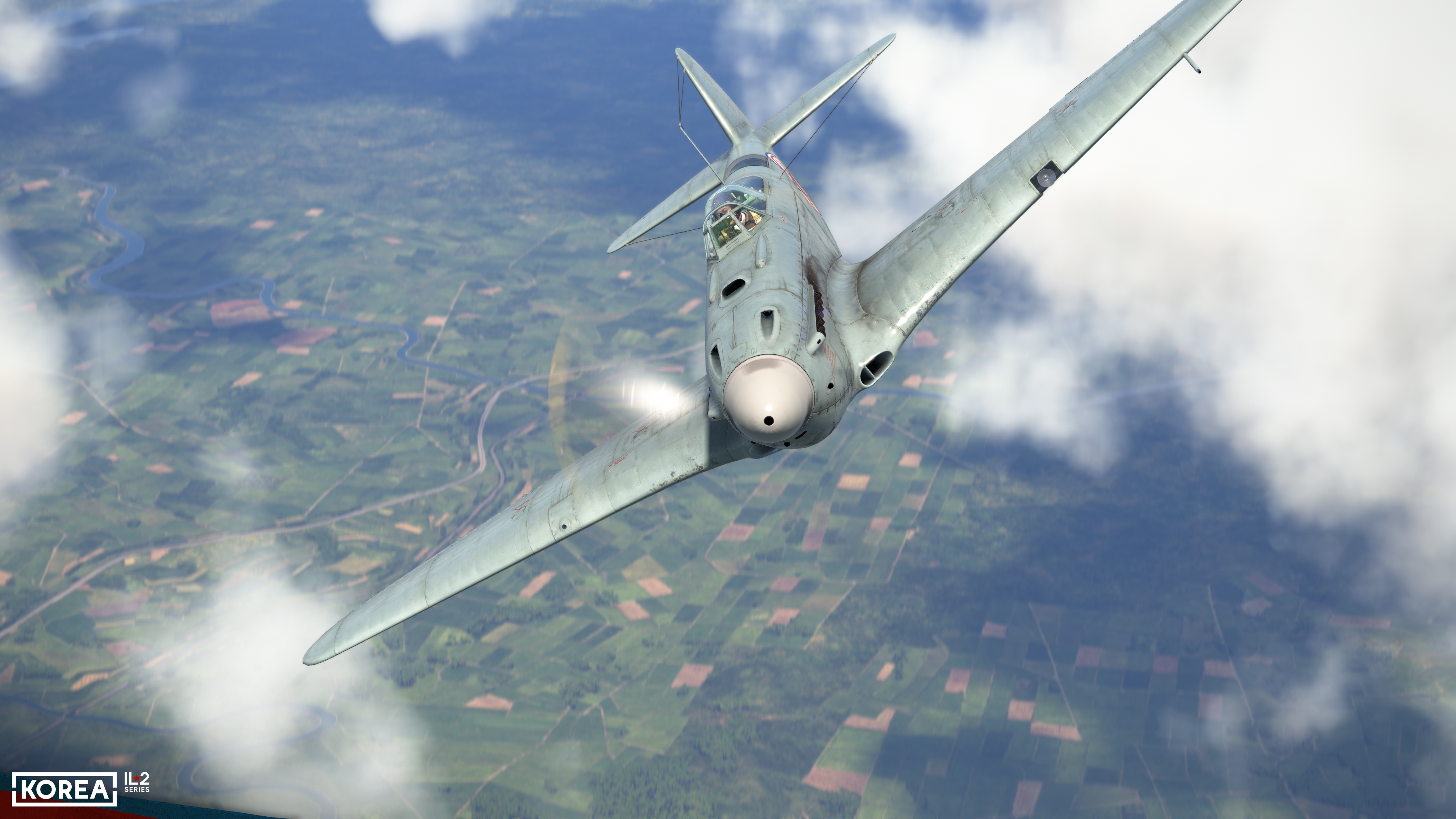
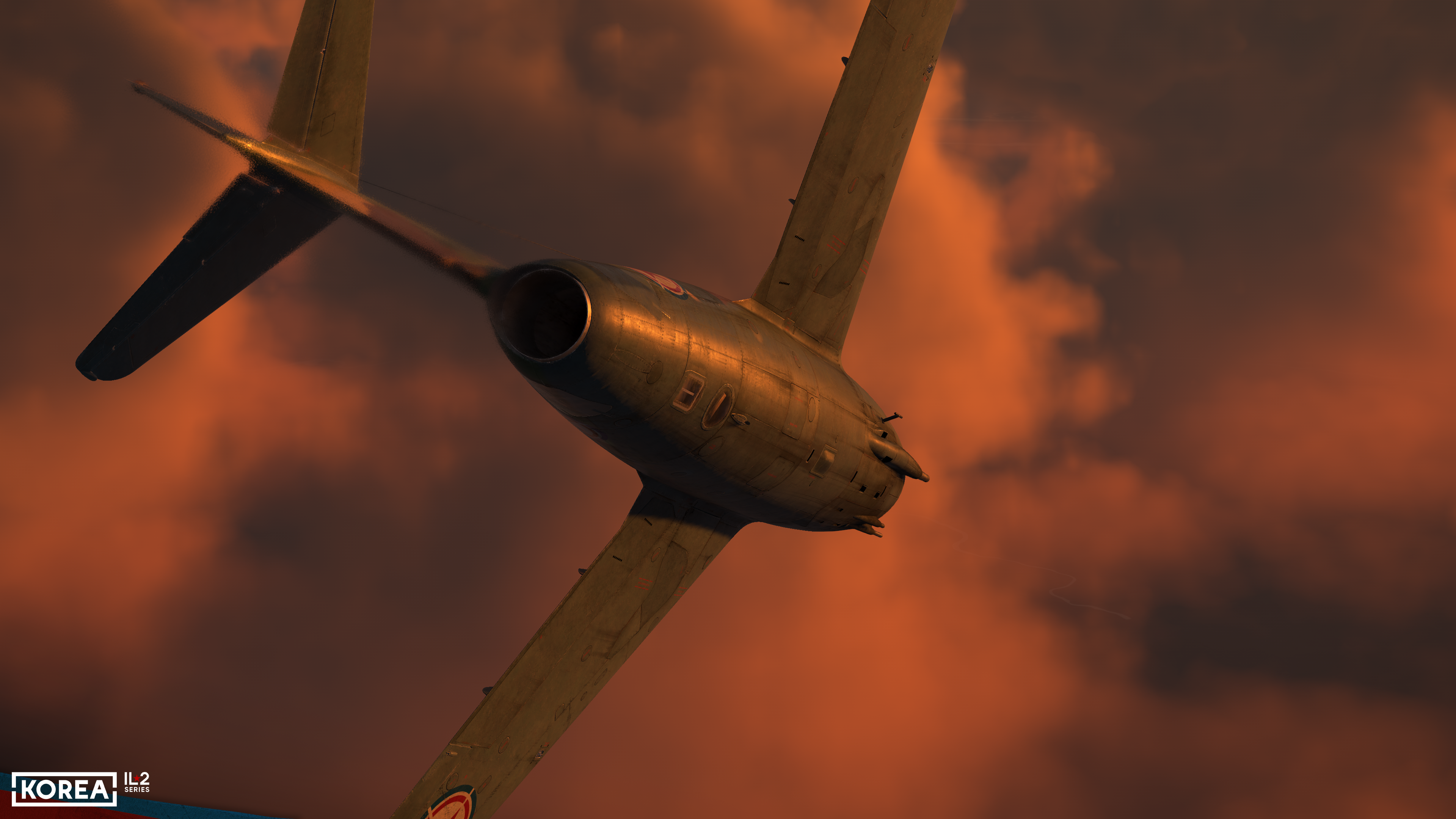
And these are far from all the environmental improvements we'd like to make. There are still things we plan to refine. We've seen your feedback about them, but those are topics for future Dev Blogs.
While we're on the subject of the upcoming update, there's another, somewhat smaller but welcome addition worth mentioning.
We wanted to give a little something extra to players who pre-ordered the game, owners of collector's editions, and anyone who has the Unique Aerobatic Team Liveries pack.
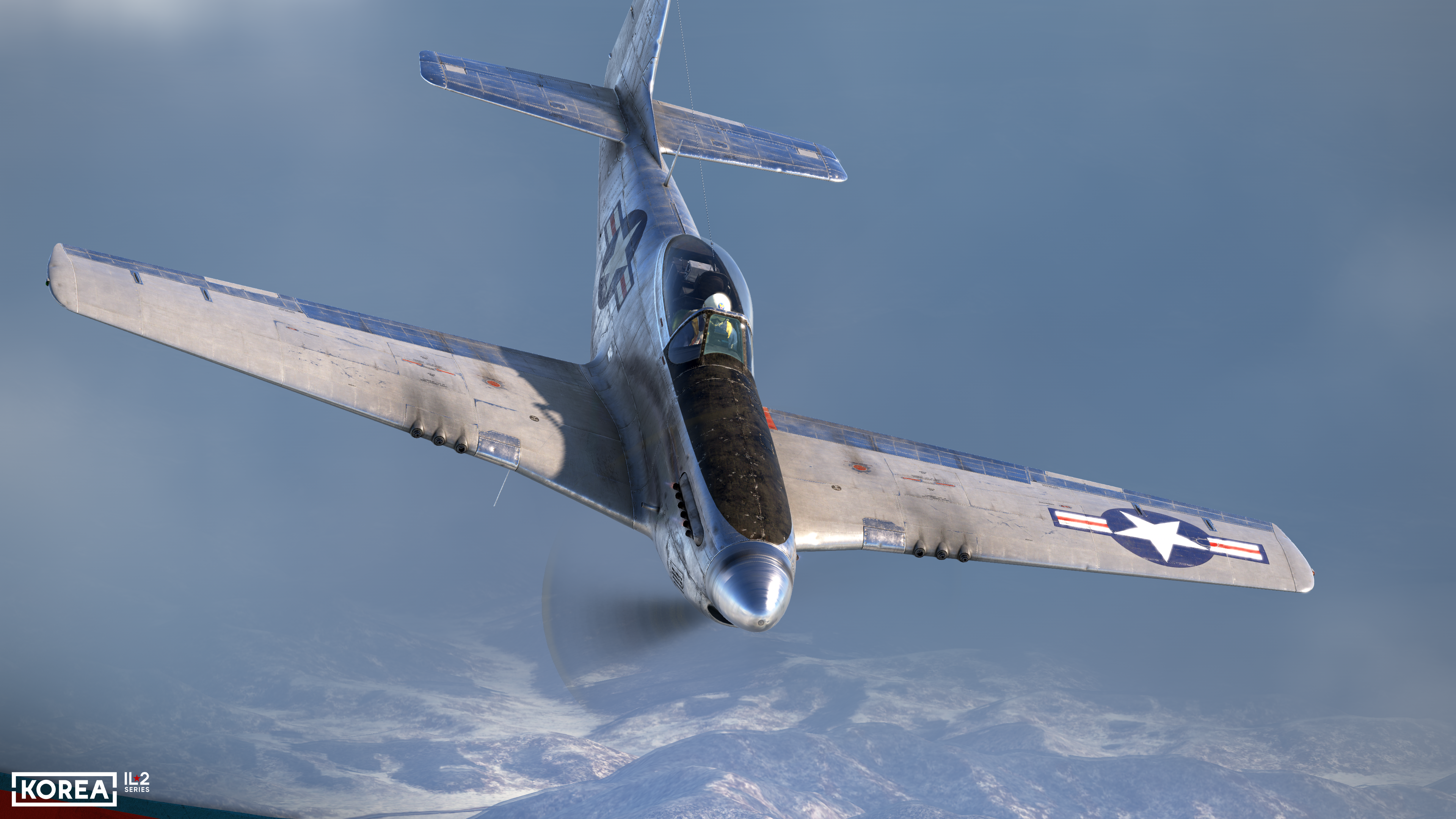
We're adding two beautiful new paint schemes to the pack: one for the F-80 Shooting Star in the style of the Thunderbirds, and another for the F-51 Mustang inspired by Miss America.
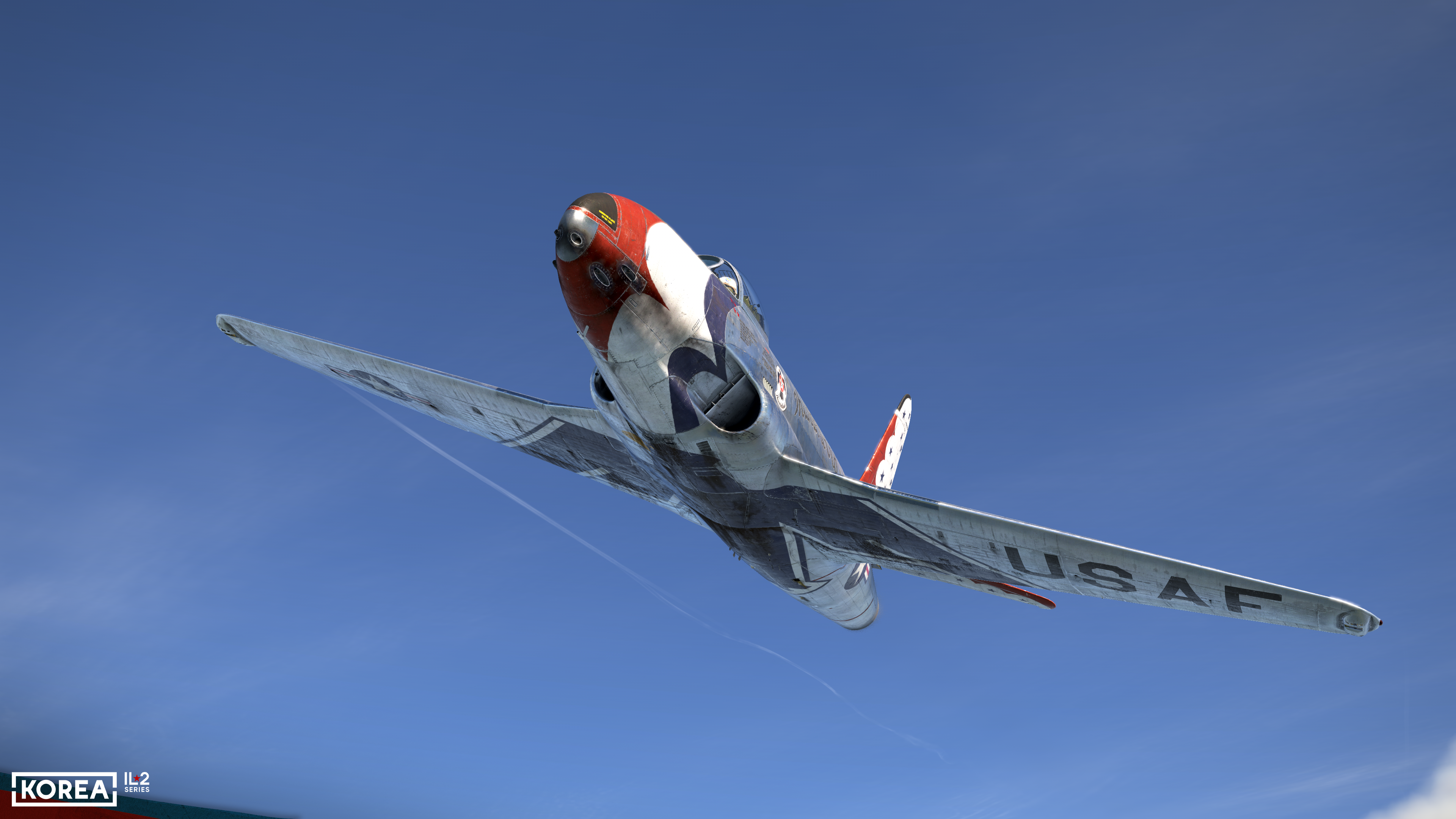
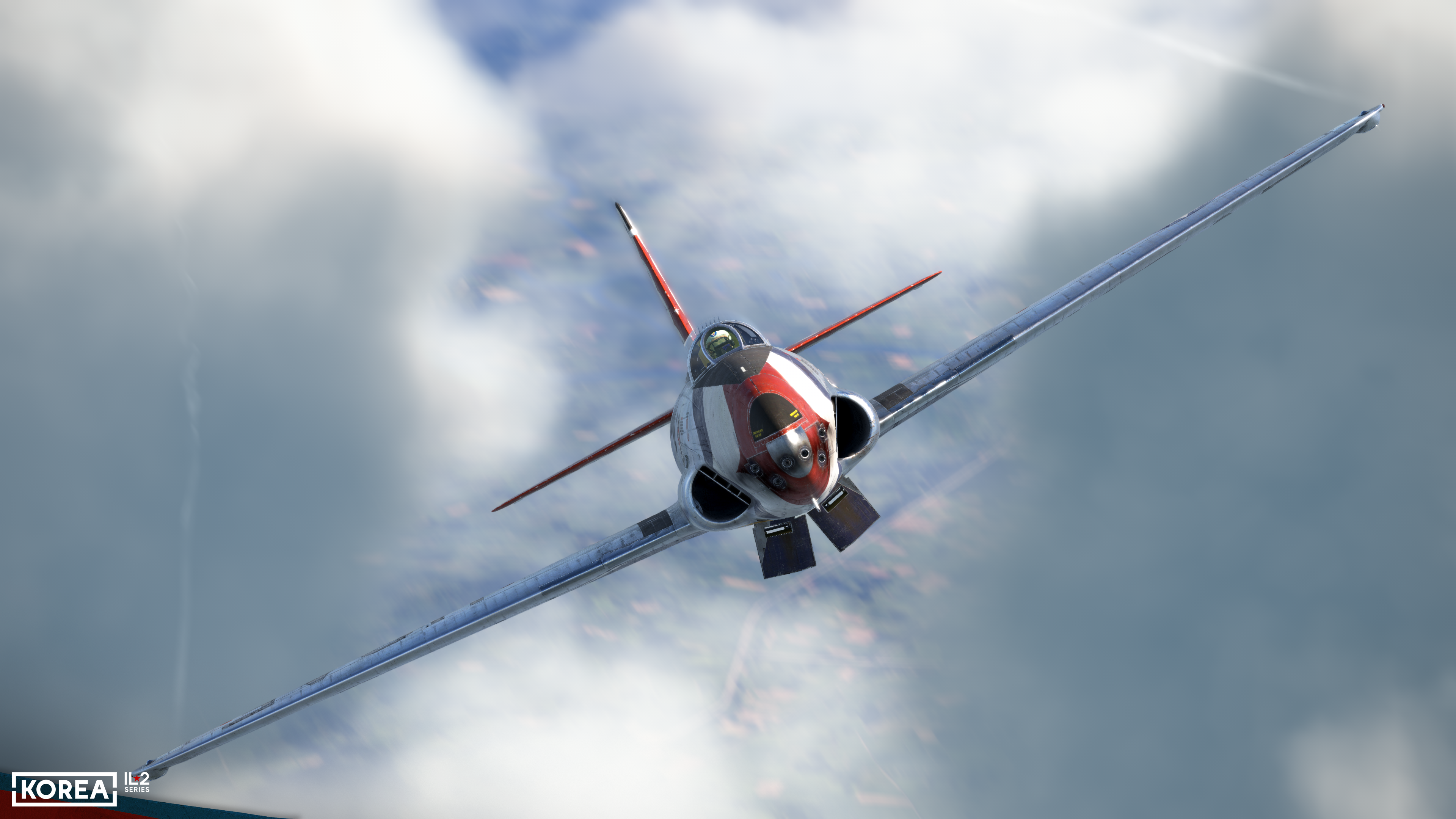
The first one is fairly straightforward: we talked about the Thunderbirds aerobatic team in Dev Blog #62. Back then, the team used not only Thunderjets but also F-80s for training, and those aircraft wore the corresponding paint scheme. The story behind the second paint scheme, however, is worth a closer look.
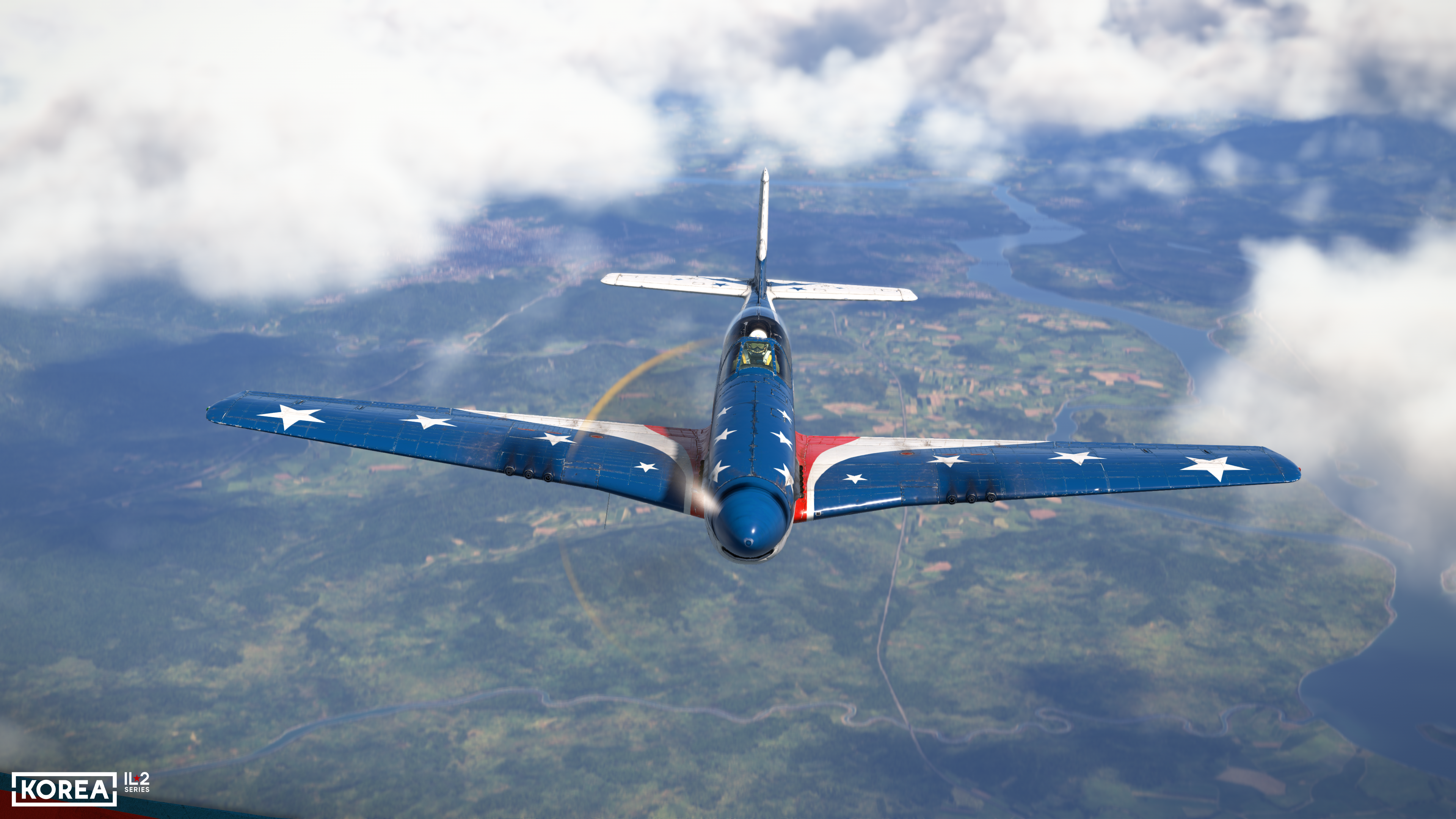
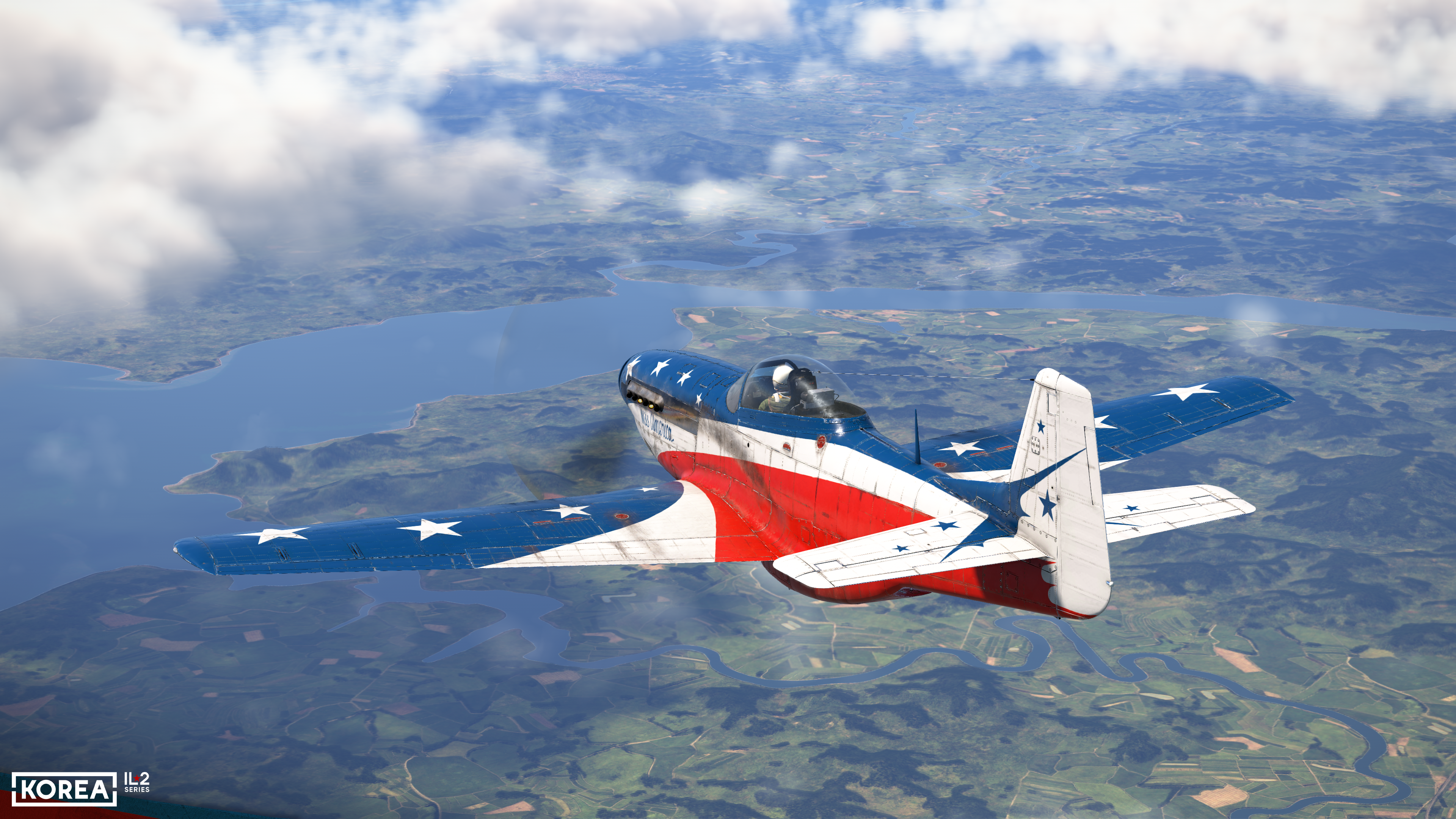
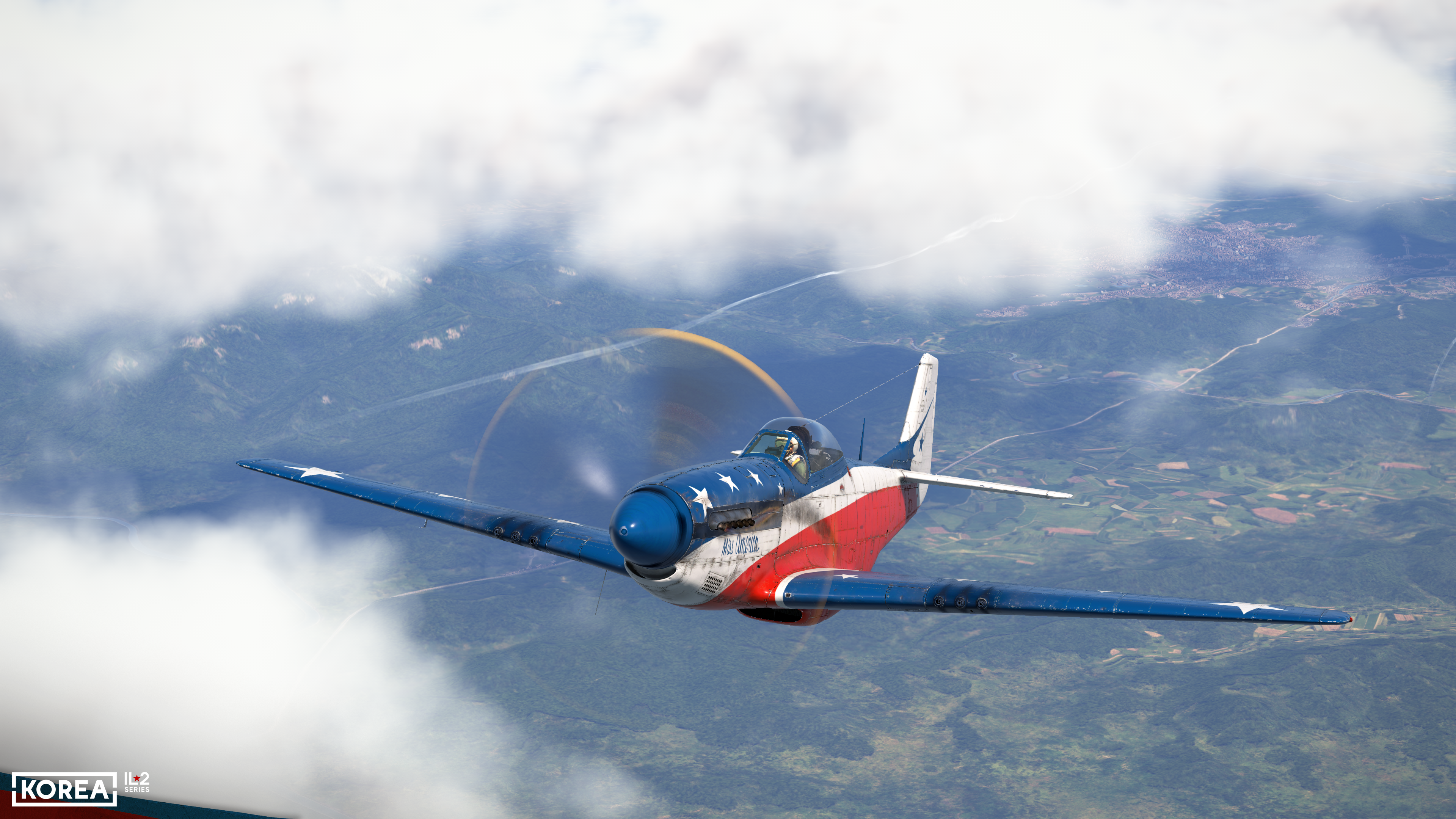
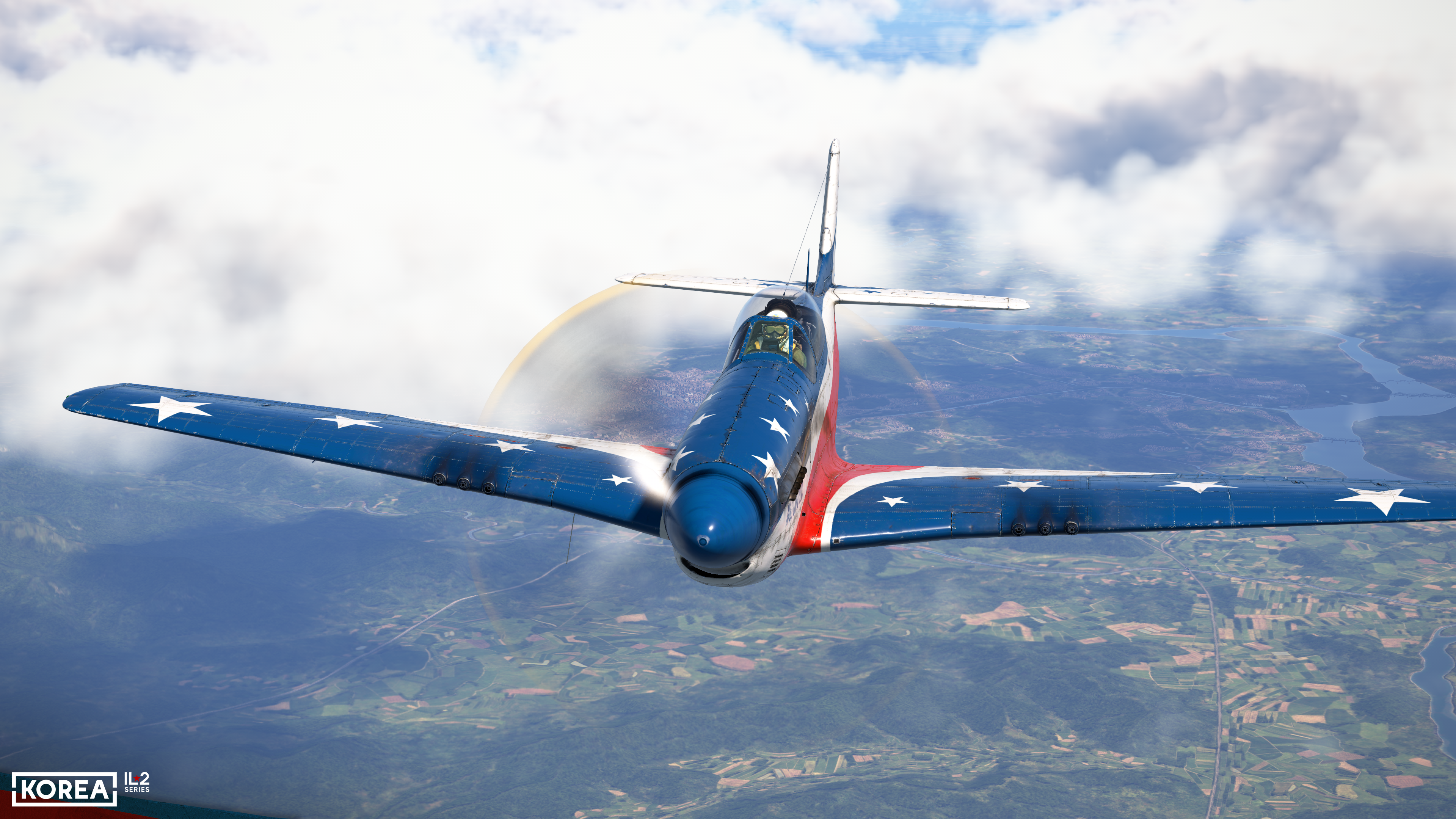
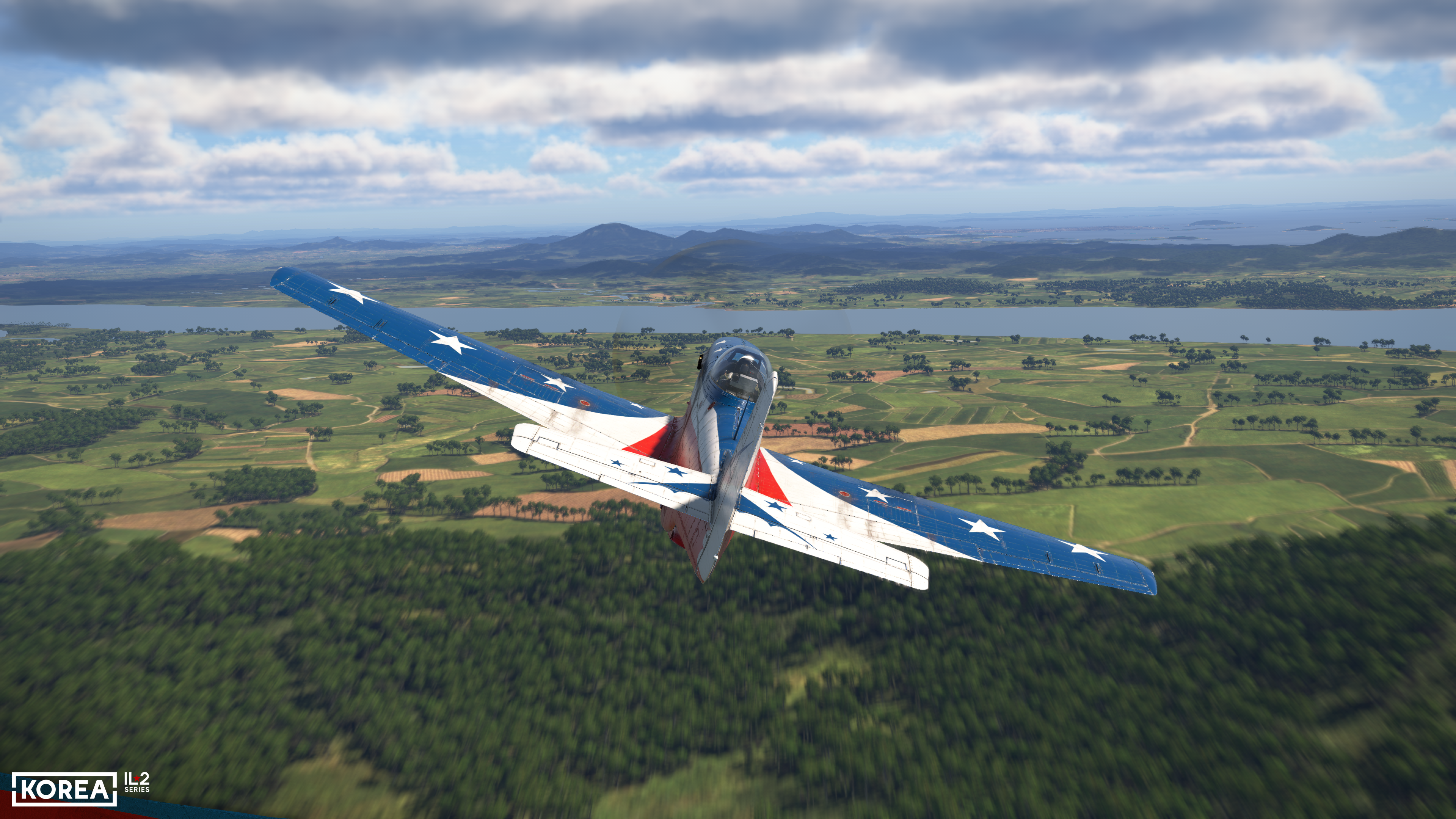
The Miss America paint scheme is based on a real P-51D Mustang, serial number 44-74536. This aircraft is well known for its long history of competing in the National Championship Air Races in Reno, Nevada.
When the update is released, these two paint schemes will automatically become available to everyone who already owns the Unique Aerobatic Team Liveries pack, as well as anyone who purchases it in the future.
When the update is released, these two paint schemes will automatically become available to everyone who already owns the Unique Aerobatic Team Liveries pack, as well as anyone who purchases it in the future.
The update, which will include these and many other changes, is coming soon. To stay up to date on its release, other news, and future Dev Blogs, please subscribe to our social media channels: Discord, Facebook, YouTube, Reddit, and X.
Keep up with the news, share it with your friends, and ask us your questions.
Stay tuned!
Good hunting, and see you in the skies over Korea!
Keep up with the news, share it with your friends, and ask us your questions.
Stay tuned!
Good hunting, and see you in the skies over Korea!