


Dev Blog #90
Greetings, comrades!
We are hard at work on the first expansion for Korea: IL-2 Series—Deck Ops. We have already told you a little about this expansion in our Dev Blogs: for example, in Dev Blog #88, you can read about the Panther. In future issues, we will be sharing more and more information about the expansion, its aircraft, and new gameplay possibilities.
But today, we have decided to talk about the changes being made ahead of its release. These changes will become especially important when Deck Ops arrives. Some of them have already been included in recent updates, while others will appear in upcoming ones.
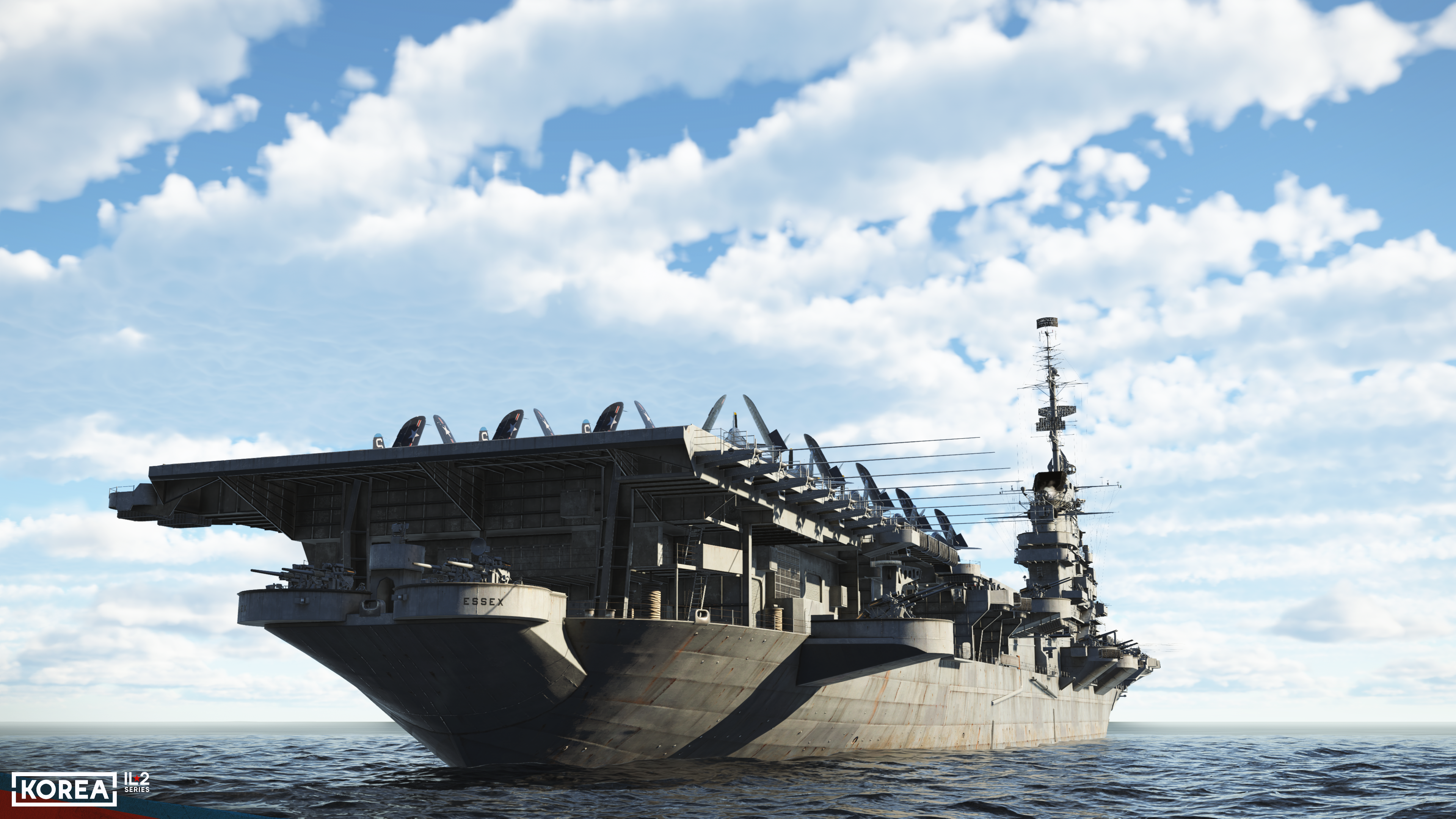
At present, Korea focuses primarily on ground operations and everything associated with them. This focus has therefore shaped our priorities when developing the game world.
Everything related to operations on water was developed based on what players encounter during flights. We created high-quality water surface rendering technology and an extensive range of highly detailed surface targets with a sophisticated damage system. You can read about all these features in detail in Dev Blog #47. Even at release, the level of detail of ships and other surface vessels was unprecedented for a flight simulator.
Everything related to operations on water was developed based on what players encounter during flights. We created high-quality water surface rendering technology and an extensive range of highly detailed surface targets with a sophisticated damage system. You can read about all these features in detail in Dev Blog #47. Even at release, the level of detail of ships and other surface vessels was unprecedented for a flight simulator.
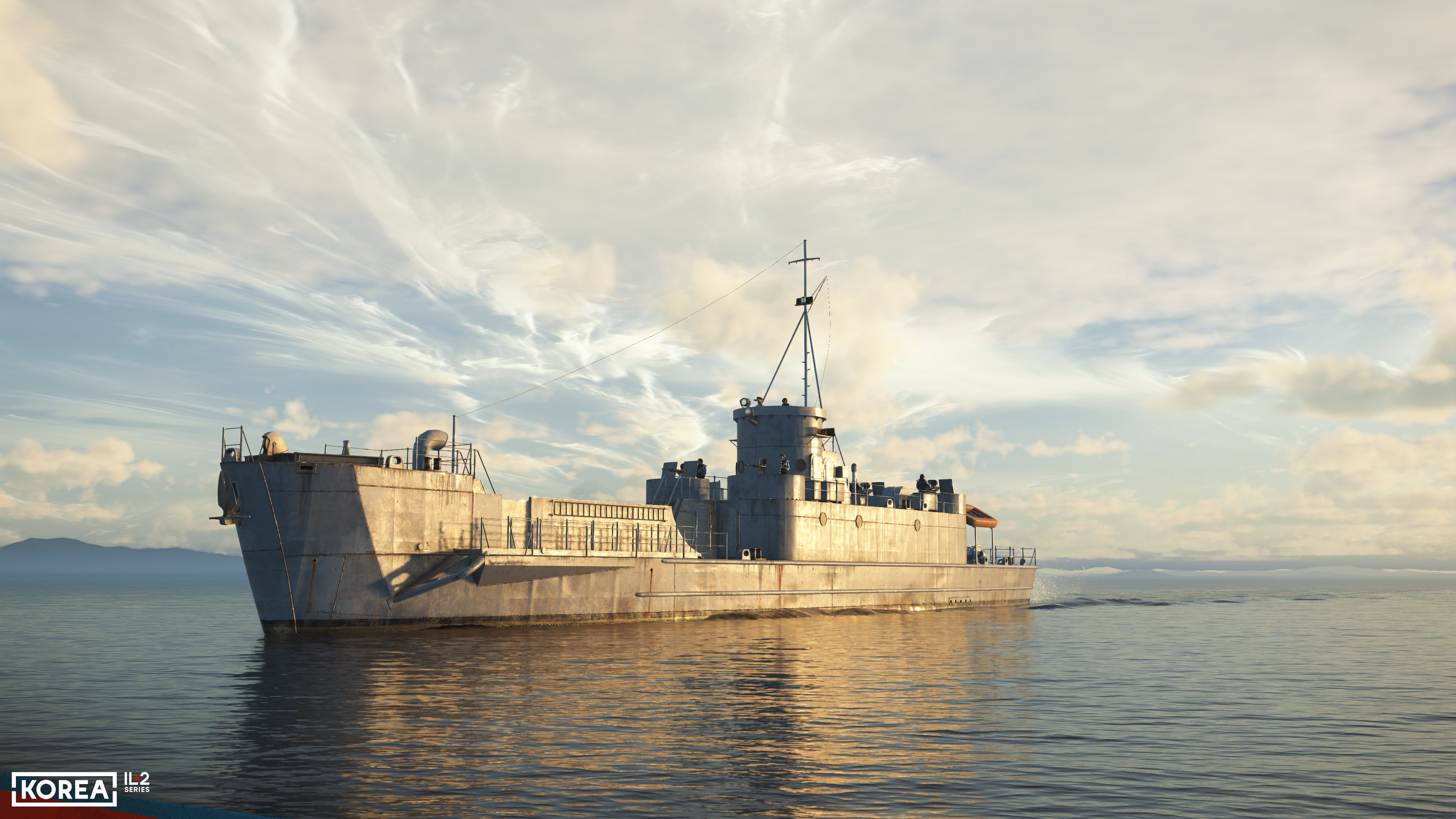
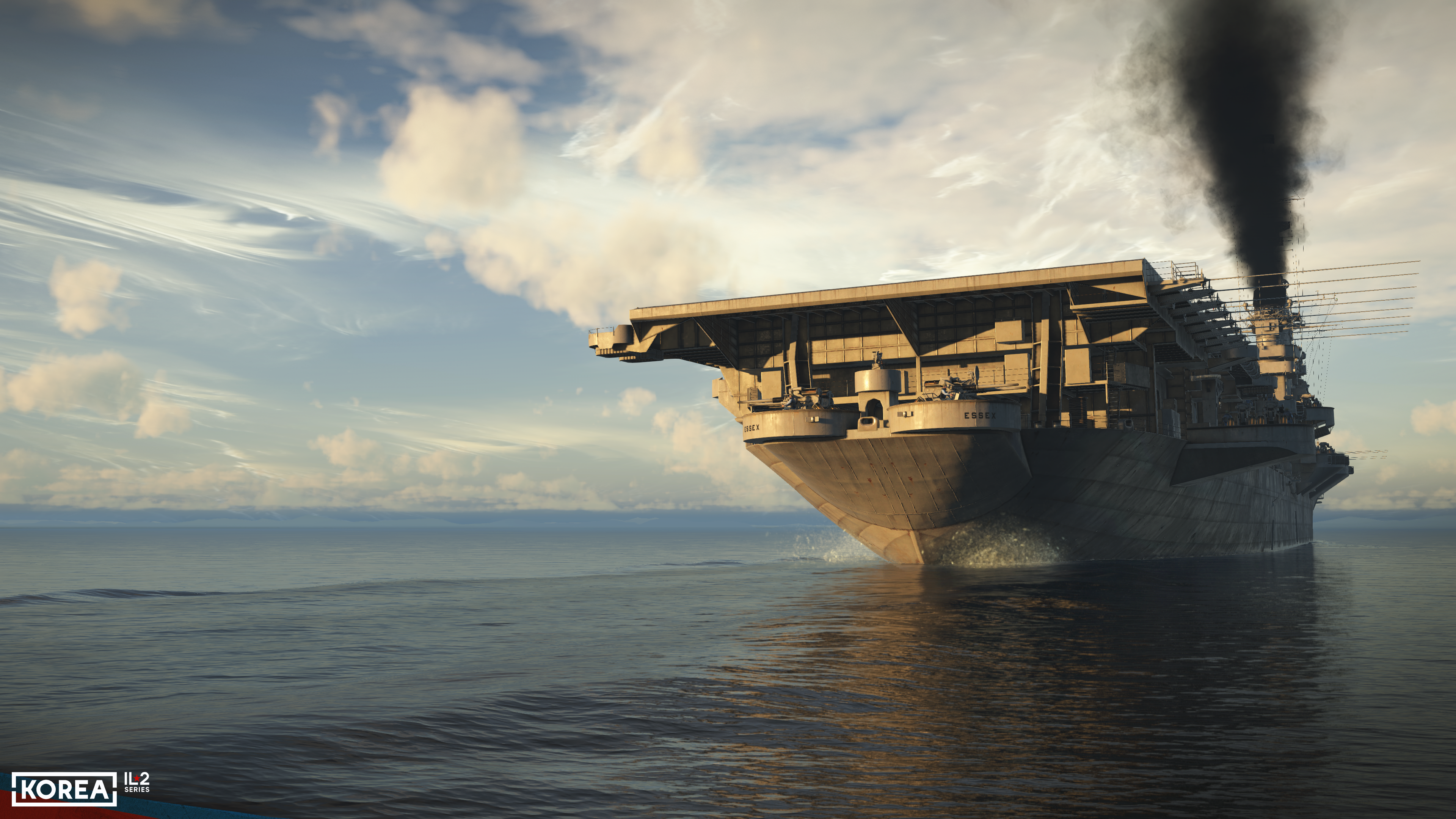
With this expansion, players will not only fly along the coastline and attack surface targets, but also land on and take off from an aircraft carrier. As a result, players will pay much more attention to everything related to water. That is why, for an expansion so closely tied to the sea, we have begun raising the level of detail in the game's waters and coastal areas.
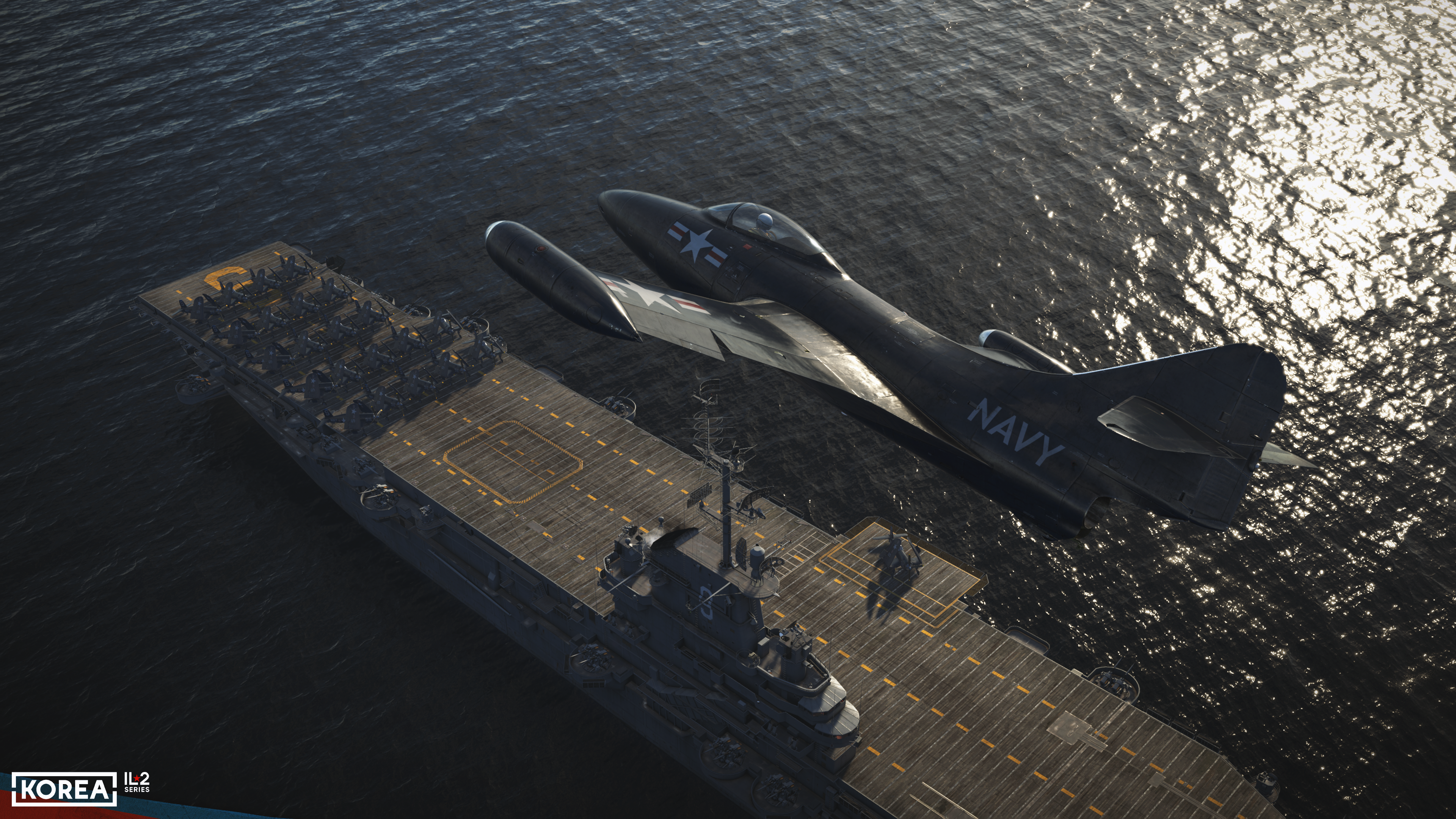
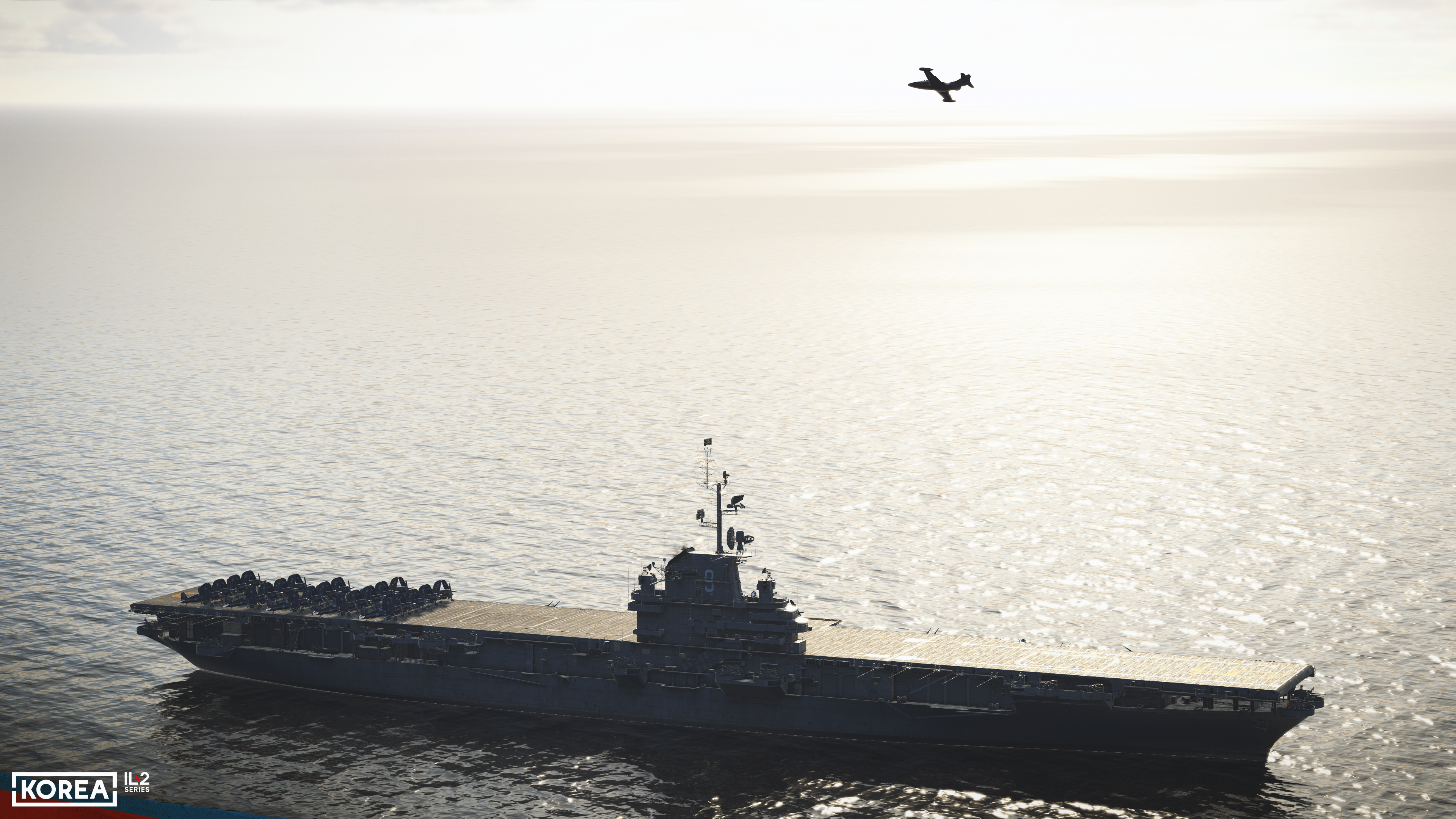
We briefly mentioned before that our water rendering technology has already undergone significant changes since release. In addition to improving the water surface itself, we have enhanced how everything beneath it is rendered. This has dramatically transformed the coastline. The seabed, its contours, and objects resting on it are now visible through the water, along with shadows cast by ships and piers. All of this creates a more natural-looking scene.
But these changes are not as simple as they might seem. Alongside major technological improvements, we also had to do considerable work on the game's content. Previously, the coastline, piers, and other objects had not been designed with a visible seabed in mind. So, after making the technical changes, we had to rework the geometry of the entire coastline and add detail to shallow-water areas and numerous coastal objects.
And that is no easy task when you are dealing not just with satellite data, but with historical locations that, as we have explained many times before, have to be recreated by hand using historical records.
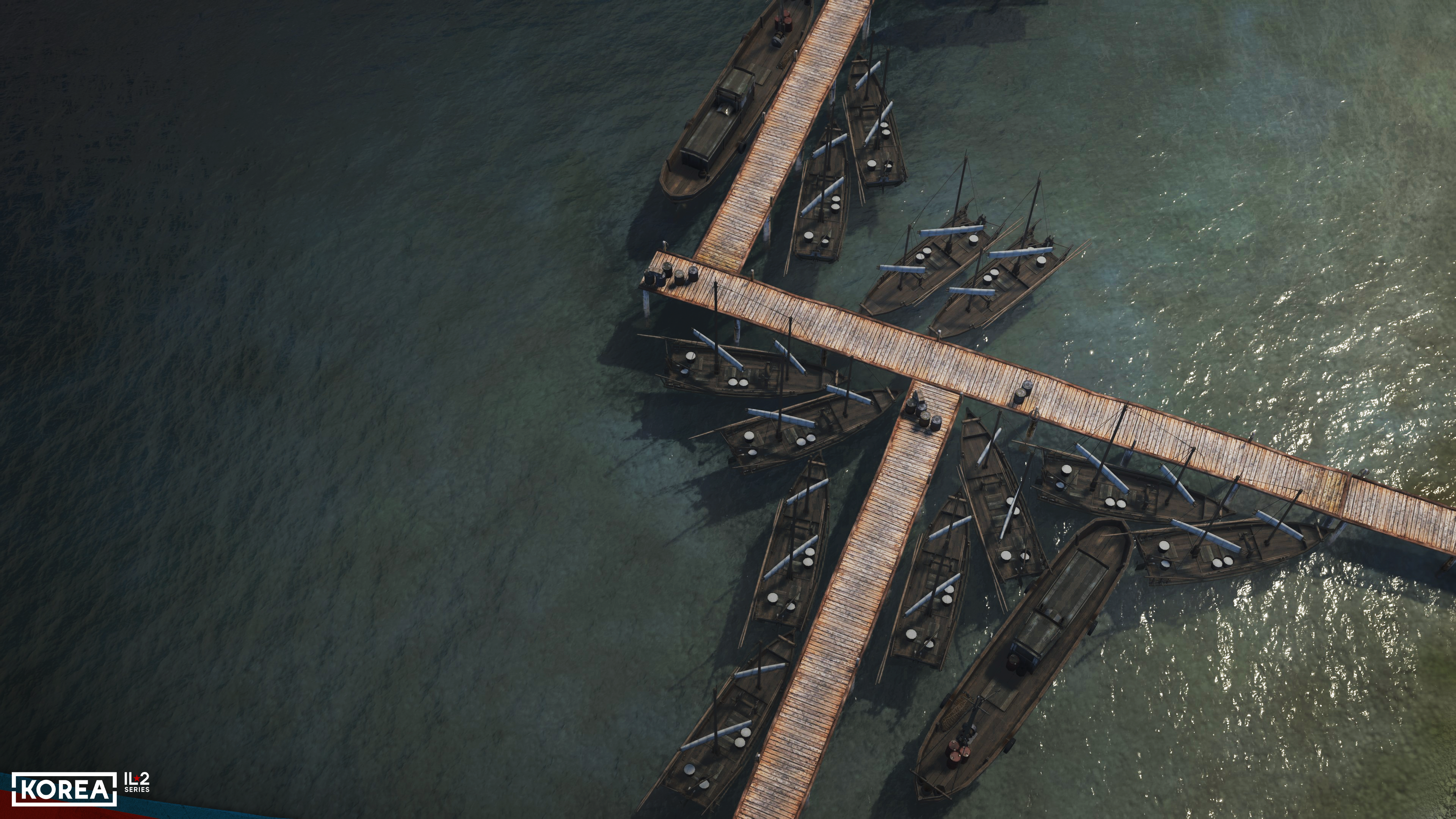
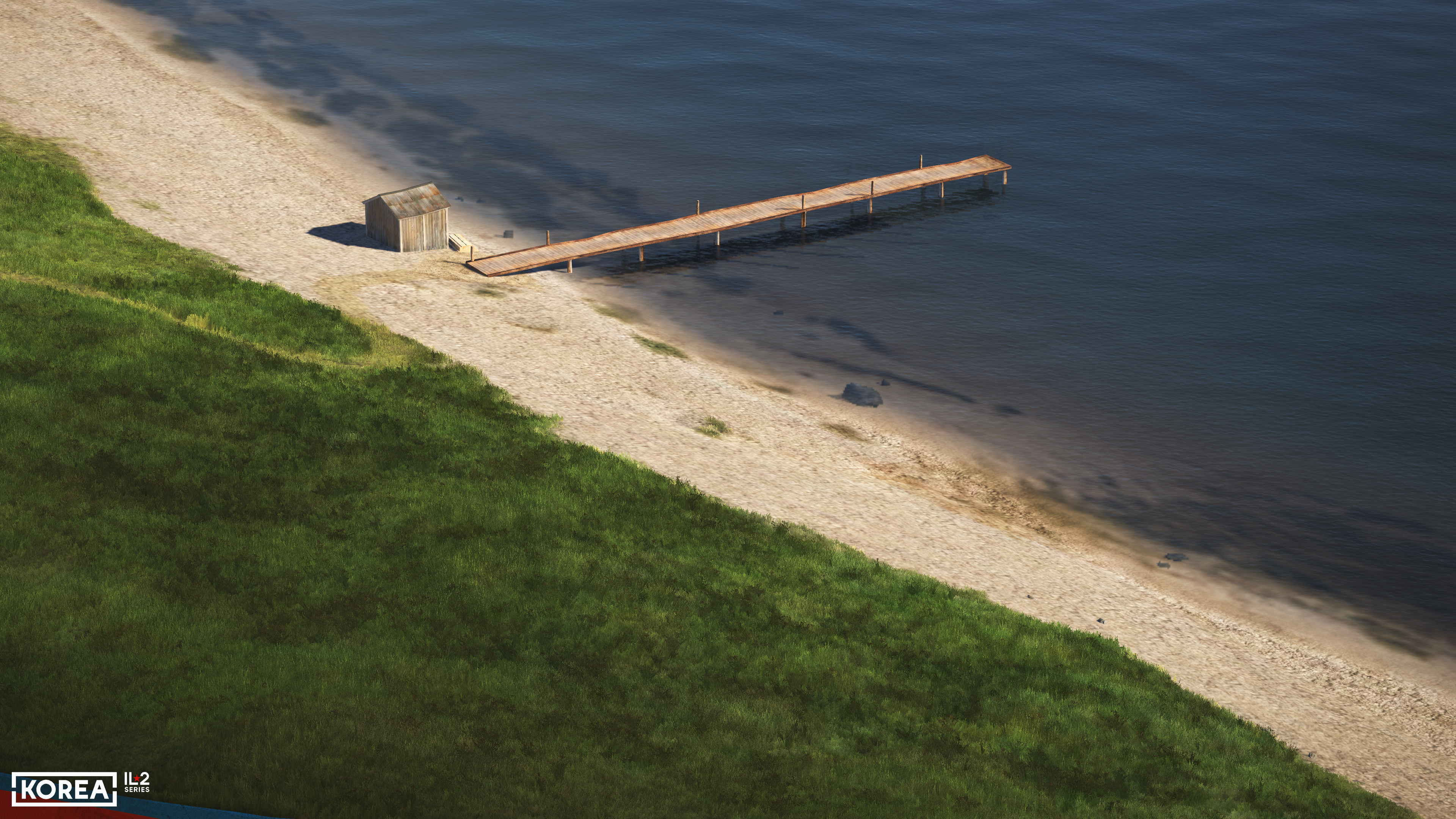
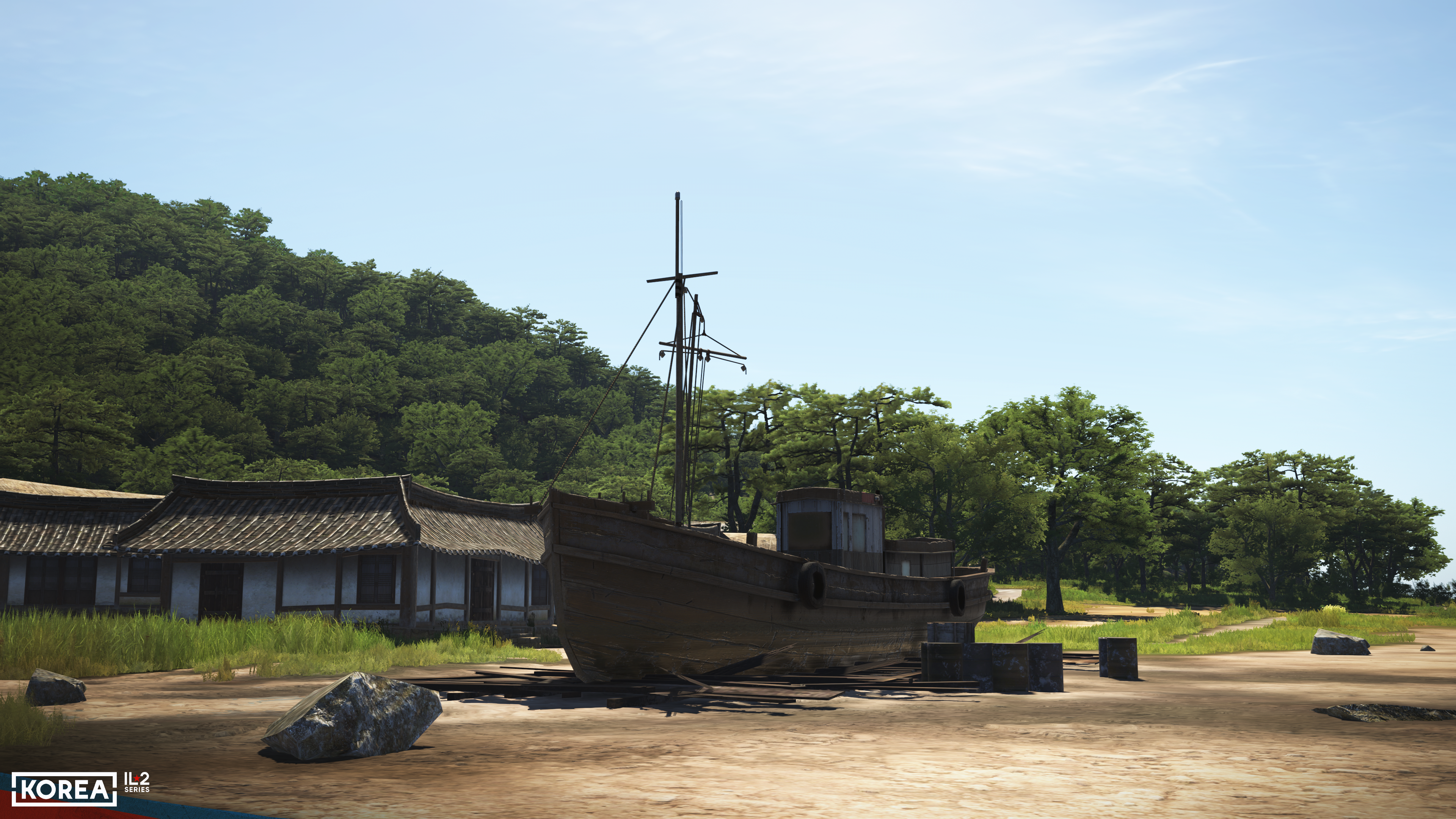
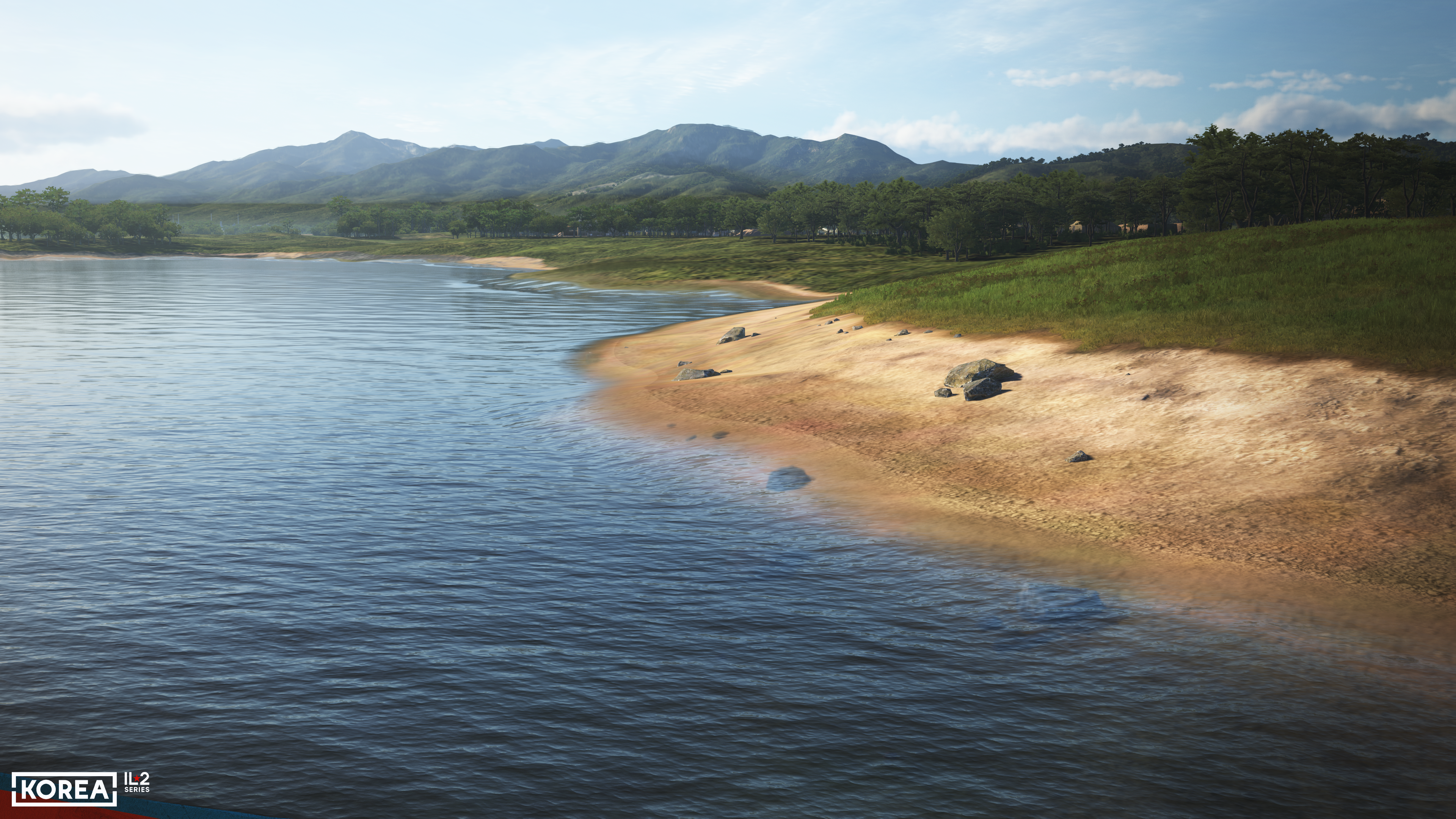
Besides the coastline, we are also improving effects on the water surface.
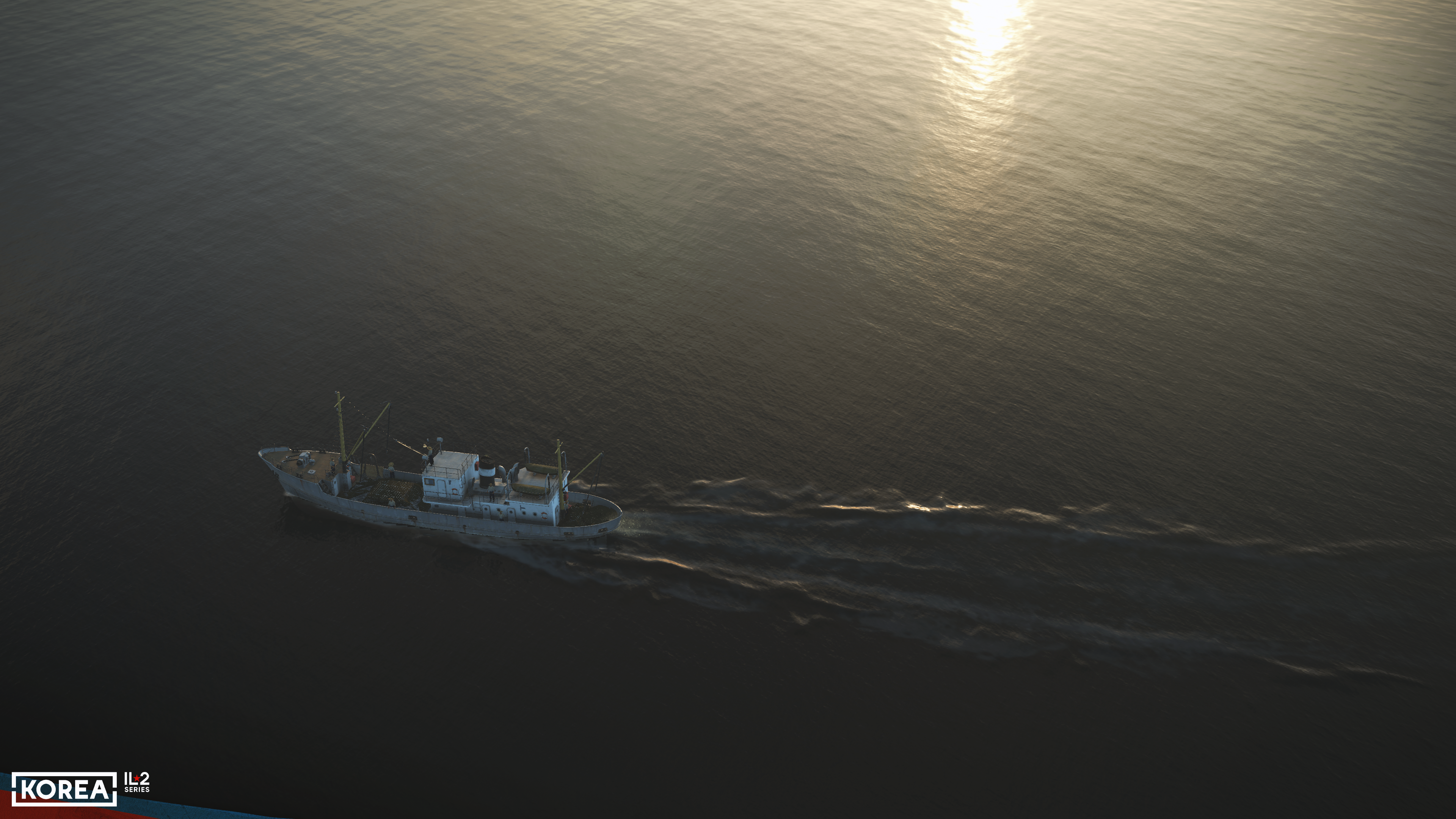
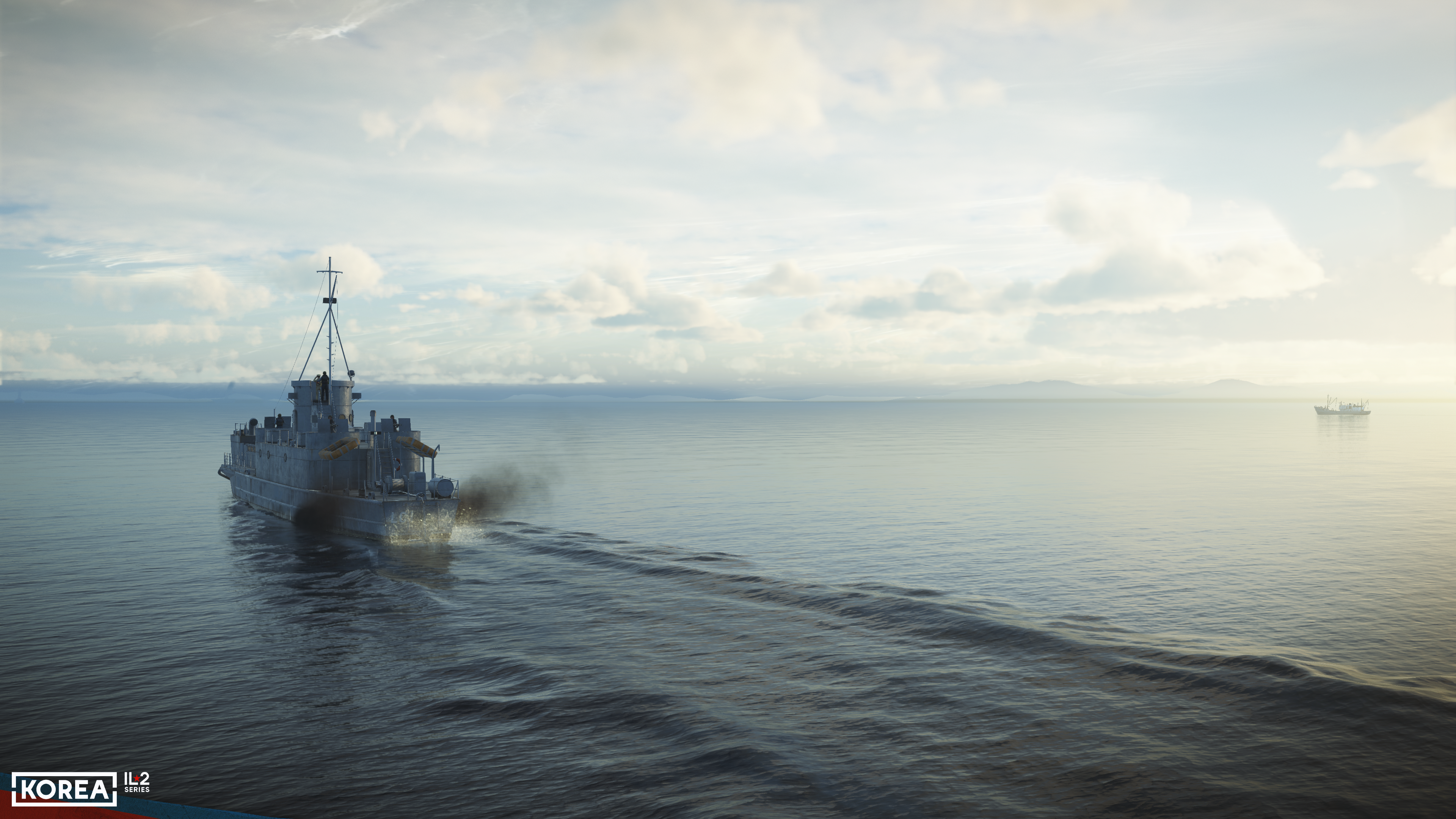
Ship wakes, for example, have changed dramatically. They are now three-dimensional: instead of being merely projected onto the water's surface, they also change its visible geometry. Previously, three-dimensional waves appeared only near a ship's bow. Now the entire wake has volume and remains clearly visible even against reflections.
This is especially noticeable when looking across the water at a shallow angle: the wake stands out because of the changes in the surface geometry. You can see the waves a ship generates as it moves through the water. This is particularly important, for example, when approaching an aircraft carrier for landing.
But the improvements already in the game are not everything we believe is needed for the project and its first expansion.
We also plan to improve other water-related effects, including explosions, various impacts, wave crests, and objects and aircraft falling into the water.
However, these changes deserve a Dev Blog issue of their own. We will tell you more about them when the work is nearing completion.
Besides water-related improvements, we are preparing many other changes. For example, work continues on further optimizing the game. We will soon introduce a new grass rendering technology. Grass will look the same, but performance will improve: FPS near the ground will increase by 15–30%, depending on camera angle and settings.
We are also working on significant changes to the graphics subsystem's stereoscopic rendering pipeline. The new approach will noticeably improve VR performance in situations where it is limited by CPU processing power. At the same time, we are working on other optimizations that, together, will significantly improve graphics performance in Korea in the near future.
To make sure you do not miss future stories, we would also like to remind you of our other communication channels, which some of you may find more convenient: Discord, Facebook, YouTube, Reddit, and X.
Please subscribe, share the news with your comrades, join the discussion, and ask questions.
Stay tuned! Good hunting!
Please subscribe, share the news with your comrades, join the discussion, and ask questions.
Stay tuned! Good hunting!