Dev Blog #75
Greetings, comrades!
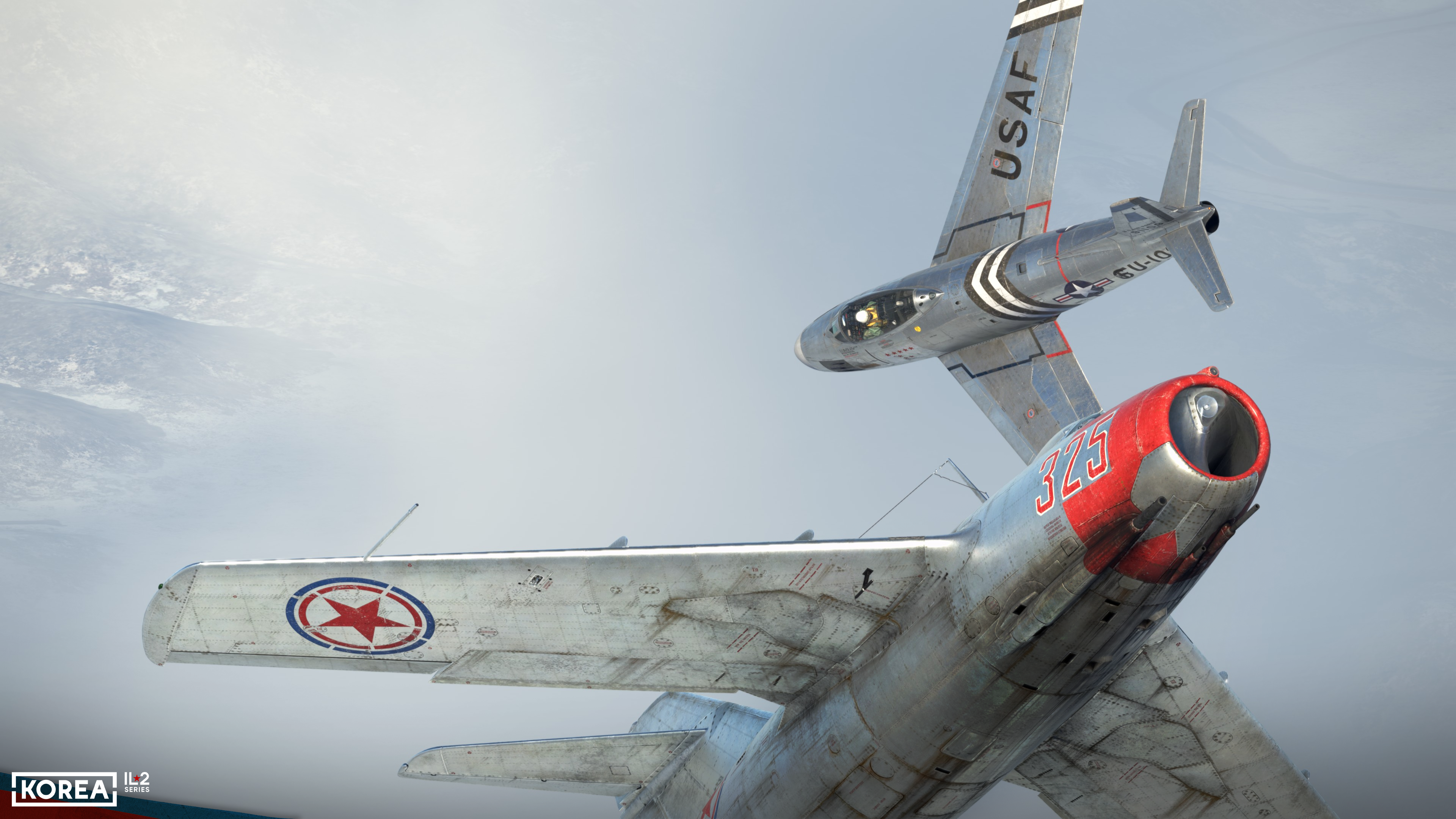
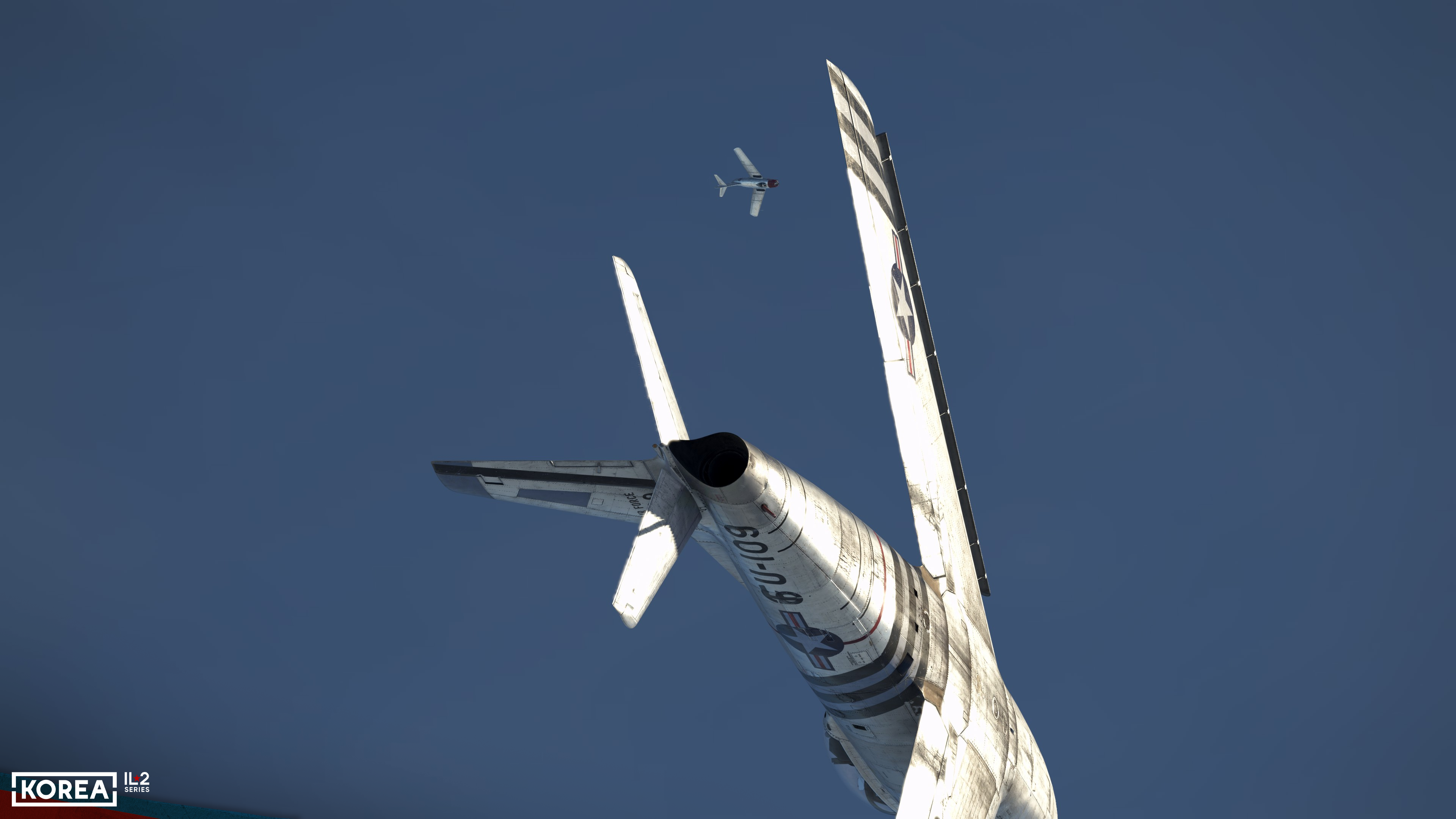
Today, we have a hot topic, one that truly stirs the minds and hearts of all combat aviation enthusiasts! Which aircraft is stronger in aerial combat: the MiG-15bis or the F-86A Sabre? We will try, and most likely somewhat fail, to answer this question. After all, we should make a disclaimer: in real air combat, everything is decided by pilot experience, the initial conditions of the engagement, the combat mission facing each side, and, of course, numerical advantage. As the French Marshal Jacques d'Étampes said: "God is always on the side of the heaviest battalions." Nevertheless, we will examine the combat situation that players often face in flight simulators, and here, of course, we will be able to provide some answers.
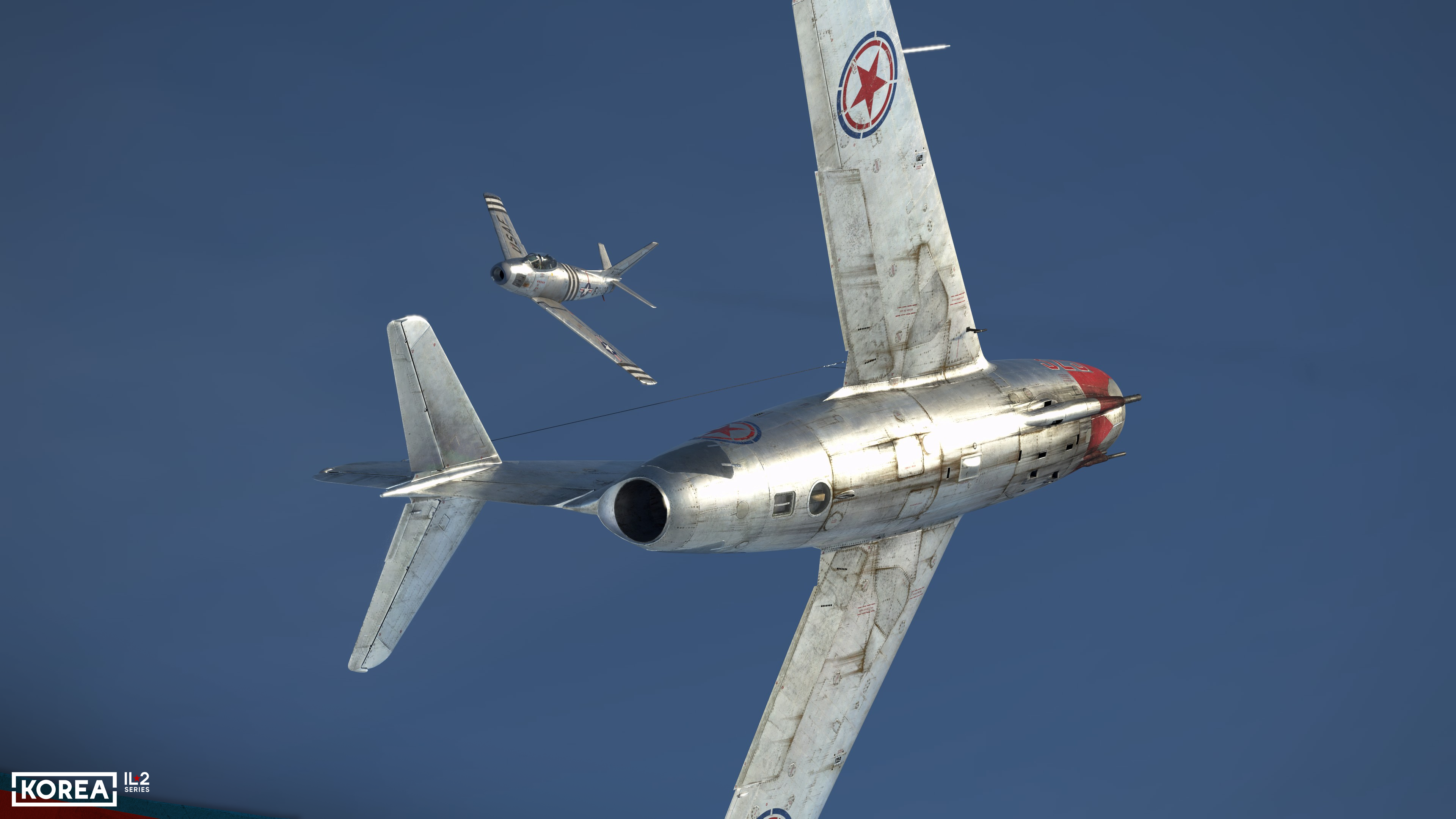
First, it should be mentioned that the MiG-15 was initially created as an interceptor. The Soviet Union knew its future Cold War adversary perfectly well. That adversary’s main power, armadas of heavy four-engine bombers which are covered by multiple long-range fighters, was well known to everyone. To counter that strategy, there was a need for an aircraft that was fast and armed with weapons capable of destroying a heavy target on the first pass. The aircraft had to be high-altitude: it had to initiate an attack run from a great height, outside the reach of the enemy escort, picking up maximum speed by the moment of opening fire. The MiG-15, featuring a ceiling of 15 kilometers, a speed of up to Mach 1, and heavy armament of two 23 mm and one 37 mm rapid-fire cannons, was fully up to this task.
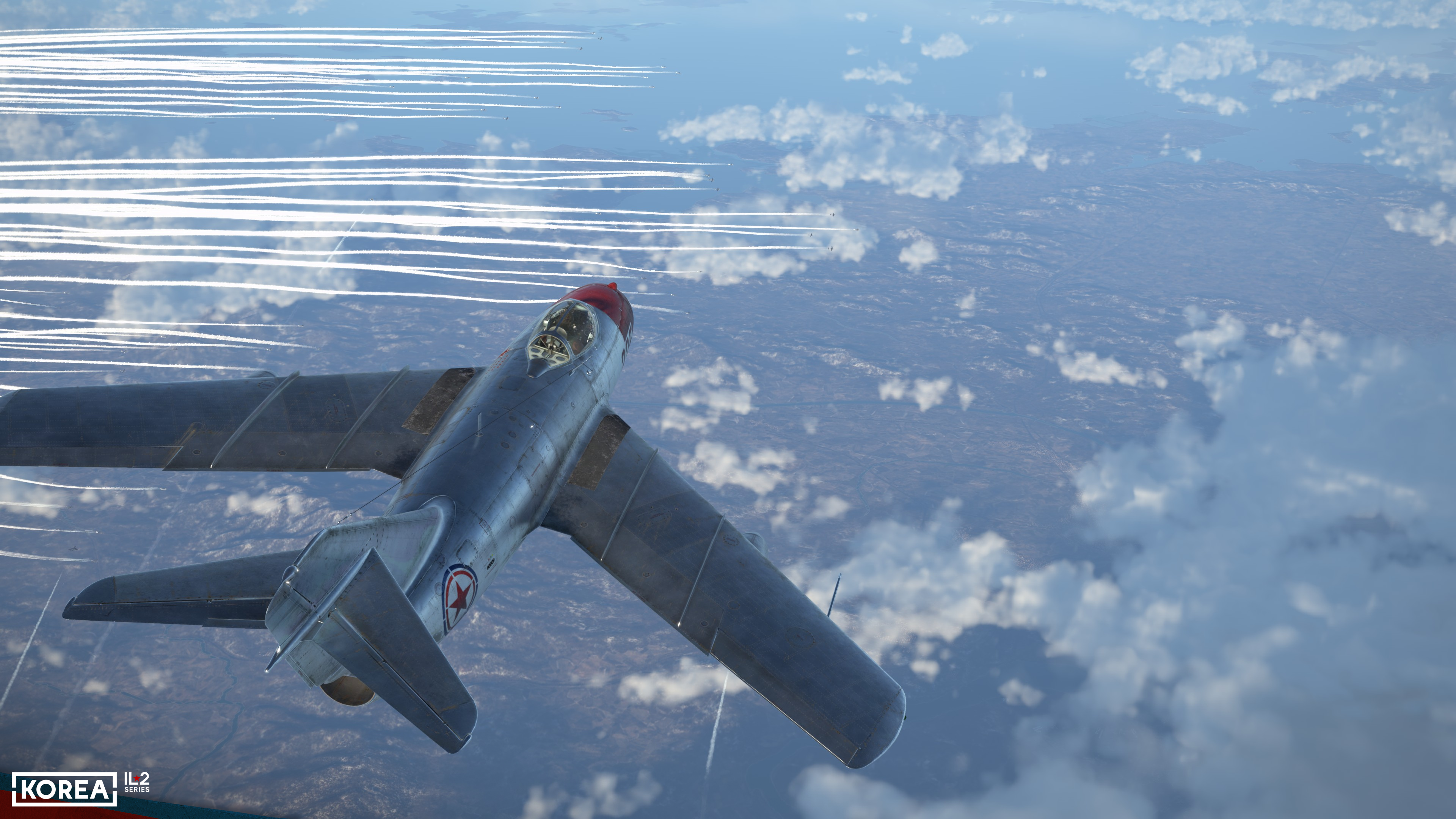
The Sabre, in turn, was created as a fighter. Its main goal was to combat enemy interceptors and fighters, to gain air superiority, and to cover those very armadas of bombers. The Soviet Union had few heavy bombers, so the Sabre’s design differed from that of the MiG. The Sabre’s most important aspects were maneuverability, extended flight range, a large ammunition capacity for prolonged air combat, a high rate of fire for the destruction of small, agile targets (as well as the equipment that allowed accurate aiming against such targets), and the best possible cockpit visibility to detect them. All these tasks were solved brilliantly for the Sabre.

If we compare a duel between the two fighters, we start with a comparison of horizontal maneuverability and "agility." The Sabre’s turn time is somewhat lower than the MiG’s, and its roll rate is somewhat higher. This is achieved through a larger wing area (lower wing loading) and the high-lift devices on its leading edge (slats). Furthermore, the slats enable the Sabre to perform significantly more energetic turns, right at the limit of G-load. The slats allow it to reach angles of attack of up to 20°, whereas the MiG can only reach 14°, after which a stall occurs. Thus, the Sabre can pull more energetically onto a target or break away from an attack with a sharper maneuver.
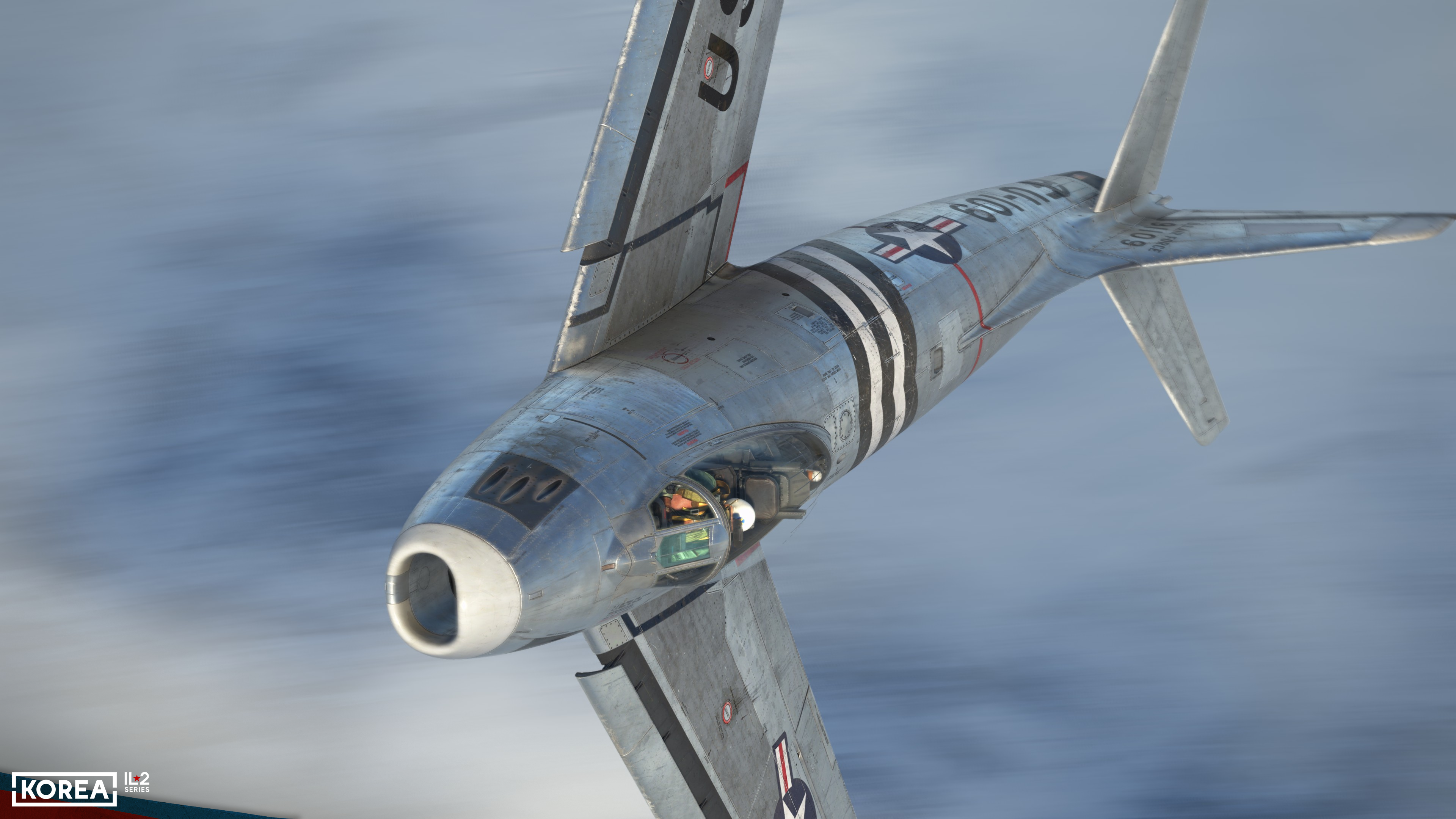
When it comes to climbing, the MiG has a significant advantage. When the aircraft is close to the ground, it is not yet noticeable, but at higher altitudes, the advantage becomes decisive. This is a consequence of the VK-1 engine’s thrust being a quarter greater than that of the J47-GE-13 engine, as well as the MiG’s lower combat weight (takeoff weight is 1,300 kg less): at high altitudes, this yields an advantage of up to a third in the rate of climb. For the same reason, the MiG has noticeably better acceleration dynamics, although the maximum flight speed of both aircraft is more or less identical. The maximum flight altitudes (ceilings) are also identical: both aircraft are around 15 kilometers.
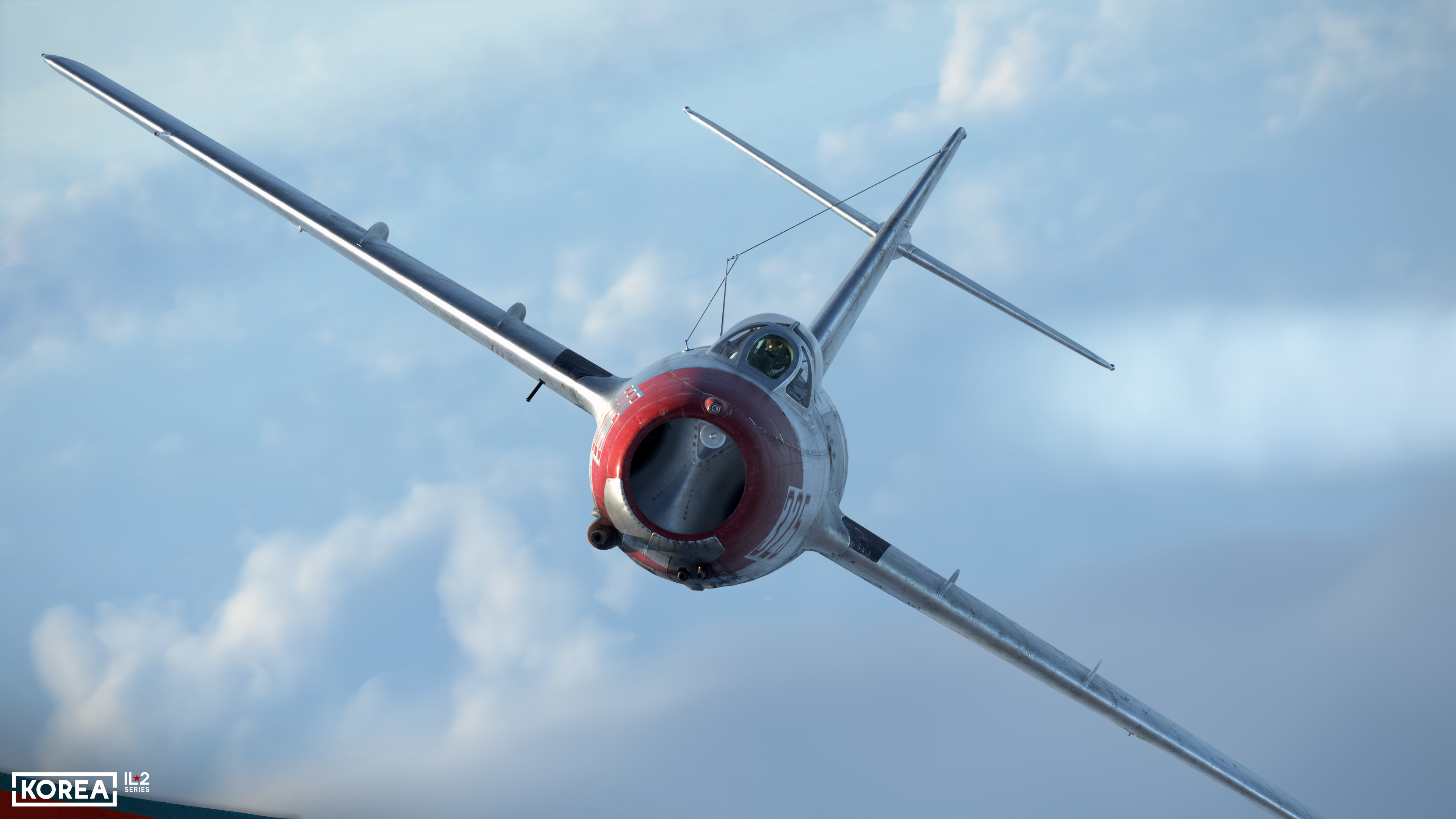
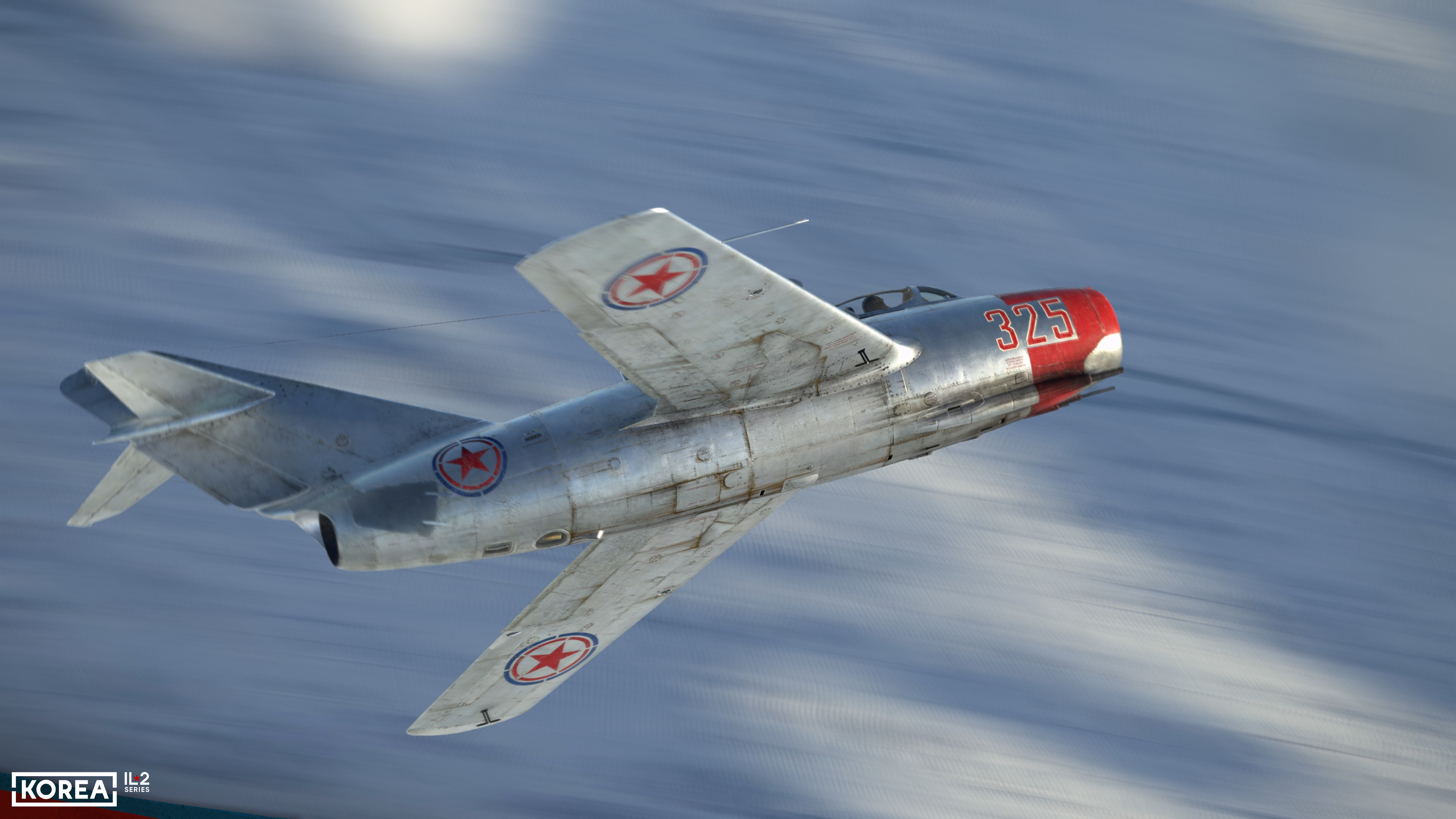
In combat, it can be important to break away quickly from an enemy to subsequently turn around and attack again. Diving at maximum speed is the best way to do this. And here, the Sabre has a significant advantage: at low altitudes, it possesses a greater control margin at high Mach numbers thanks to its flying tailplane and speed brakes, the deployment of which creates a noticeable nose-up pitching moment. This allows the Sabre pilot to extend the dive further, pulling out considerably later than the MiG pilot.
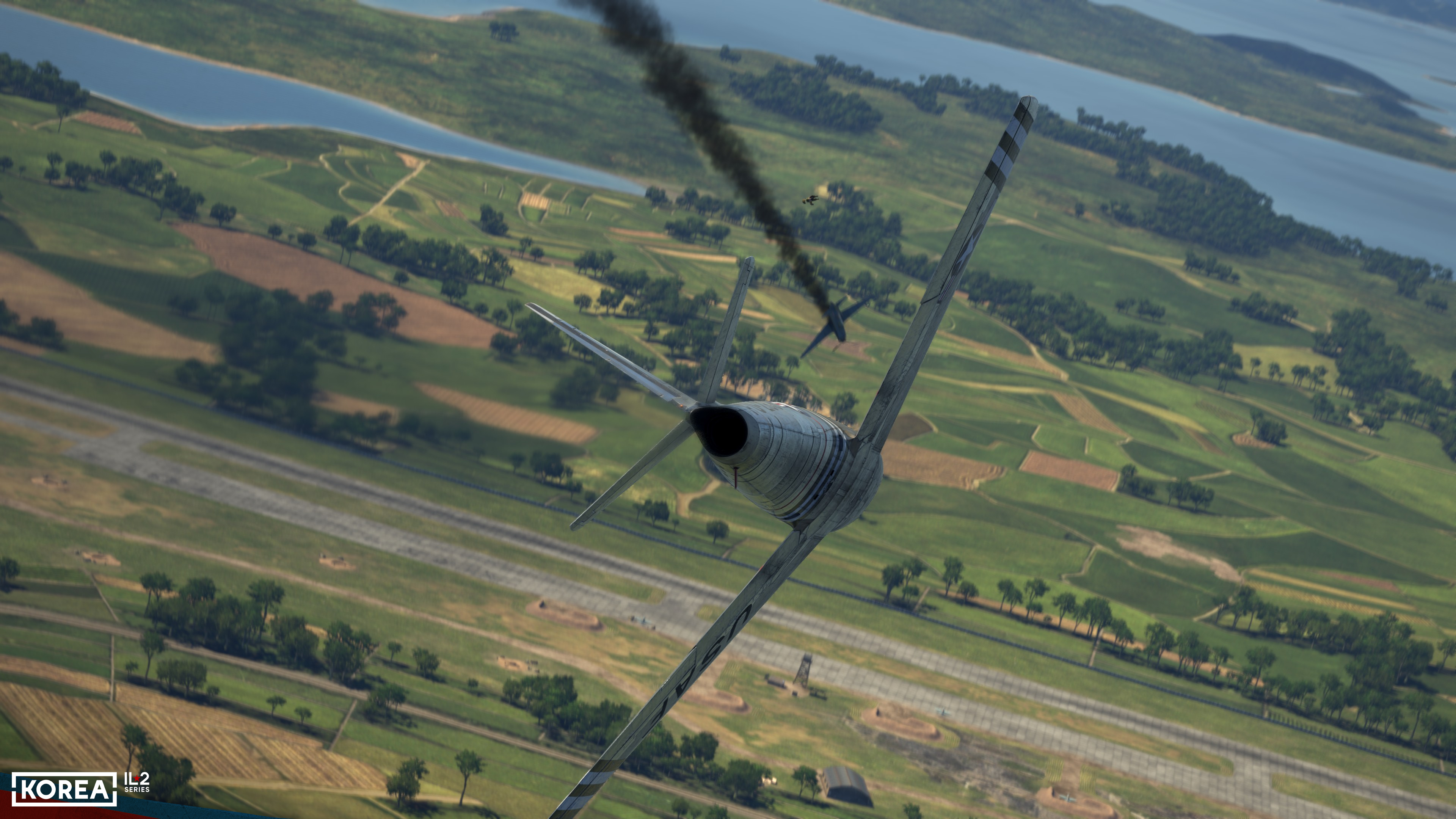
Interestingly, while the Sabre has a very significant advantage in abrupt maneuvering at medium and low speeds due to a quarter greater maximum angle of attack, the MiG somewhat surpasses it in agility at high speeds. This is caused by the MiG having a noticeably higher maneuvering G-limit: after all, the Sabre has a limit of 7 G, and it is recommended not to exceed 6. One should not, however, think that at 7 G the aircraft will fall apart: the limit is set by a standard safety margin. The true destructive G-load for the MiG is 12 G, and for the Sabre it’s around 10 G. This means that in combat, both pilots can pull 8−9 G (the pilot will not be able to endure the higher G). But the Sabre pilot will first be reprimanded for this (the aircraft will need to undergo a technical inspection and rigging due to the exceeded limit), and second, the pilot has a much higher chance of making a mistake and reaching a G-load capable of destroying the aircraft.
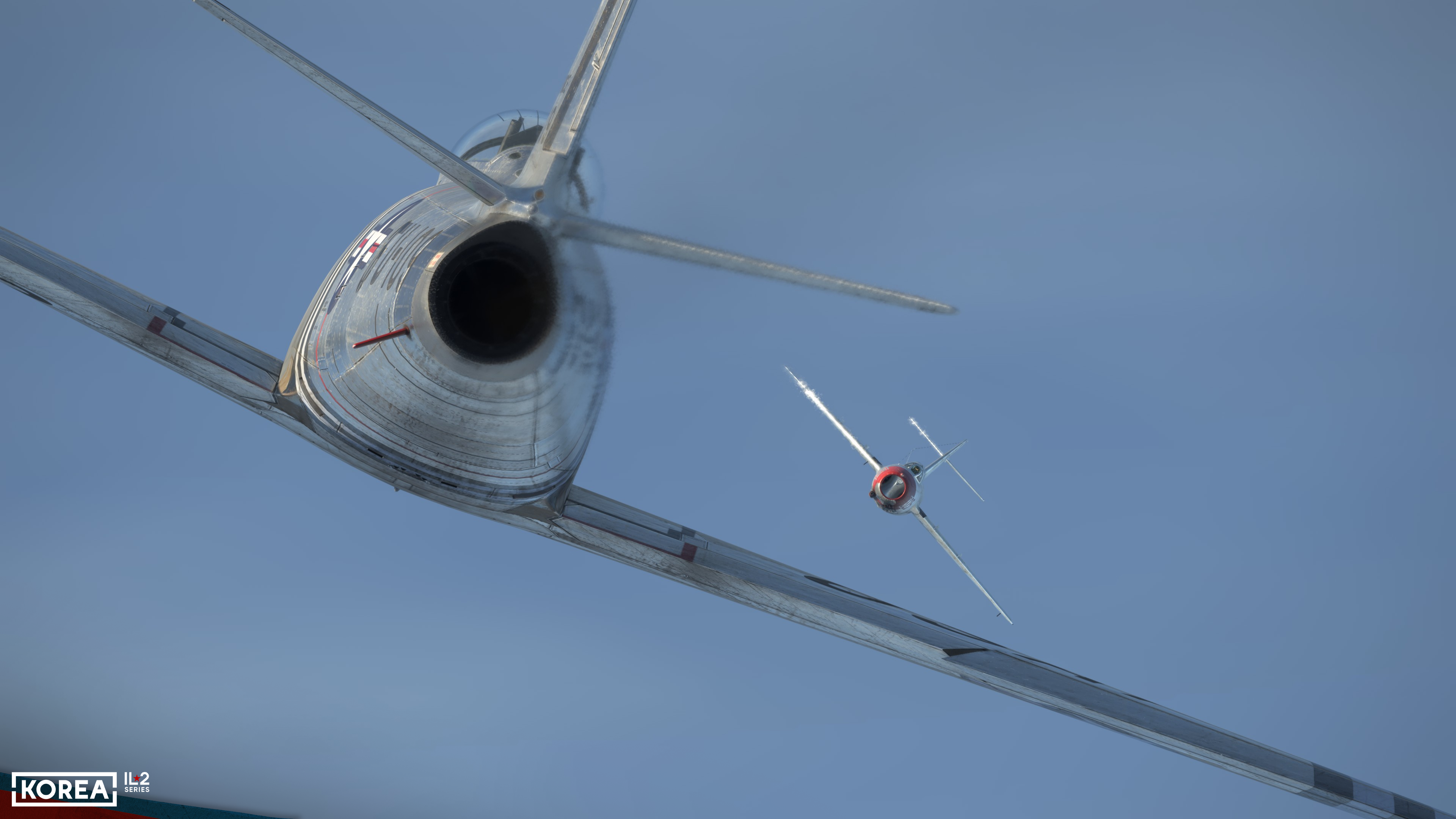
The problem of operational G-loads in air combat is significantly influenced by pilot equipment. Starting from the second half of 1944, anti-G suits became standard equipment for American fighter pilots. By compressing the lower part of the pilot’s body through pneumatic inflation, these suits helped them to tolerate G-loads up to 1.5 times more freely than without them. This mainly concerns not the maximum G-load (which is still limited by the airframe), but the time during which the pilot can endure G-loads while maneuvering. In the Soviet Air Force, this equipment had only begun to appear during 1953, the last year of the war in Korea. Overall, the Soviet anti-G suits were copies of the American ones and shared the same characteristics.
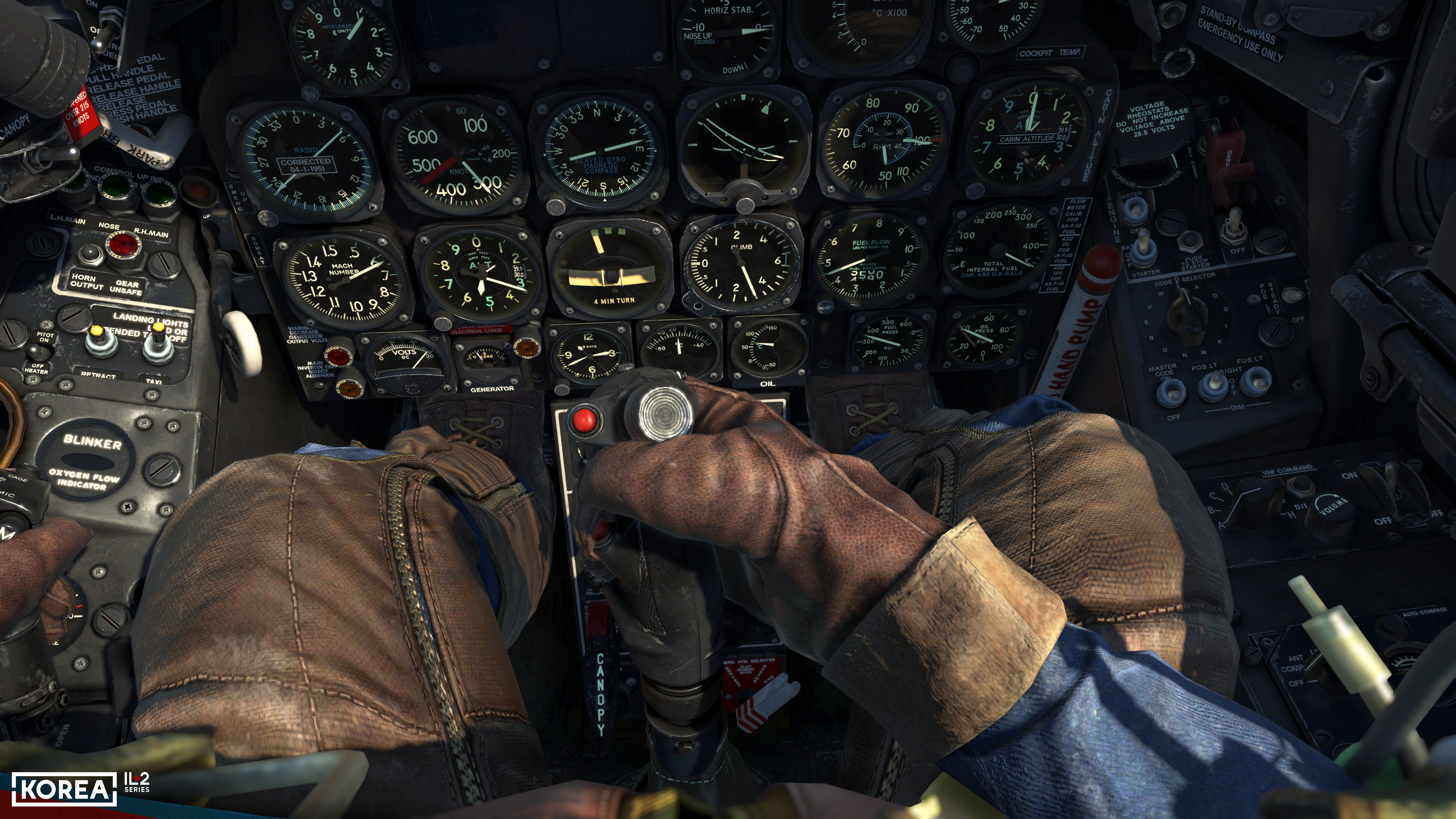
Interestingly, both aircraft have control problems at transonic speeds. The MiG-15 has a roll-wing drop, which occurs due to insufficient wing torsional stiffness, as well as roll reversal caused by rudder pedal input: at low speeds, the aircraft rolls in the direction of the pedal; above Mach 0.7, it begins to roll in the opposite direction. The Sabre has a more critical problem: at high speeds, it experiences pitch-up, where a seemingly small control input leads to a significant spontaneous increase in angle of attack and G-load, which, coupled with its stricter G-limit, can create problems. In any case, pilots of both aircraft must exercise maximum caution when flying at high speeds.
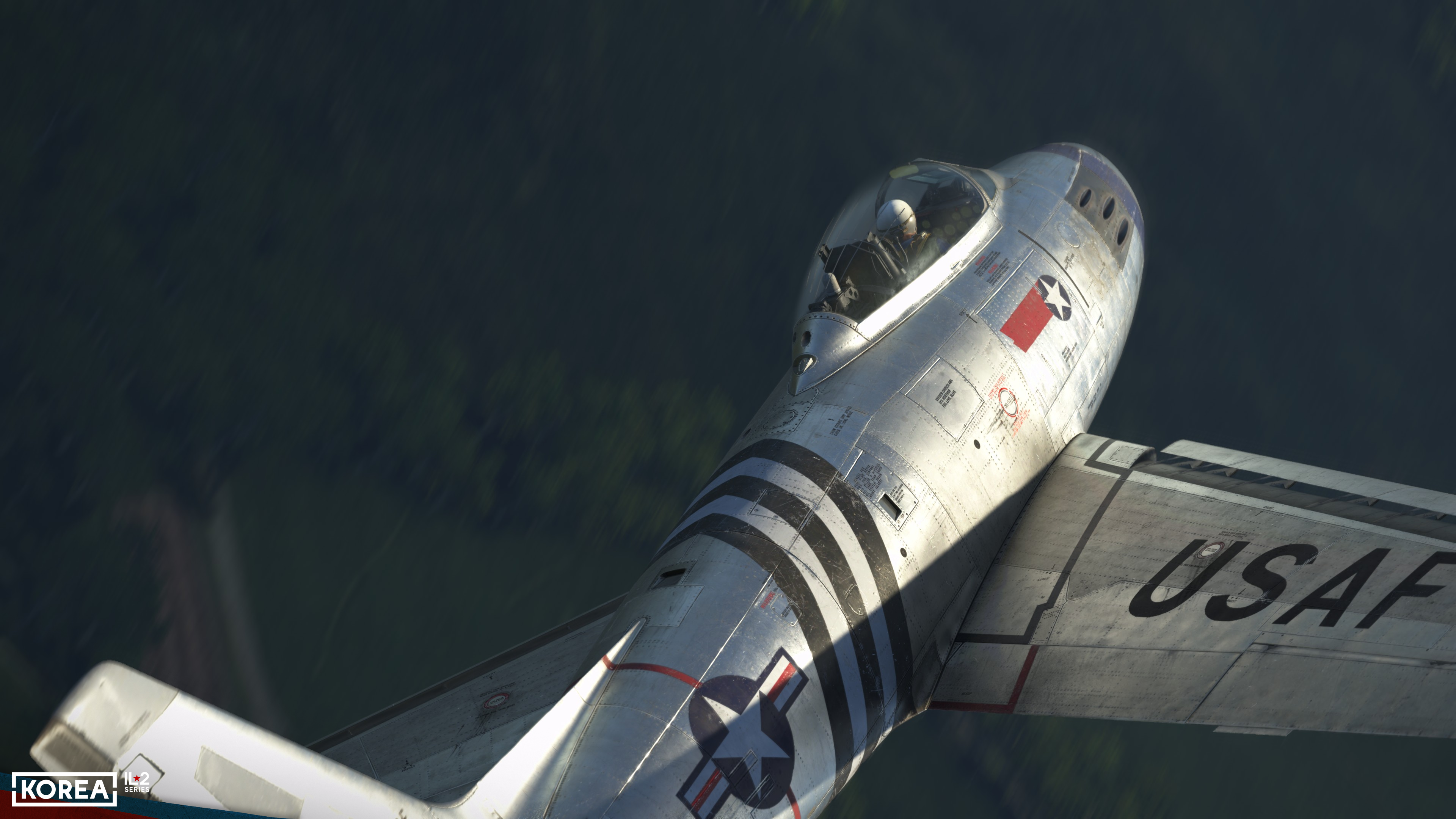
In terms of dueling air combat, such an important aircraft parameter as cockpit visibility should be noted. In this sense, the Sabre, of course, had a huge advantage. Its canopy, made of high-quality plexiglass with a not-too-thick windscreen frame and a sliding section without a central frame, provided the best visibility at the time. With the A-1CM gunsight installed, forward visibility was significantly improved, as it did not obstruct the windshield’s field of view at all. The rear-view mirror is mounted so that its attachment points do not obstruct the view. The wide canopy also increases the pilot’s ability to view the aircraft’s rear hemisphere. It should be noted that the MiG, of course, lacks all these advantages.
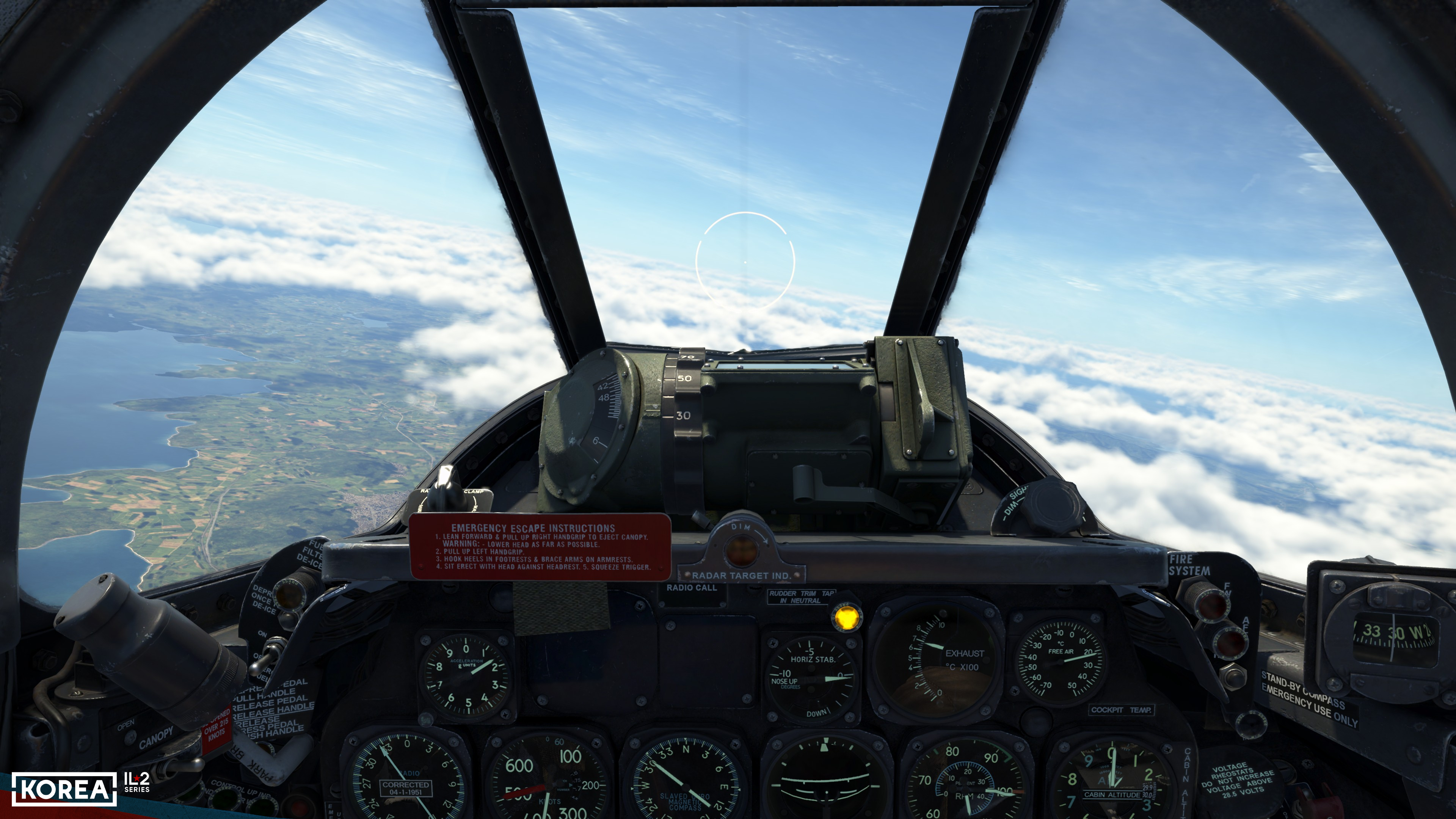
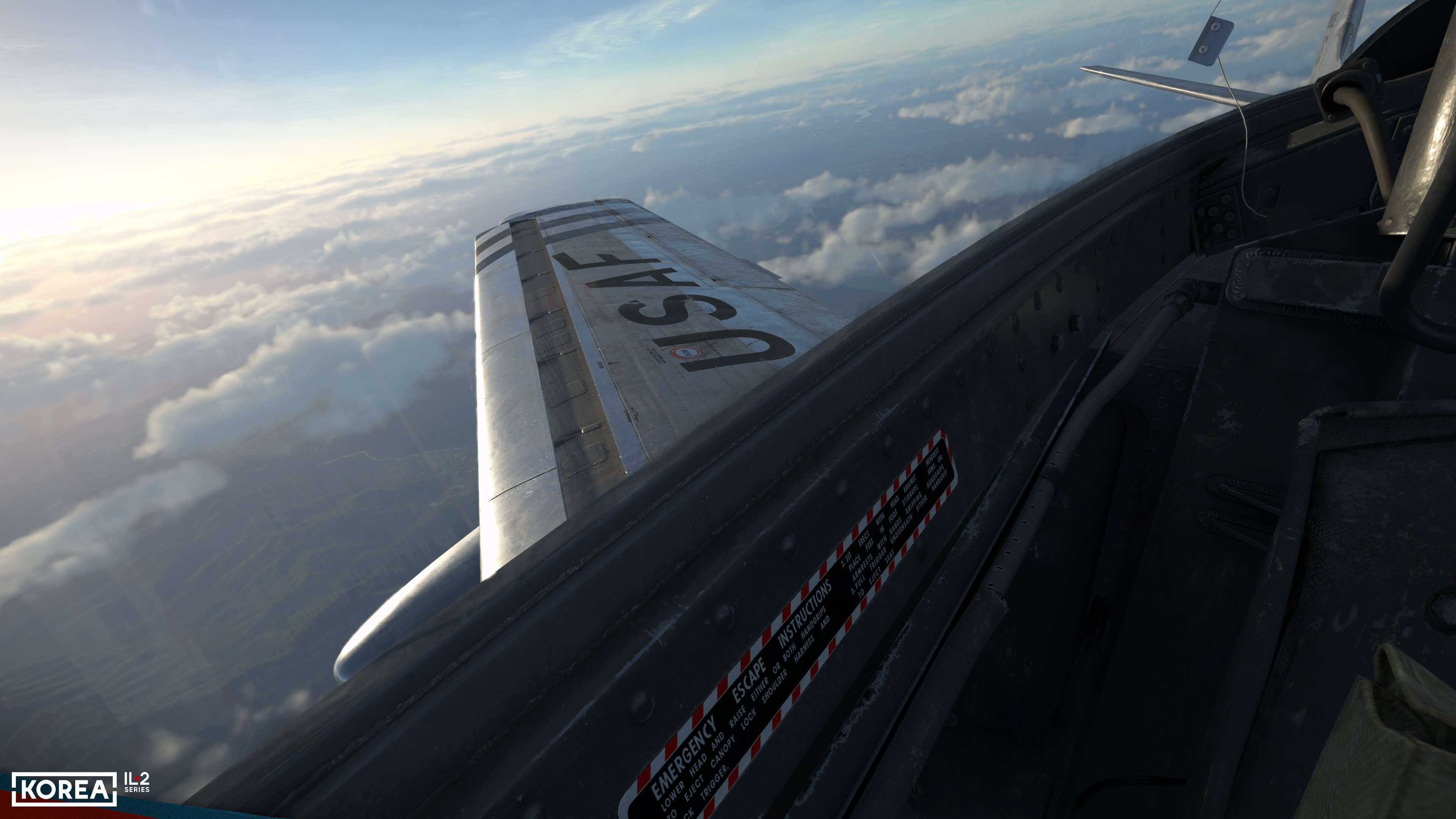
The aforementioned A-1CM gunsight (an improved and perfected version of the A-1 sight) was gyroscopic, with automatic data input from a linked radio rangefinder. This creates a great advantage in firing accuracy during high-speed maneuvering combat. With this sight and a large ammunition capacity, the Sabre pilot could fire at much greater lead angles, which is extremely important in a turning engagement. However, the presence of a radar warning system on the MiG-15bis leads to a situation where, when performing a stealthy attack, it is better for the Sabre pilot not to use the radio rangefinder until the moment the enemy clearly spots him. The main difficulty here is that the radio rangefinder was activated by the Master Arm switch, which also deactivates the armament. Therefore, conducting a stealth attack was significantly complicated: after all, the Master Arm had to be switched on just before opening fire.
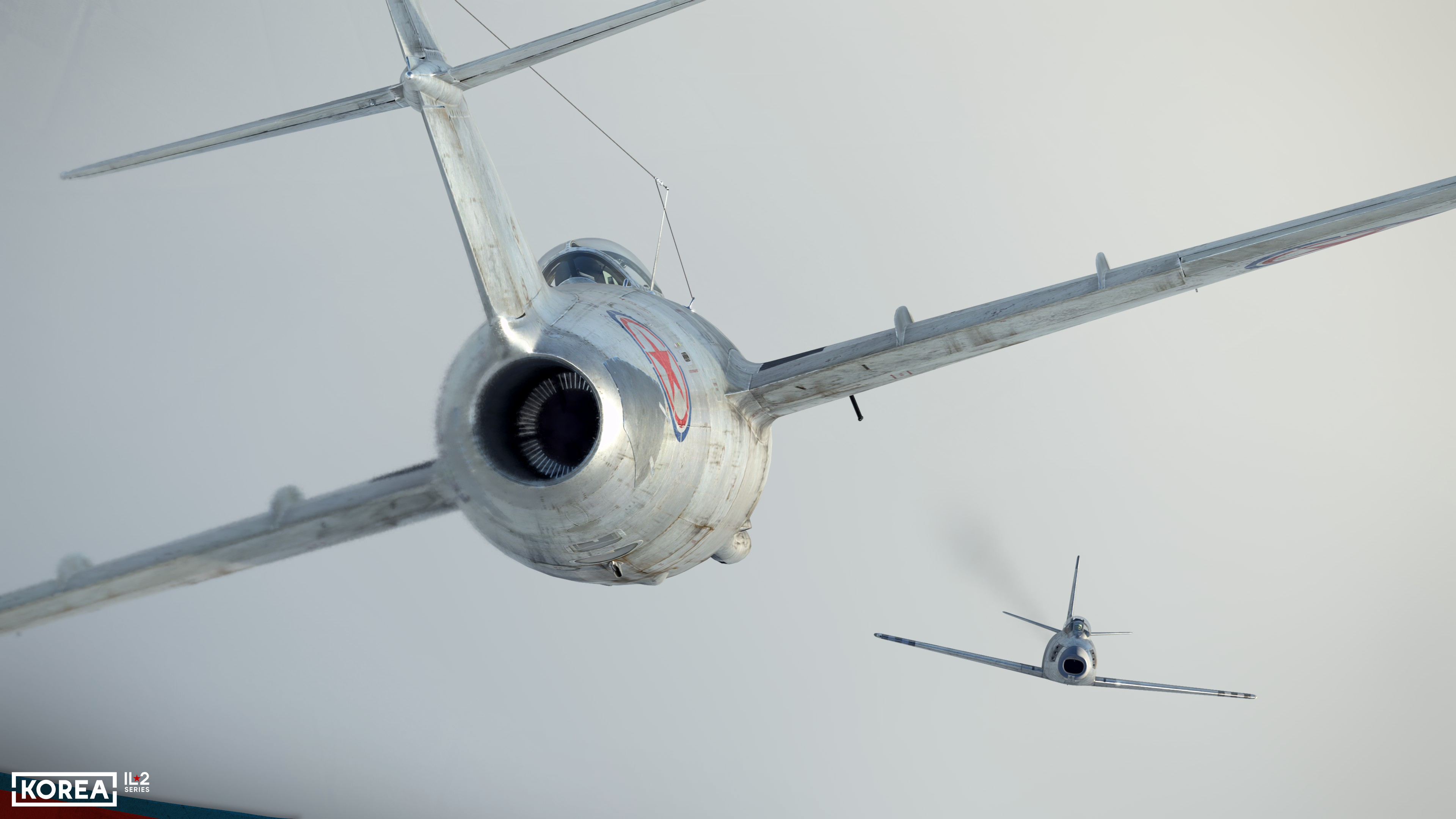
In addition to fighter qualities, the versatility of these aircraft should be compared. The MiG had a maximum combat load of only 365 kg, of which 120 kg was the ammunition for the cannons. Two 100-kilogram bombs did not give it great strike capabilities.
Meanwhile, the Sabre’s combat load reached 1,050 kg: it could carry a wide array of bombs and rockets, including 1,000-pound M65 bombs and up to 16 HVAR rockets. The strike aircraft role was entirely within its capabilities, which were actively used by the Americans near the end of the war, when the intensity of air battles noticeably subsided.
The MiG-15's range with drop tanks was 1,860 km, and without them, 1,300 km. Moreover, bombs could not be carried together with drop tanks. The Sabre, with its large 245-gallon tanks, could achieve a range of 2,500 km, but it could not carry rockets or bombs at the same time. However, with the small 120-gallon tanks, it could carry rocket armament while possessing a range of up to 1,800 km at economical settings.
Meanwhile, the Sabre’s combat load reached 1,050 kg: it could carry a wide array of bombs and rockets, including 1,000-pound M65 bombs and up to 16 HVAR rockets. The strike aircraft role was entirely within its capabilities, which were actively used by the Americans near the end of the war, when the intensity of air battles noticeably subsided.
The MiG-15's range with drop tanks was 1,860 km, and without them, 1,300 km. Moreover, bombs could not be carried together with drop tanks. The Sabre, with its large 245-gallon tanks, could achieve a range of 2,500 km, but it could not carry rockets or bombs at the same time. However, with the small 120-gallon tanks, it could carry rocket armament while possessing a range of up to 1,800 km at economical settings.
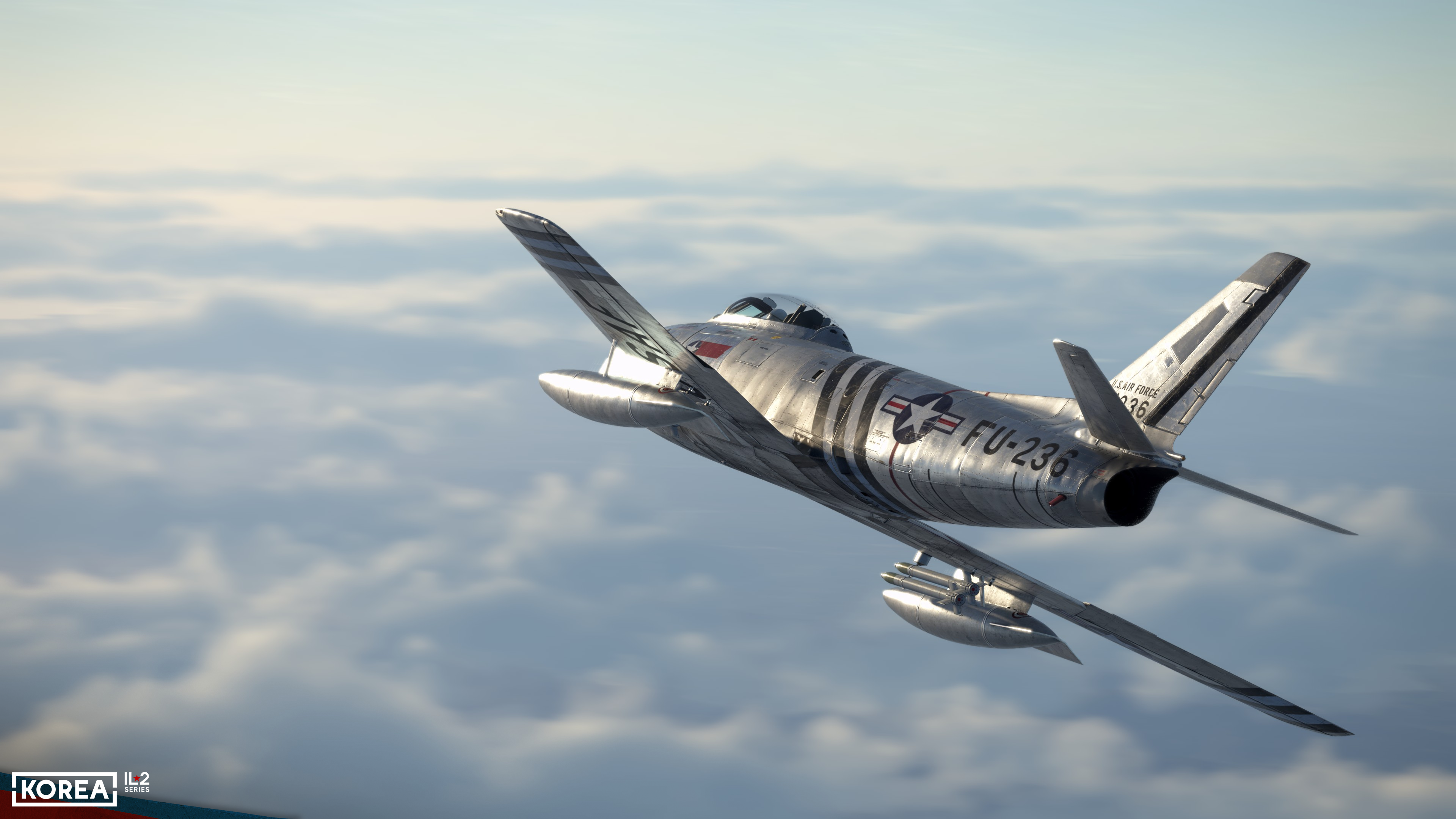
So, what is the answer to the question posed at the beginning of the episode: which aircraft is better in dueling air combat, the MiG or the Sabre? As you can see, giving an unambiguous answer is extremely difficult.
The MiG has a clear energy advantage: it can dictate the initial conditions of the fight. The Sabre, with its greater horizontal maneuverability, three times higher rate of fire and ammunition capacity, effective M1 incendiary bullets, a modern gunsight, and excellent visibility, is capable of accepting that fight. And if the MiG gets drawn into it, things may get tough for it.
However, if the MiG’s target is not the Sabre itself but the bomber it is covering, then by employing group hit-and-run tactics, it can make protecting those bombers extremely difficult for the enemy.
The MiG has a clear energy advantage: it can dictate the initial conditions of the fight. The Sabre, with its greater horizontal maneuverability, three times higher rate of fire and ammunition capacity, effective M1 incendiary bullets, a modern gunsight, and excellent visibility, is capable of accepting that fight. And if the MiG gets drawn into it, things may get tough for it.
However, if the MiG’s target is not the Sabre itself but the bomber it is covering, then by employing group hit-and-run tactics, it can make protecting those bombers extremely difficult for the enemy.
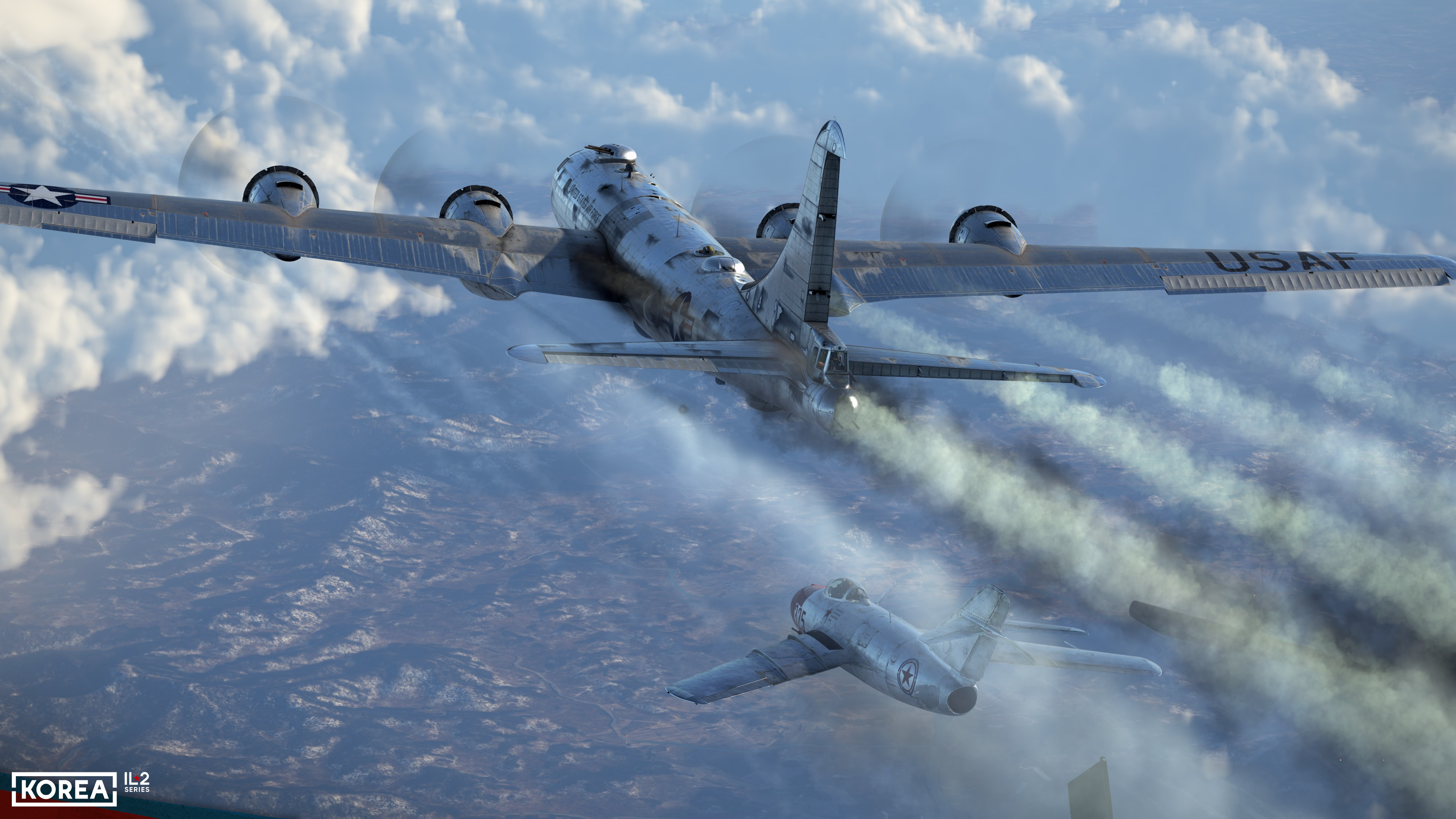
In general, as they say, "It's complicated" ©.
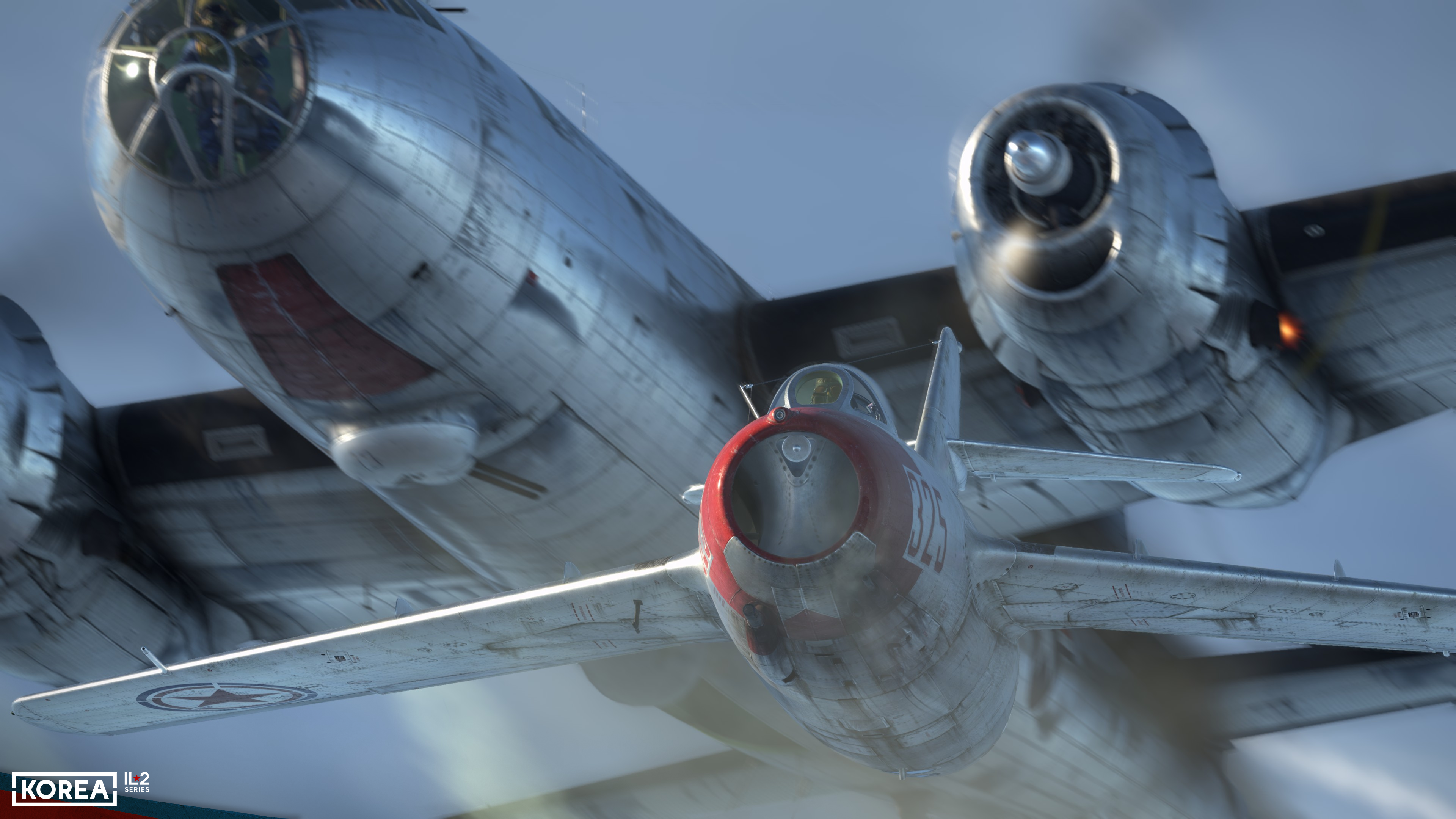
These two aircraft, on the one hand, are incredibly similar, and on the other, they are made with fundamentally different approaches and for different tasks. In some conditions, the Sabre is better; in others, the MiG. Only by knowing your aircraft thoroughly and the way it behaves under various conditions can you unlock its full potential.
And since so much depends on the pilots' knowledge, one can confidently say that these two aircraft are equal. This is a case where the balance of the confrontation is not artificially constructed, but drawn from life by reproducing the machines as they are.
The most obvious proof of this is that neither side of the conflict was the winner or the loser. These two aircraft are the symbol of the entire Korean conflict. And it is precisely because of this ambiguity, equality, and parity that this conflict and these aircraft represent that we became inspired and decided to start a new project. That is exactly why the rivalry between these aircraft is so interesting.
You will be able to test your skills in the clash between these two machines and choose the one that is best for you when Early Access starts on June 25.
We remind you that Early Access will be granted to everyone who pre-ordered the game on our website. Once again, a huge thanks to everyone who has already pre-ordered—you are magnificent! It is thanks to you that we can make history come alive.
And since so much depends on the pilots' knowledge, one can confidently say that these two aircraft are equal. This is a case where the balance of the confrontation is not artificially constructed, but drawn from life by reproducing the machines as they are.
The most obvious proof of this is that neither side of the conflict was the winner or the loser. These two aircraft are the symbol of the entire Korean conflict. And it is precisely because of this ambiguity, equality, and parity that this conflict and these aircraft represent that we became inspired and decided to start a new project. That is exactly why the rivalry between these aircraft is so interesting.
You will be able to test your skills in the clash between these two machines and choose the one that is best for you when Early Access starts on June 25.
We remind you that Early Access will be granted to everyone who pre-ordered the game on our website. Once again, a huge thanks to everyone who has already pre-ordered—you are magnificent! It is thanks to you that we can make history come alive.