


Dev Blog #83
Greetings, comrades!
The release is just around the corner.
Korea: IL-2 Series is coming next week, along with a new patch. We’re continuing to improve it daily, testing it, and fixing bugs so that it looks and works even better on launch day. And one of the things we’re still working on, which we haven’t yet discussed in detail in our blogs, is effects.
We’ve mentioned this part of the project occasionally. There was a diary about sounds, which partially showcased the new engine startup effects. There was also a separate diary dedicated to shooting.
The release is just around the corner.
Korea: IL-2 Series is coming next week, along with a new patch. We’re continuing to improve it daily, testing it, and fixing bugs so that it looks and works even better on launch day. And one of the things we’re still working on, which we haven’t yet discussed in detail in our blogs, is effects.
We’ve mentioned this part of the project occasionally. There was a diary about sounds, which partially showcased the new engine startup effects. There was also a separate diary dedicated to shooting.
We haven't yet had a full explanation of the effects system and its new features. We'll fix that today.
The effects in Great Battles were extremely outdated, both visually and technologically. They looked very static and unnatural, and they also suffered from performance issues. To achieve even a remotely pleasing visual impression from the effect and its dynamics, it was necessary to create a huge number of individual particles of the same type. After all, particle sprites aren't animated, so the movement of smoke, dust, and fire had to be simulated by creating an excessive number of them. There was also no way to combine glowing and non-glowing parts in a single particle type. This approach first made the effect believable and, second, placed an excessive load on the system, significantly reducing performance, especially near these systems.
New technologies have allowed us to move away from this outdated approach and improve both the performance and technological quality of effects, as well as their visual appeal. Effect particles now use animated sprites; both regular and illuminated parts can be combined within a single sprite using a mask; the frame rate of effects has increased. Furthermore, the toolset for creating effects has been further improved. This has also impacted our capabilities and allowed us to implement these new approaches.
The effects in Great Battles were extremely outdated, both visually and technologically. They looked very static and unnatural, and they also suffered from performance issues. To achieve even a remotely pleasing visual impression from the effect and its dynamics, it was necessary to create a huge number of individual particles of the same type. After all, particle sprites aren't animated, so the movement of smoke, dust, and fire had to be simulated by creating an excessive number of them. There was also no way to combine glowing and non-glowing parts in a single particle type. This approach first made the effect believable and, second, placed an excessive load on the system, significantly reducing performance, especially near these systems.
New technologies have allowed us to move away from this outdated approach and improve both the performance and technological quality of effects, as well as their visual appeal. Effect particles now use animated sprites; both regular and illuminated parts can be combined within a single sprite using a mask; the frame rate of effects has increased. Furthermore, the toolset for creating effects has been further improved. This has also impacted our capabilities and allowed us to implement these new approaches.
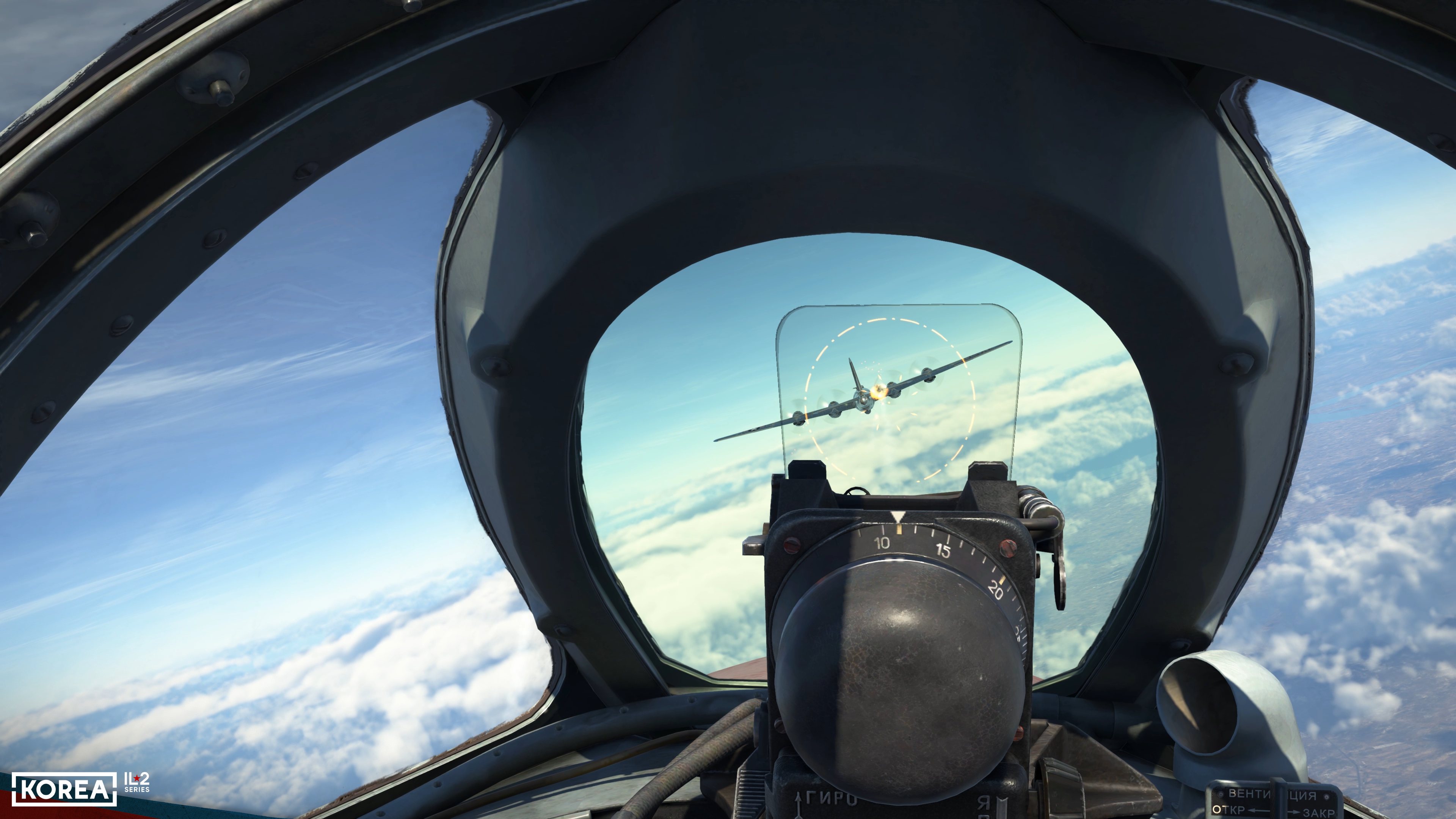
Some effects were already updated at the start of Early Access: smoke tracers, the tracers themselves, and a few other effects. But, as we mentioned earlier, a significant portion of the effects in Early Access are still temporary: they were created using older approaches and exist solely to fill in the gaps. Even during Early Access, we’re gradually replacing these effects—this improves visuals and increases performance. You can already appreciate the performance gains from the new approach in the latest released patch, when we updated some of the old, high-load effects with new ones. In the B-29 interception scene, the frame rate on the test rig doubled, from 65 to 125. The main reason for this is the new approaches to effects.
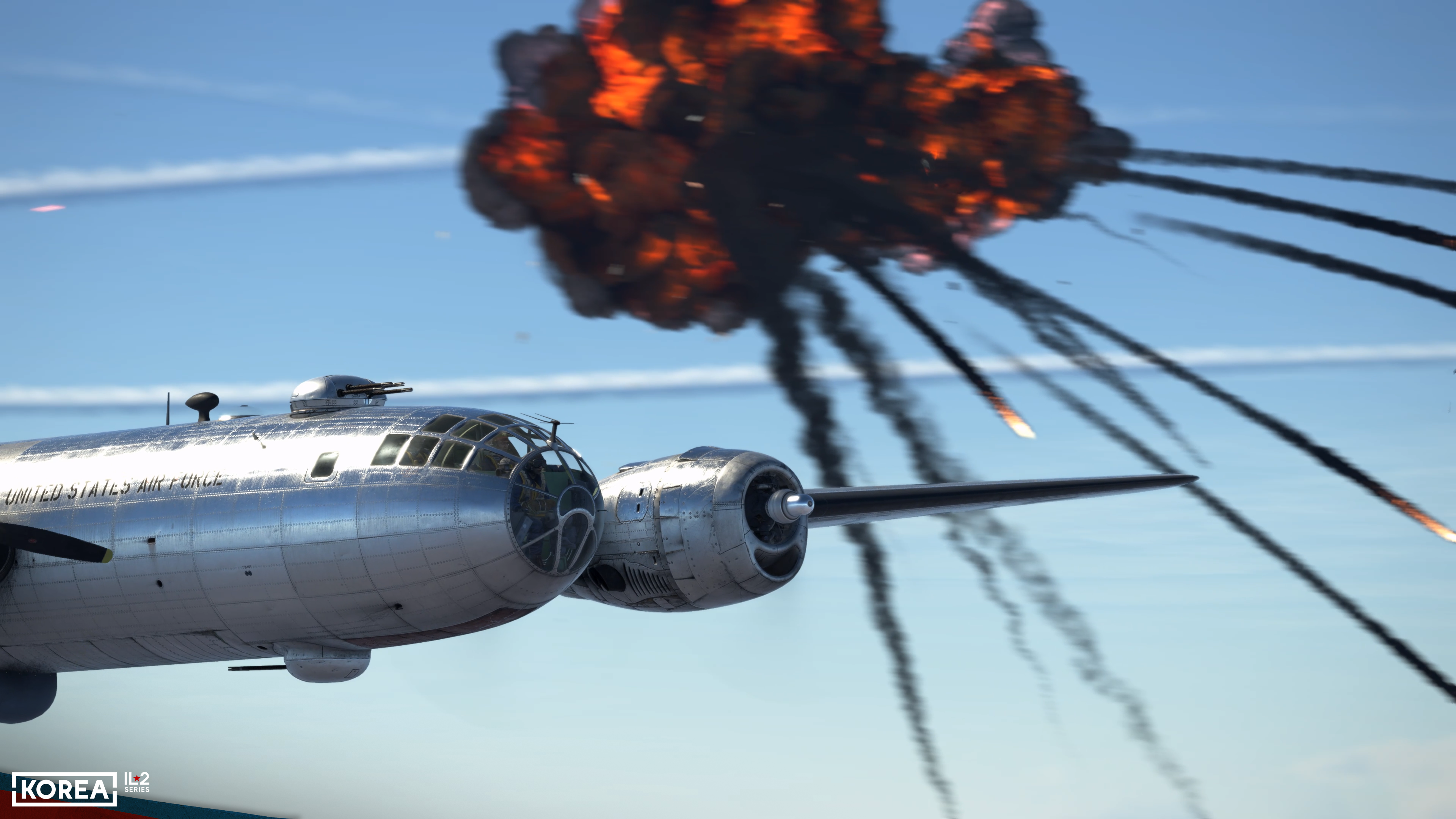
The previous patch improved smoke effects from gunfire, dust and moisture effects from aircraft, city smoke effects, aircraft explosion effects, collision effects, and many other effects.
We’re also preparing many more changes for the release update. You can check out some of them in this short video.
We’re also preparing many more changes for the release update. You can check out some of them in this short video.
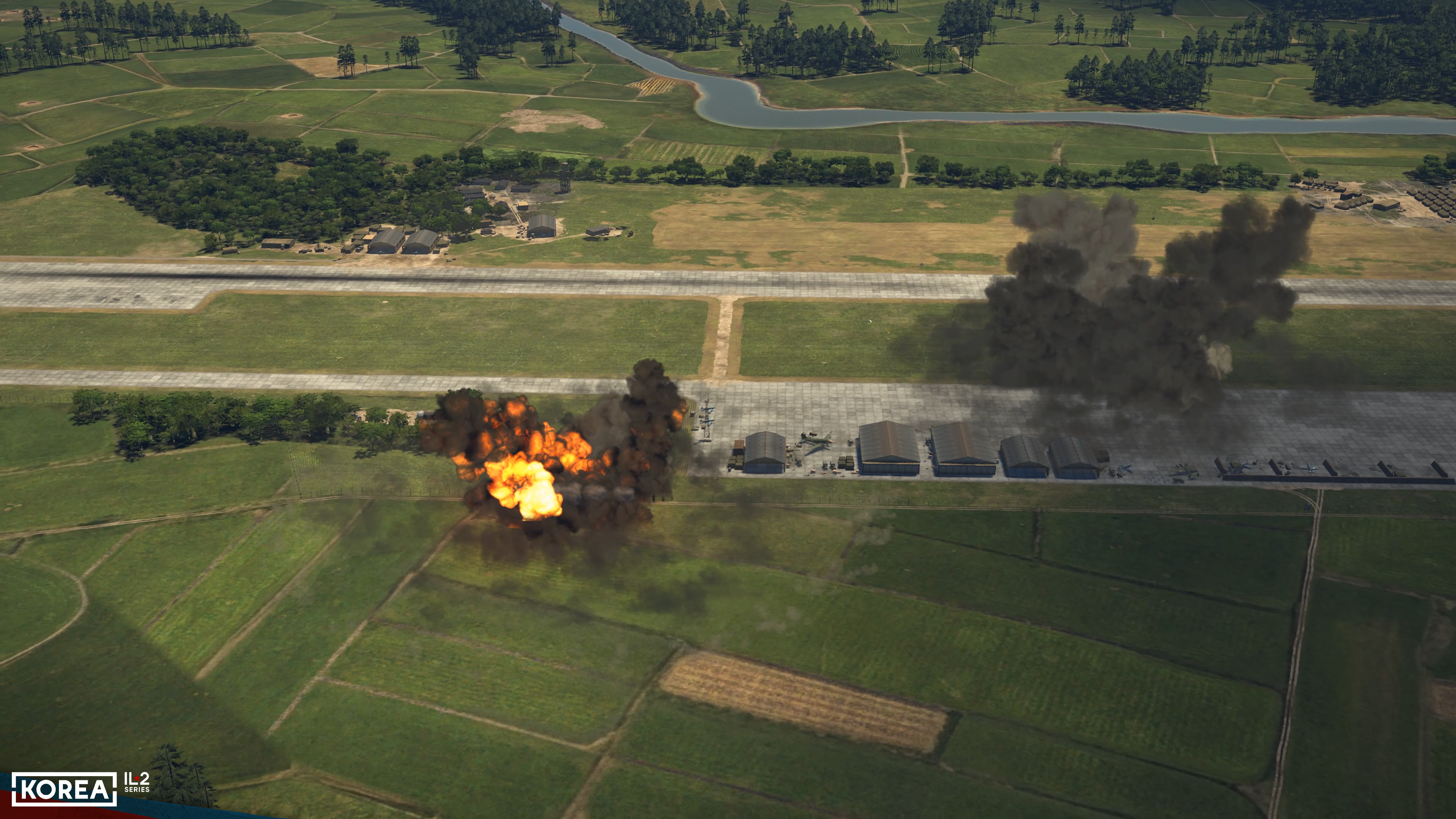
Bomb explosion effects are being refined. The blast wave will now appear less outlandish: it will raise a fine dust cloud. The explosion flash will be significantly more detailed and natural; over time, the burning debris will be buried in the rising dust cloud. Various debris and fragments will appear, flying in all directions, gradually losing speed, and settling to the ground. Explosions will now have more varied and complex shapes.
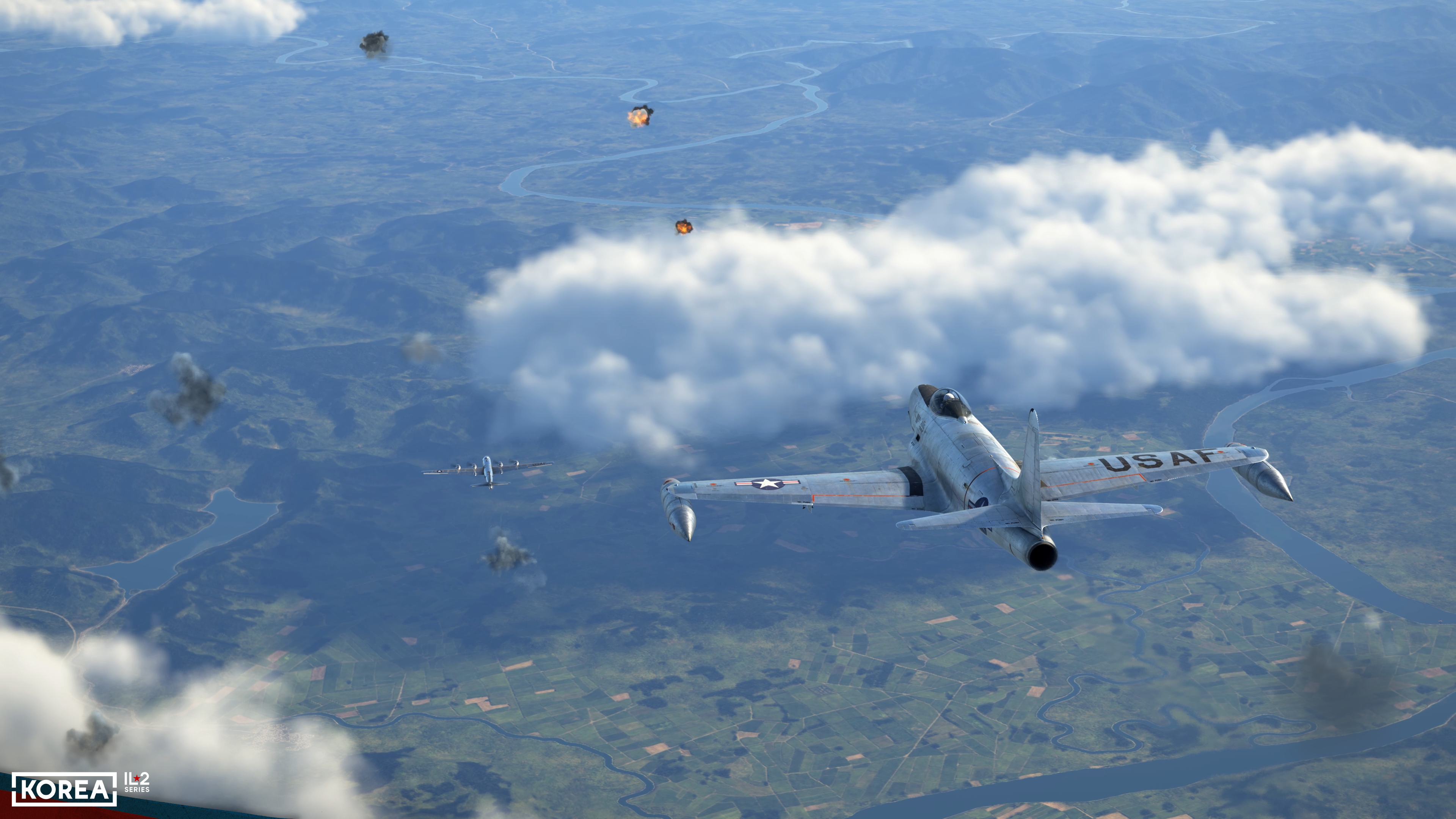
Similar changes will also affect anti-aircraft gun explosions. They no longer appear as a perfectly smooth sphere; their shape is more complex, typical of this type of explosion. At the moment of explosion, after the flash, smoke continues to rise upward for some time — due to inertia and convection, with the smoke swirling in certain areas of the effect. Overall, the explosion dynamics will better match a real explosion. Footage of massive anti-aircraft fire on a formation of flying aircraft will now look even more like footage from a historical chronicle.
And where would we be without hits on aircraft? Now it's easy to distinguish between shell types: high-explosive hits are significantly different from armor-piercing hits. The bursts differ in flash, size, duration, detail, and color. Armor-piercing hits are lighter and more transparent, as they only penetrate; they produce a small flash, few sparks, and little smoke. High-explosive hits have a characteristically large flash, lots of smoke—both light and dark—and fragments. Incendiary hits leave more incendiary elements and burnt material. Now you can accurately determine what caused the most damage to the target in the crosshairs of your gunsight. Each hit type has a variety of dimensions corresponding to the caliber, the amount of explosive in the ammunition, and the number of fragments.
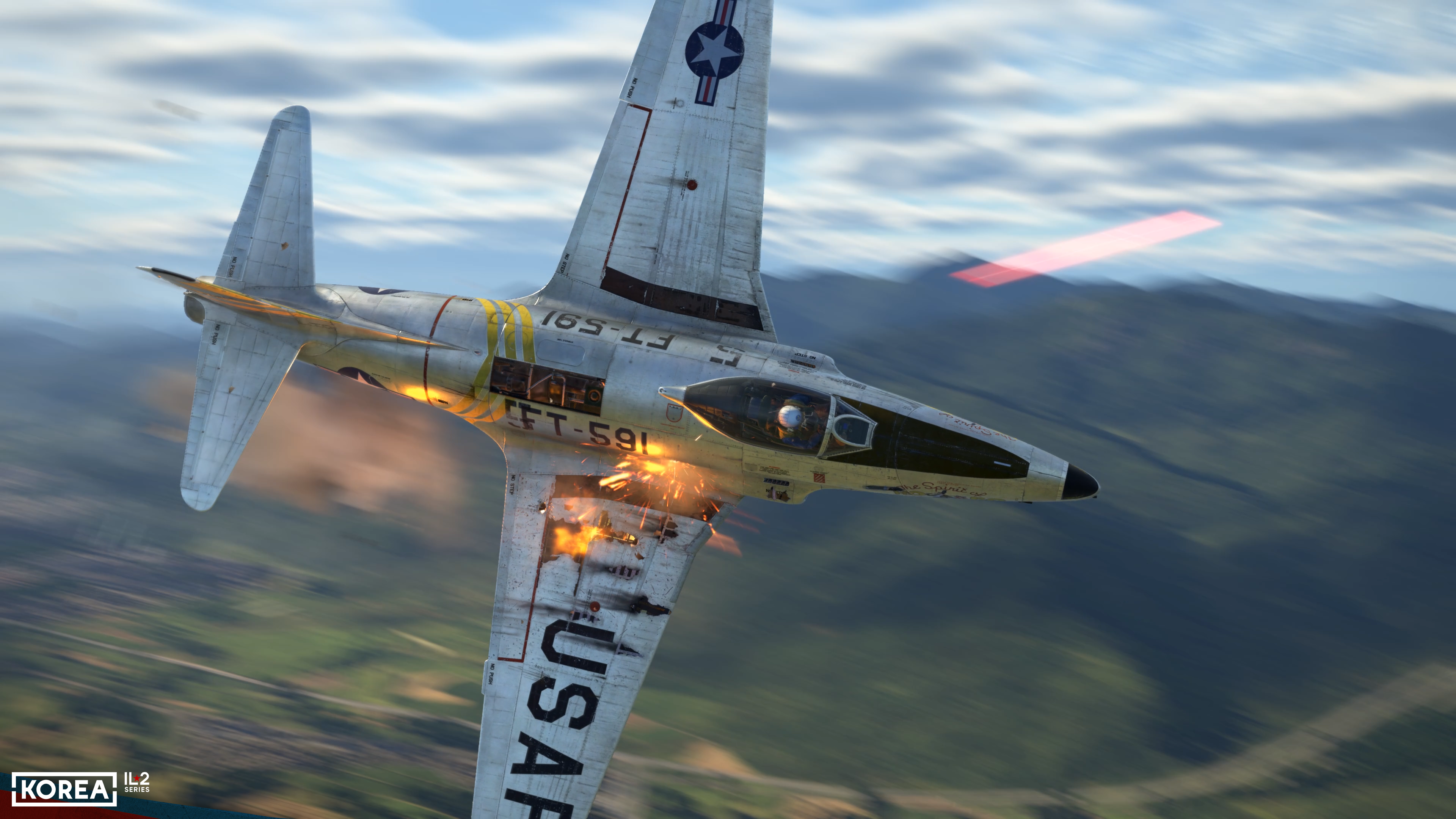
There will also be many smaller improvements: refinements to aircraft flames (they will be less spherical at the point of ignition), and various smoke effects. Not only does this look significantly more realistic, but it also puts significantly less strain on your hardware.
In addition to the release changes to the most important and frequently used effects, we are planning other changes in this area of the project. These will affect a range of effects that are less common in the current state of the project, but whose importance will increase with the launch of the first expansion.
To stay up-to-date on the latest news, stay tuned to our news and follow us on social media — Discord, Facebook, YouTube, Reddit, and X.
See you in the skies over Korea and happy hunting!
In addition to the release changes to the most important and frequently used effects, we are planning other changes in this area of the project. These will affect a range of effects that are less common in the current state of the project, but whose importance will increase with the launch of the first expansion.
To stay up-to-date on the latest news, stay tuned to our news and follow us on social media — Discord, Facebook, YouTube, Reddit, and X.
See you in the skies over Korea and happy hunting!