


Dev Blog #79
Greetings, comrades!
So, early access to Korea. IL-2 Series has begun! Now anyone who pre-ordered can try out our new project and see for themselves much of what we’ve been talking about in our diaries and briefings. We’ve received very positive feedback from those who have already flown over Korea, which we’re incredibly pleased about. This lets us know that all the effort we’ve put into creating this project has been worthwhile.
So, early access to Korea. IL-2 Series has begun! Now anyone who pre-ordered can try out our new project and see for themselves much of what we’ve been talking about in our diaries and briefings. We’ve received very positive feedback from those who have already flown over Korea, which we’re incredibly pleased about. This lets us know that all the effort we’ve put into creating this project has been worthwhile.
Your positive feedback gives us renewed energy for development. We see your interest, we see that you like what we’re doing, and that’s very motivating. And this motivation is necessary, because even though the results are already good, it’s too early to relax: we still have a lot to do. That’s why we want to talk about our immediate plans today.
Our plans can be divided into two areas. First, these are things we originally planned to do—things that were initially included in the project’s release state. Second, these are unforeseen improvements discovered during the project’s testing process: bugs that can only be found through extensive testing, new data, or feedback-driven discoveries. For the second type of task, we’ve allocated time. The unforeseen aspect of these tasks is their specificity (though not the fact that they even exist). Overall, this is one of the reasons we decided to release Korea on August 4th rather than earlier. Each of the following items contains elements from both the first and second areas.
Our plans can be divided into two areas. First, these are things we originally planned to do—things that were initially included in the project’s release state. Second, these are unforeseen improvements discovered during the project’s testing process: bugs that can only be found through extensive testing, new data, or feedback-driven discoveries. For the second type of task, we’ve allocated time. The unforeseen aspect of these tasks is their specificity (though not the fact that they even exist). Overall, this is one of the reasons we decided to release Korea on August 4th rather than earlier. Each of the following items contains elements from both the first and second areas.
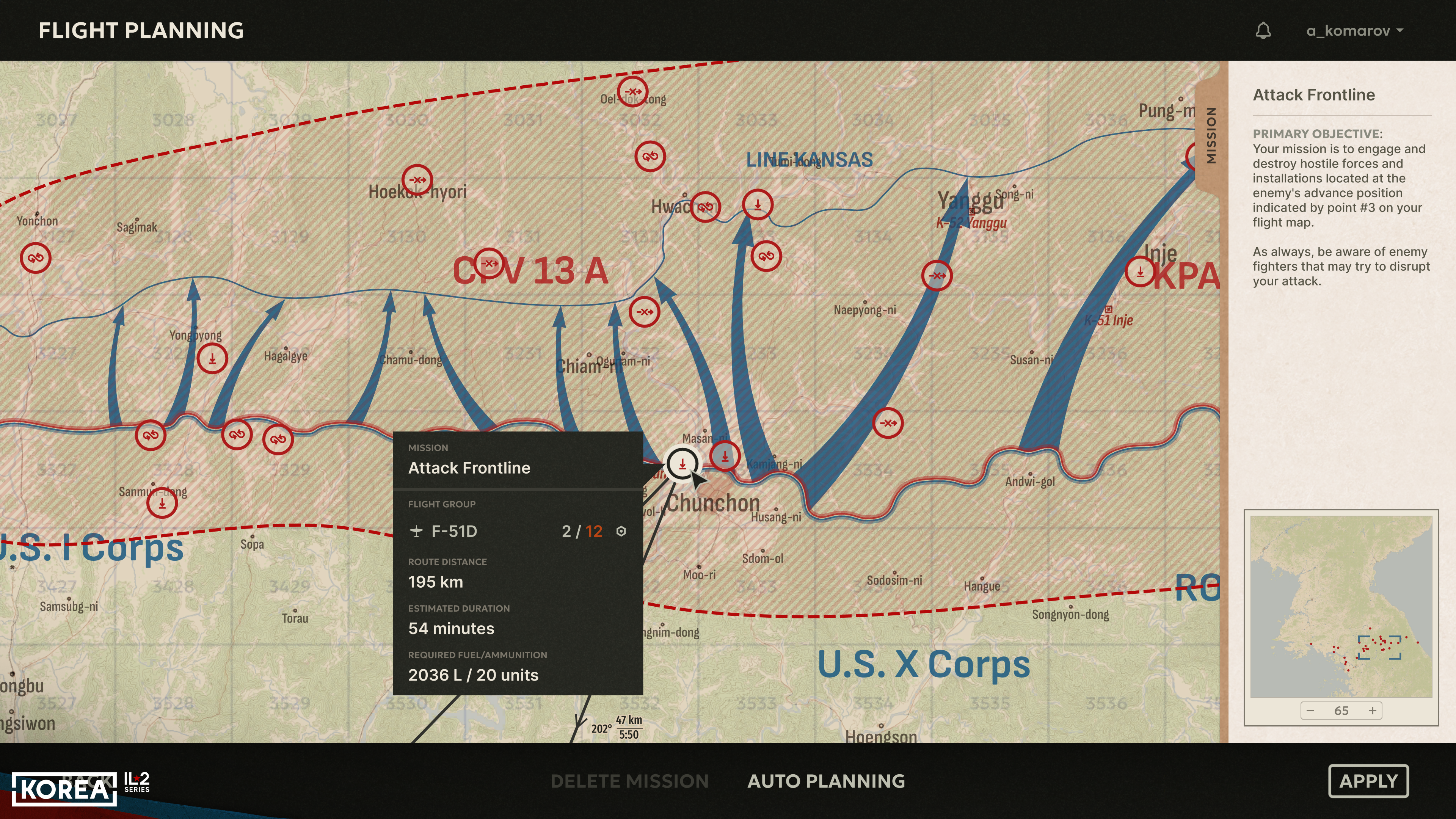
Our priority right now is the main game mode in Korea—Career mode. Of course, this mode is already largely complete. All that remains is to complete the required number of mission types in Career and, most importantly, to refine the aircraft’s AI. After all, the behavior of computer-controlled aircraft is fundamental to this mode.
Of course, it would be naive to assume that the most complex module in the game world, which has undergone a huge number of changes and innovations compared to Great Battles, with a huge number of cross-connections and complex dependencies, will work perfectly right away. Yes, we did everything we could to debug it during beta testing, but it wasn’t enough. Now, in combat mode, with extensive feedback from the player community, we can intensify our efforts to fine-tune the AI.
In Early Access, you may notice that AI-controlled aircraft don’t behave very fluidly. This is because most of our efforts are currently focused on fine-tuning the more complex gameplay mechanics implemented in Career mode: the player-commander's command system for their wingmen, and operations against ground targets. The logic for missions like "Attack on Our Airfield" still needs to be finalized. These missions will arise unexpectedly for the player, and only the duty flight, designated by the commander (the player) in advance, will be able to scramble to intercept the enemy. Once these missing building blocks are complete, we can fully focus on fine-tuning the gameplay: the AI’s reactions to events and the logic for maneuvering in aerial combat.
Of course, it would be naive to assume that the most complex module in the game world, which has undergone a huge number of changes and innovations compared to Great Battles, with a huge number of cross-connections and complex dependencies, will work perfectly right away. Yes, we did everything we could to debug it during beta testing, but it wasn’t enough. Now, in combat mode, with extensive feedback from the player community, we can intensify our efforts to fine-tune the AI.
In Early Access, you may notice that AI-controlled aircraft don’t behave very fluidly. This is because most of our efforts are currently focused on fine-tuning the more complex gameplay mechanics implemented in Career mode: the player-commander's command system for their wingmen, and operations against ground targets. The logic for missions like "Attack on Our Airfield" still needs to be finalized. These missions will arise unexpectedly for the player, and only the duty flight, designated by the commander (the player) in advance, will be able to scramble to intercept the enemy. Once these missing building blocks are complete, we can fully focus on fine-tuning the gameplay: the AI’s reactions to events and the logic for maneuvering in aerial combat.
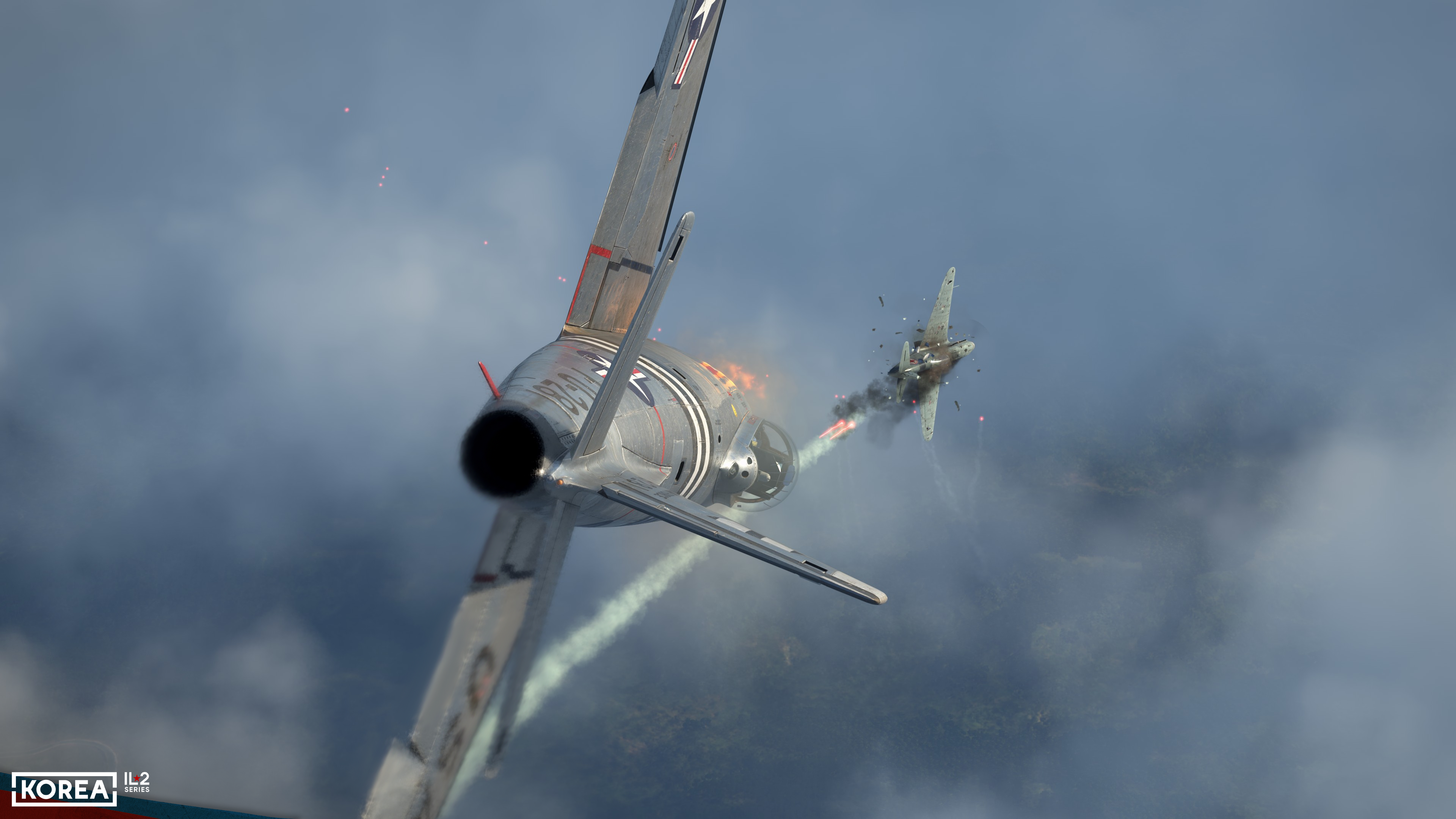
In other words, we need first to complete the foundation required for the main game mode’s full functionality, and only then address the individual elements of each component. The fact that AI-controlled aircraft, after such extensive refinements and the addition of new mechanics, now perform no worse than in Great Battles is already a positive sign. After all, full-scale debugging hasn’t even taken place yet, but the system is already running stably. However, since our goal is not merely to ensure stability or replicate the status quo, but rather to improve and expand capabilities, we will continue to refine this behavior. Fortunately, the challenge is no longer getting a complex new system up and running, but rather fine-tuning it.
Some of the improvements will be available soon, even before its full release, while others will only appear with the release. We plan to continue this work at least through the end of the year, based on our own testing and your feedback.
Some of the improvements will be available soon, even before its full release, while others will only appear with the release. We plan to continue this work at least through the end of the year, based on our own testing and your feedback.
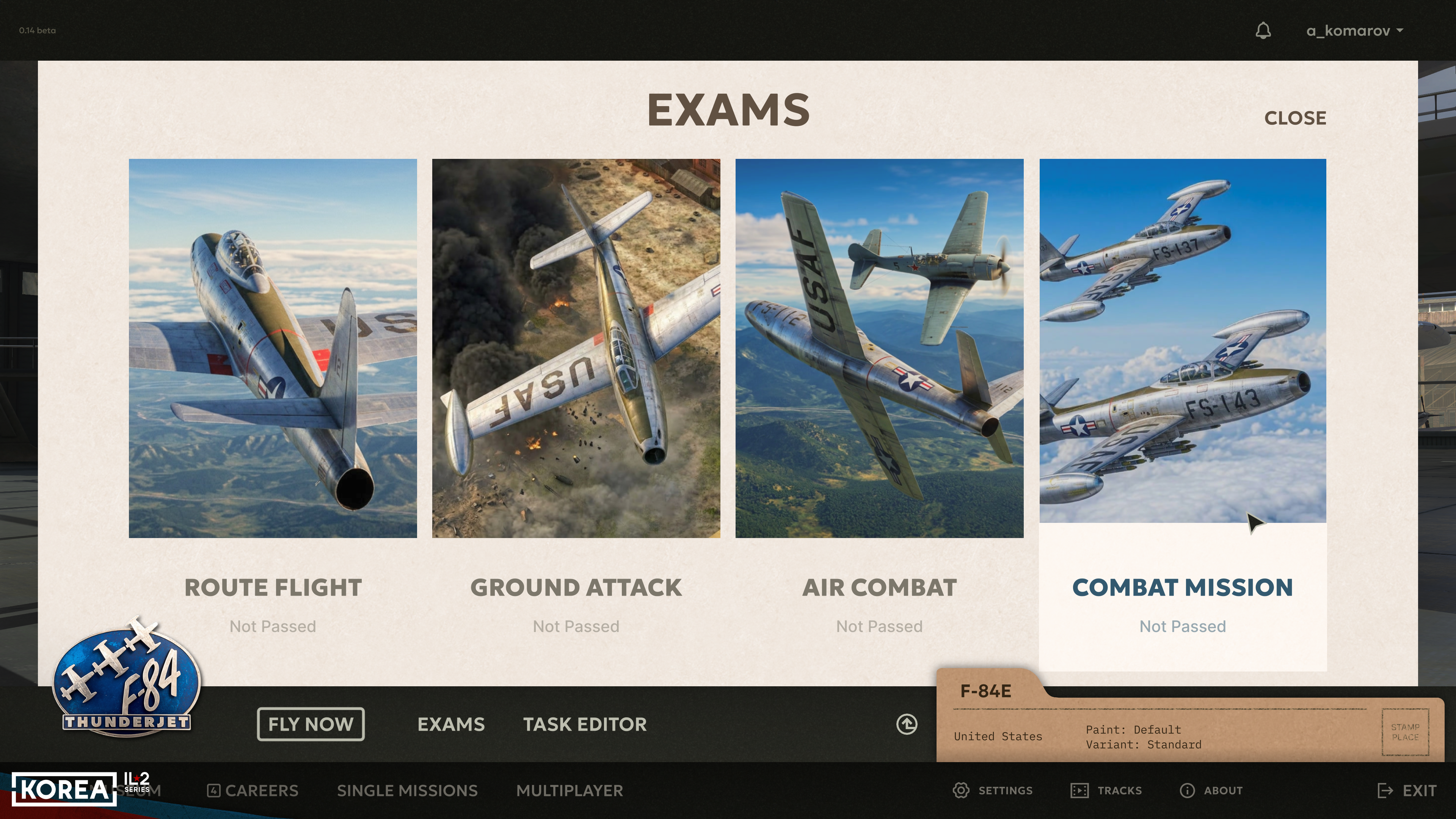
The next phase of work, continuing the gameplay theme, is completing missions for the much-loved new Exams game mode. For Early Access, we have developed 16 missions for four of Korea’s jet aircraft. By release, we plan to develop another 16 missions for the game’s four piston-engine aircraft. Given the differences between the classes, these missions will be significantly different from those currently available. Completing exams for all of the game’s aircraft will be very exciting, as the missions will be quite varied. This work is also well underway.
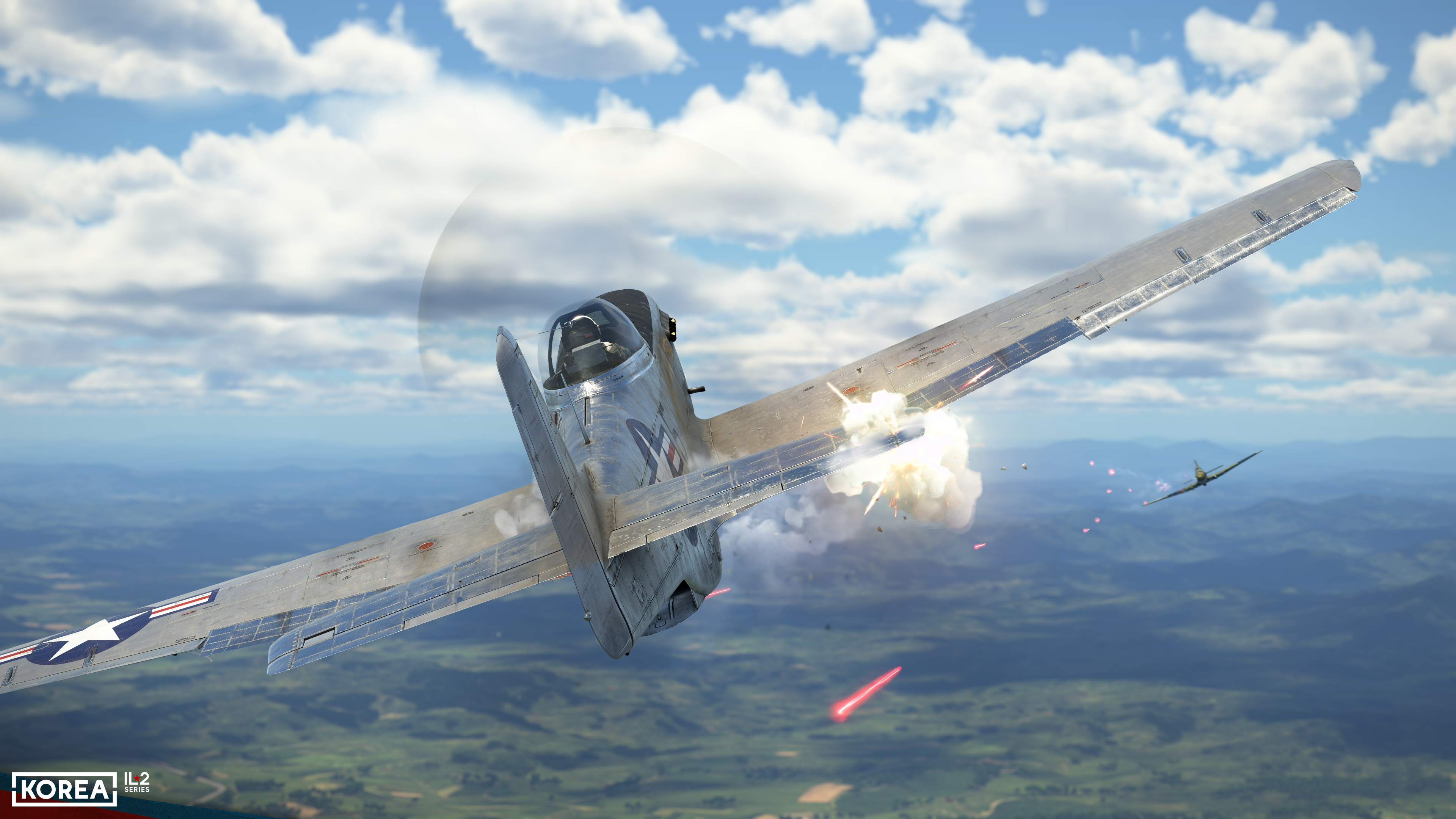
The third important thing we’re currently working on is effects. The effects system, like every other component of the project, has undergone significant technological changes and refinements. You can already see that the effects have become much more naturalistic than in our previous projects: tracers, their smoke trails, gunshot effects, certain types of flame, and much more.
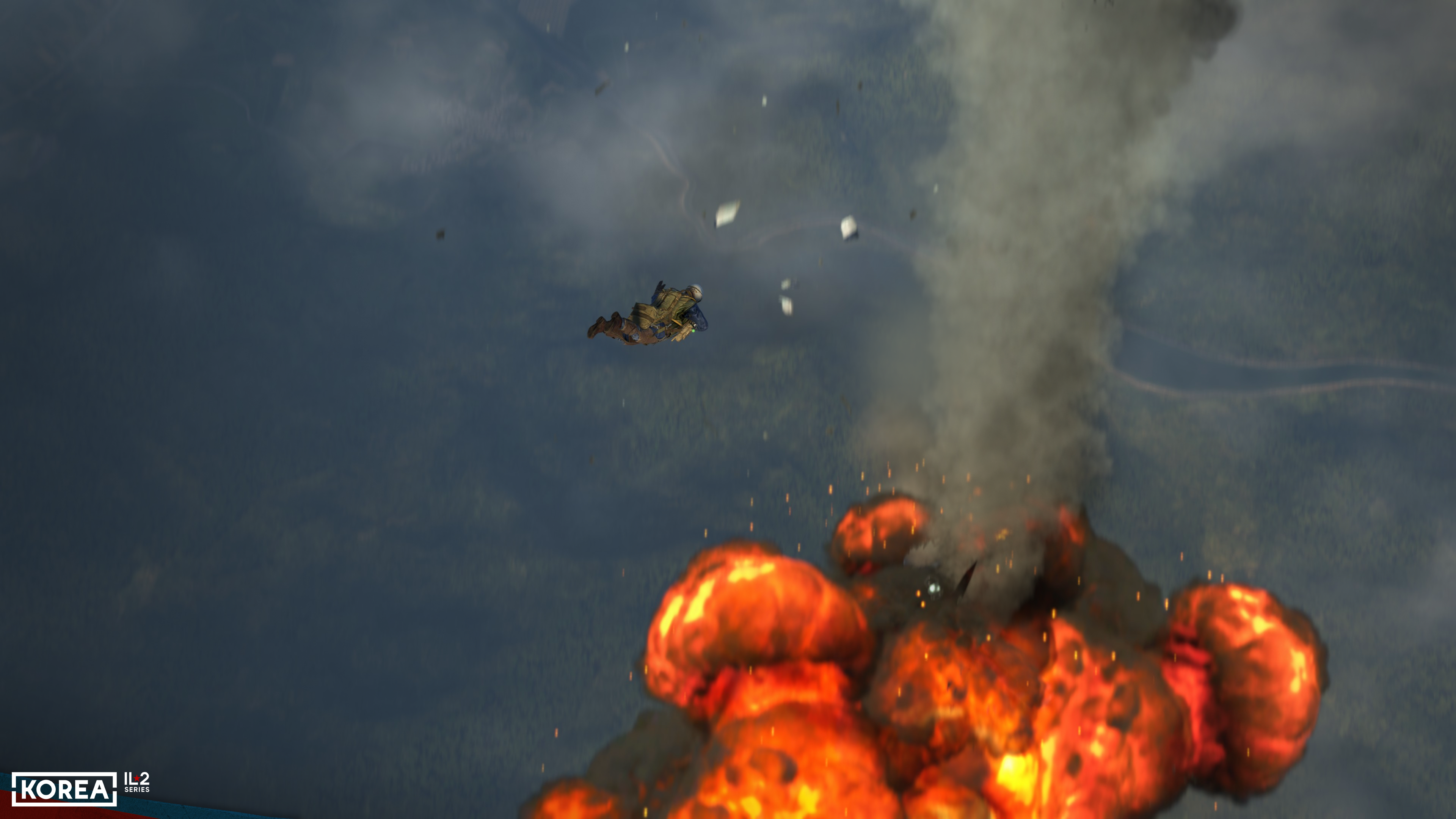
All of this is thanks to new technologies and approaches. And although every effect was created anew, we haven’t yet fully realized the potential of these new technologies. We’re currently working on updating explosion effects, impact effects, parts of the combustion effects, smoke and dust effects, the water mist behind the aircraft, and more. Many of the effects you see now will be significantly transformed by the release, and some new ones will be added. When the effects work is nearing completion, we’ll dedicate a separate, large diary to this topic, where we’ll cover them in detail.
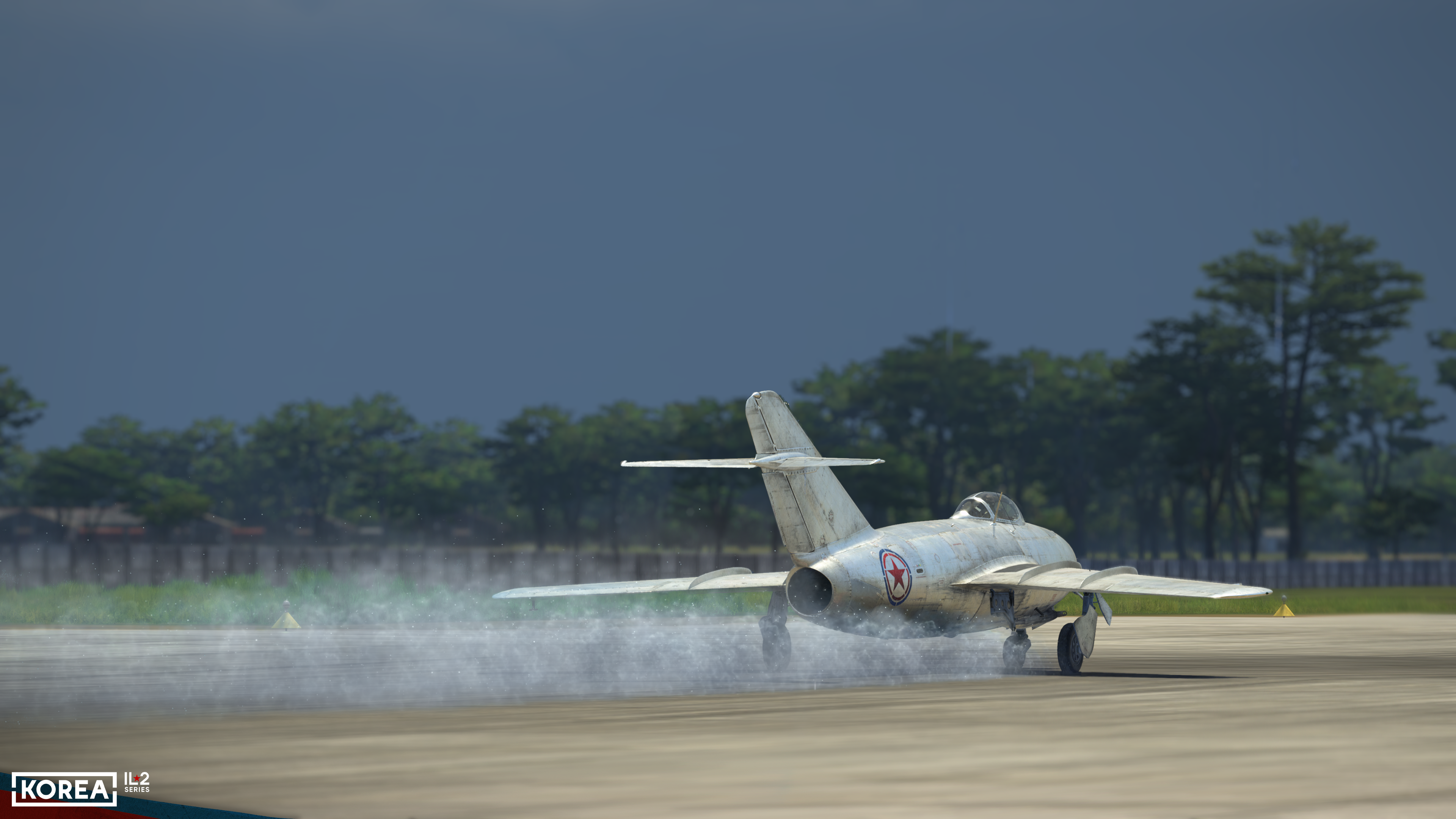
Work on the game’s audio is also ongoing. The overall soundscape is now complete, but many smaller sounds have yet to be integrated, which will undoubtedly have a significant impact on the overall experience: various engine start-up sounds, switch cover sounds, and the aircraft’s close-up sound, depending on the camera’s position relative to the aircraft, are being refined, along with much more. Currently, the aircraft’s sound changes only at greater distances—this is clearly noticeable when someone flies past you or when the aircraft is flying somewhere in the distance, but up close, there are no differences yet—those are being added. Work is underway to integrate music into gameplay, as we discussed in a recent diary. There are still some technical issues being addressed to prevent various sound dropouts or incorrect playback. We’re also seeing feedback on the sound of English in voice conversations: it’s still the most challenging aspect, and we’re already thinking about ways to improve it.
Work on the environment continues. Various historically significant and iconic battlefield locations are being refined. Riverbanks are being expanded, and some additional features are being implemented, which we discussed in one of our environment-focused briefings.
The project’s engineering components, flight model, and damage model are being fine-tuned. Some issues could have resulted in excessive fires on aircraft—these issues have now been addressed.
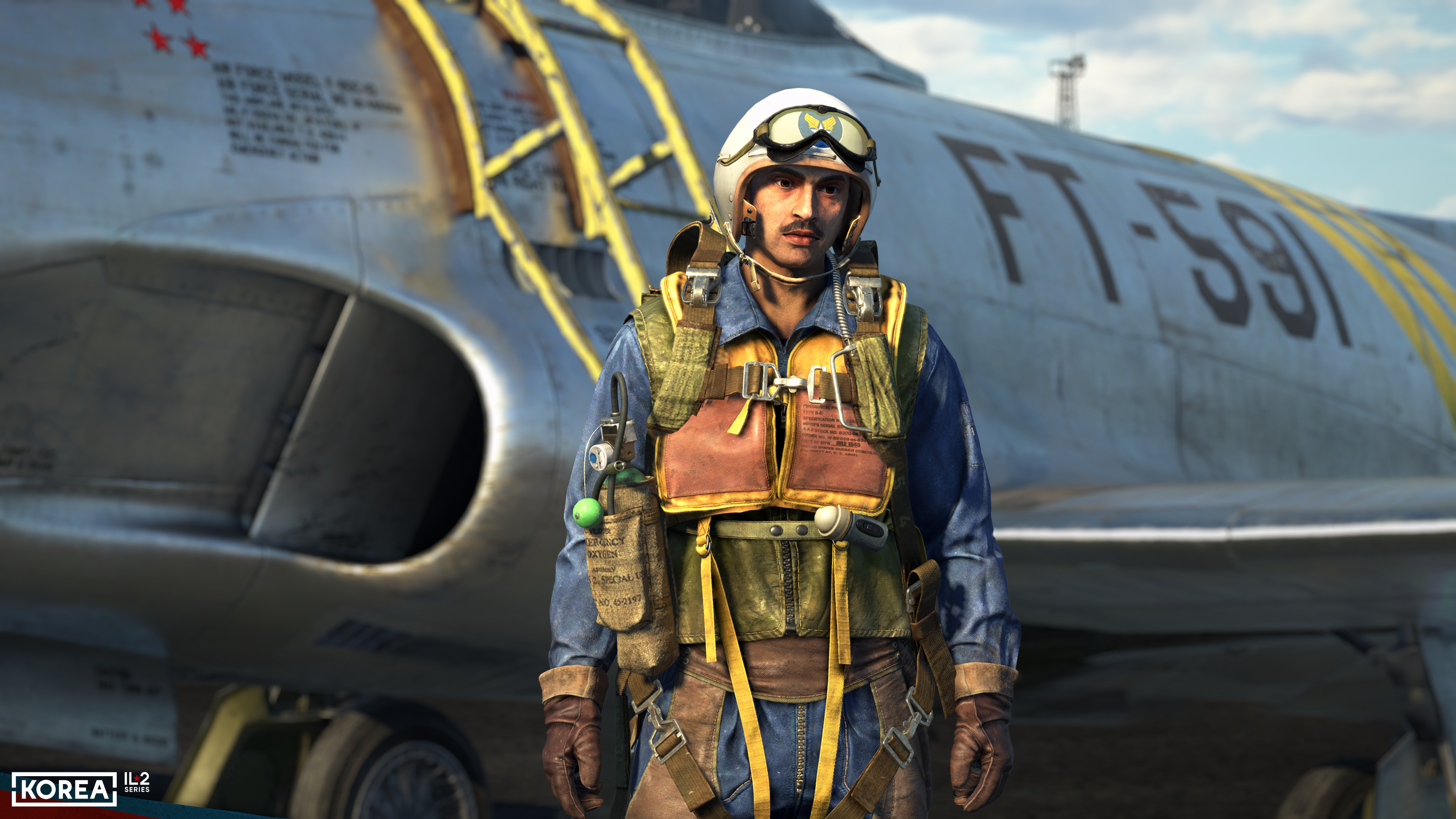
Beyond these core components, a large number of smaller project elements are undergoing refinement; for example, character faces are being polished. We’re also constantly working to find and fix bugs—a huge thank you to everyone who reports any issues they find.
Work on the environment continues. Various historically significant and iconic battlefield locations are being refined. Riverbanks are being expanded, and some additional features are being implemented, which we discussed in one of our environment-focused briefings.
The project’s engineering components, flight model, and damage model are being fine-tuned. Some issues could have resulted in excessive fires on aircraft—these issues have now been addressed.
Beyond these core components, a large number of smaller project elements are undergoing refinement; for example, character faces are being polished. We’re also constantly working to find and fix bugs—a huge thank you to everyone who reports any issues they find.
Overall, this extensive team effort is currently aimed at delivering the highest quality, most polished product possible by the August 4th release. To stay up to date on the final stages of Korea’s development, subscribe to our channels YouTube, Facebook, Reddit, X, Discord and follow us on social media.
See you in the skies over Korea!
Happy hunting, pilots!
See you in the skies over Korea!
Happy hunting, pilots!