


Dev Blog #78
Greetings, comrades!
Today is a very sensitive topic.
Sensitive not just in simulators or even the gaming industry as a whole, but sensitive for the entire world.
Sometimes, just by mentioning this term, people can, without understanding the essence, and, as in ancient times, raise on a pitchfork anyone who dares to mention it.
But we decided that we had no right to leave this issue without further consideration.
Today is a very sensitive topic.
Sensitive not just in simulators or even the gaming industry as a whole, but sensitive for the entire world.
Sometimes, just by mentioning this term, people can, without understanding the essence, and, as in ancient times, raise on a pitchfork anyone who dares to mention it.
But we decided that we had no right to leave this issue without further consideration.
Generative technologies in project development
In general, artificial intelligence and games are inextricably linked. In one form or another, AI has been present in games almost since their inception.
But now this entity is beginning to be applied in ever-larger industries and to take on forms that only the most daring science fiction writers could imagine.
One of the most controversial areas of artificial intelligence is its use in creating creative work.
Today, we will share our attitude towards this and how we use new technologies.
But now this entity is beginning to be applied in ever-larger industries and to take on forms that only the most daring science fiction writers could imagine.
One of the most controversial areas of artificial intelligence is its use in creating creative work.
Today, we will share our attitude towards this and how we use new technologies.
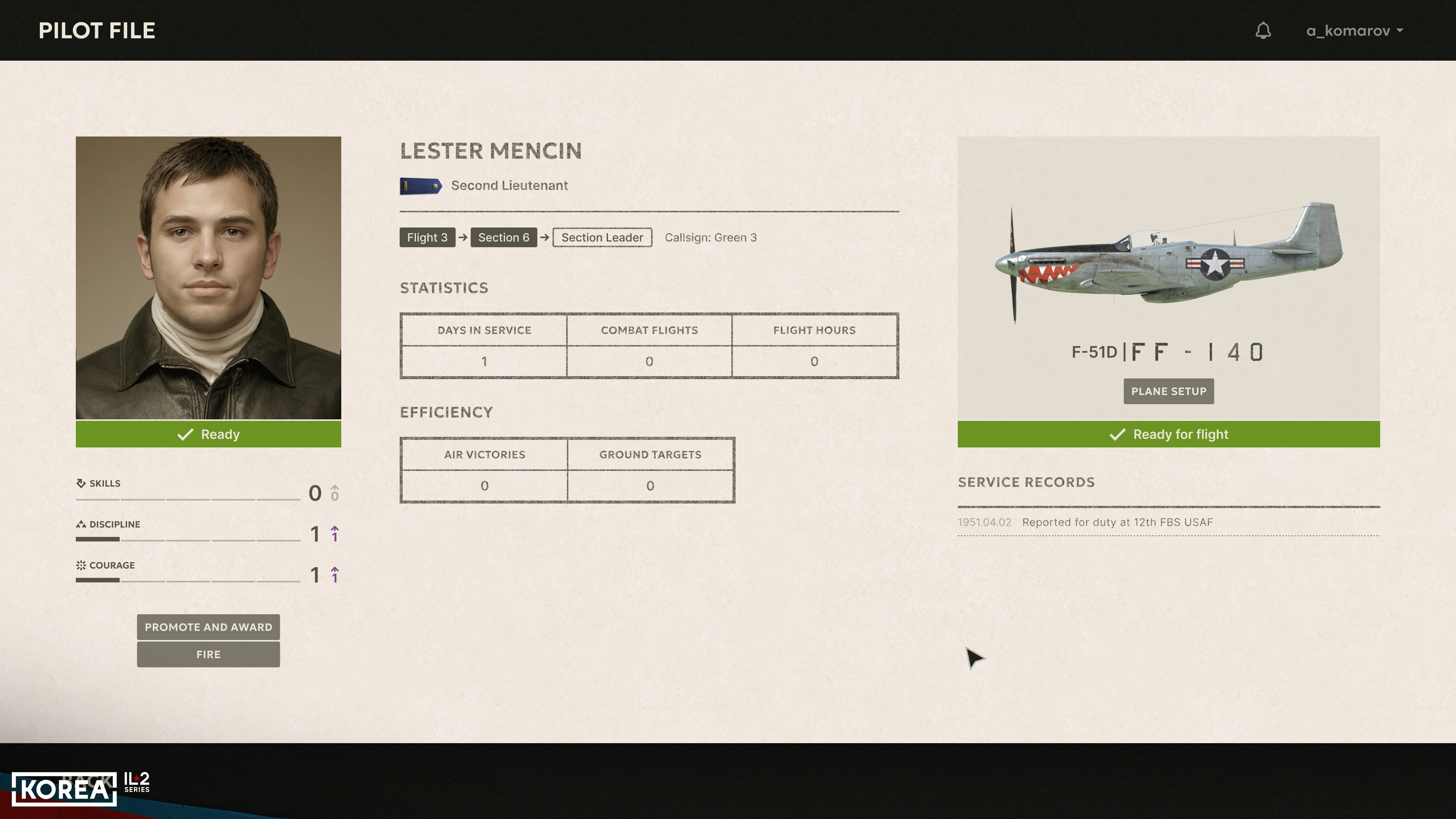
As with the Korean War, a time when not only were aviation eras changing but humanity was also on the path to exploring nuclear energy, new technological frontiers are now emerging, and new principles of interaction with new possibilities are being developed.
Nuclear energy can be either a terrible thing, wiping cities off the face of the earth, or an incredible blessing, allowing them to expand like never before. The key is to use technology for creation, not destruction. It’s a similar story with artificial intelligence.
It can offer incredible opportunities to those who use it, but it’s crucial to use this tool wisely and with an understanding of the specific field in which it’s applied.
In this case, a very ancient, but incredibly appropriate phrase comes to mind, popularized in our time by an undeniably excellent comic:
"Great power, great responsibility."
Nuclear energy can be either a terrible thing, wiping cities off the face of the earth, or an incredible blessing, allowing them to expand like never before. The key is to use technology for creation, not destruction. It’s a similar story with artificial intelligence.
It can offer incredible opportunities to those who use it, but it’s crucial to use this tool wisely and with an understanding of the specific field in which it’s applied.
In this case, a very ancient, but incredibly appropriate phrase comes to mind, popularized in our time by an undeniably excellent comic:
"Great power, great responsibility."
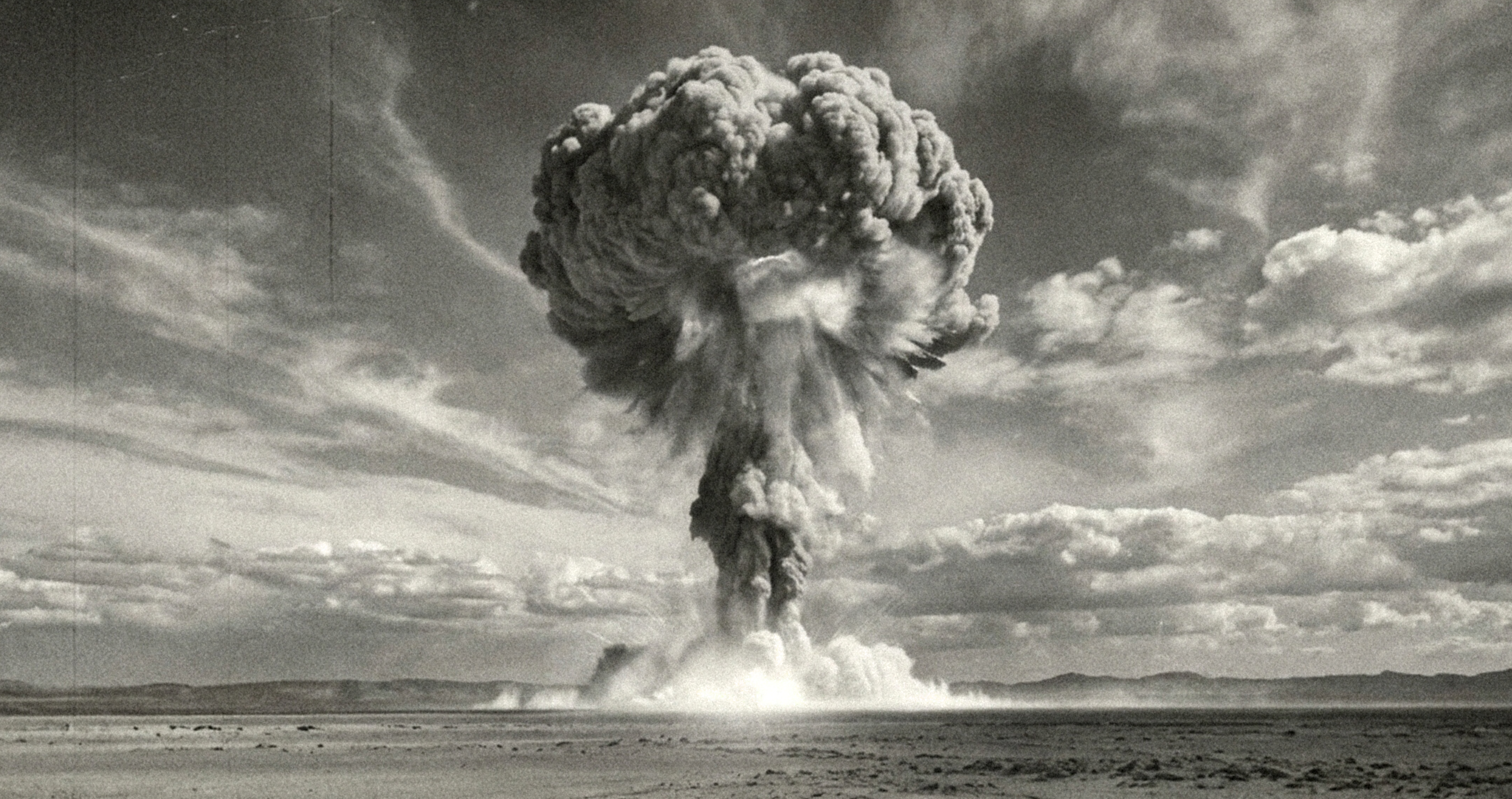
Nowadays, generative technology tools are easily accessible to anyone. As a result, we see a large amount of highly specialized content.
This content possesses qualities characteristic of works created with an insane amount of human time. Yet it is juxtaposed with utter bad taste and seemingly childish mistakes — the kind of mistakes an artist who knows how to create highly detailed, complex work by hand would never allow.
This dissonance is often frightening. Someone who hasn’t experienced the process of creating such works, amid the vast number of complex statistical details, simply doesn’t notice simple errors but senses that something is wrong. This creates a sense of the uncanny valley. In the early stages of technology, it was easy to spot these errors, for example, by counting the number of fingers. Now, such noticeable errors are becoming fewer, but they still exist; they’re hidden ever deeper, but they’re certainly felt subconsciously. And that’s why, to make a good piece of work, you can’t do without a master who knows his business and knows how to achieve a high-quality result with his own hands.
These technologies are suitable for reducing the routine tasks of a good artist. They free up time for creating more powerful works. But they are not suitable for creating a good work in its entirety, without the artist.
Another important nuance of this technology is that it’s data-driven. This data is processed, and a result is produced. On the one hand, this is somewhat similar to how a person produces something. We also gain life experience, are inspired by what we see, and then apply it. There’s one very important exception: the technology produces an average result based on statistics and a generated query, whereas a person has specific goals in mind when working, and their decisions are influenced by many more specific factors that shape the outcome.
Any sane person develops a certain hatred of this technology when it is applied to someone else’s work, producing a very mediocre, empty result. In such situations, some hope for humanity as a whole is lost. But it’s important not to lose this hope.
And it is with these thoughts and an understanding of these points that we approach these technologies.
We do not deny the advantages and power of this tool, but we believe it should be used only with a good understanding of the area in which it is used. This is important so that it can be applied based on one’s own ideas, developments, and materials.
We will begin our analysis of the application of the technology with the area in which its use is most obvious, and it has already existed in a similar form in other simulators for quite a long time.
This content possesses qualities characteristic of works created with an insane amount of human time. Yet it is juxtaposed with utter bad taste and seemingly childish mistakes — the kind of mistakes an artist who knows how to create highly detailed, complex work by hand would never allow.
This dissonance is often frightening. Someone who hasn’t experienced the process of creating such works, amid the vast number of complex statistical details, simply doesn’t notice simple errors but senses that something is wrong. This creates a sense of the uncanny valley. In the early stages of technology, it was easy to spot these errors, for example, by counting the number of fingers. Now, such noticeable errors are becoming fewer, but they still exist; they’re hidden ever deeper, but they’re certainly felt subconsciously. And that’s why, to make a good piece of work, you can’t do without a master who knows his business and knows how to achieve a high-quality result with his own hands.
These technologies are suitable for reducing the routine tasks of a good artist. They free up time for creating more powerful works. But they are not suitable for creating a good work in its entirety, without the artist.
Another important nuance of this technology is that it’s data-driven. This data is processed, and a result is produced. On the one hand, this is somewhat similar to how a person produces something. We also gain life experience, are inspired by what we see, and then apply it. There’s one very important exception: the technology produces an average result based on statistics and a generated query, whereas a person has specific goals in mind when working, and their decisions are influenced by many more specific factors that shape the outcome.
Any sane person develops a certain hatred of this technology when it is applied to someone else’s work, producing a very mediocre, empty result. In such situations, some hope for humanity as a whole is lost. But it’s important not to lose this hope.
And it is with these thoughts and an understanding of these points that we approach these technologies.
We do not deny the advantages and power of this tool, but we believe it should be used only with a good understanding of the area in which it is used. This is important so that it can be applied based on one’s own ideas, developments, and materials.
We will begin our analysis of the application of the technology with the area in which its use is most obvious, and it has already existed in a similar form in other simulators for quite a long time.
Voiceover for in-game radio communication
Previously, game dialogue was generated using pre-recorded, specific phrases. These phrases, while often well-written, have significant limitations in their use. They are only suitable for one specific situation.
You can’t write down a phrase for every gameplay situation; a human lifetime might not be enough. And that’s not even taking into account that new technologies, new gameplay situations, and new story campaigns may be created during the project’s lifespan.
Even something seemingly simple—the mention of a specific number in a radio exchange — isn’t recorded entirely by the actors. This can be done in a story-driven game, where, like in a film, all events are predetermined, and the quality can be incredible. But when we’re trying to create a game where the variability of your actions is important, where the player creates the plot and immerses themselves in the world, where we directly create experiences with the player, such prerecorded lines don’t work.
You can’t write down a phrase for every gameplay situation; a human lifetime might not be enough. And that’s not even taking into account that new technologies, new gameplay situations, and new story campaigns may be created during the project’s lifespan.
Even something seemingly simple—the mention of a specific number in a radio exchange — isn’t recorded entirely by the actors. This can be done in a story-driven game, where, like in a film, all events are predetermined, and the quality can be incredible. But when we’re trying to create a game where the variability of your actions is important, where the player creates the plot and immerses themselves in the world, where we directly create experiences with the player, such prerecorded lines don’t work.

You have to find some tricks, split lines into parts, create some kind of compound phrases in which the intonation collapses, and everything sounds choppy. These moments ruin the immersion and the player experience. And when creating countless line variations for all sorts of situations, generative technologies are essential. Even a few human lifetimes wouldn’t be enough to do what we can already do with AI.
To overcome the aforementioned limitations and create a more flexible radio exchange system, we decided to use text-to-speech technology.
The developer of the technology employs not only programmers and AI specialists but also professional linguists, which has enabled us to create text-to-voice models in 11 languages, four of which will be used in Korea and five more in future projects in IL-2 Series. It’s important to note that the voice-over models we create are based on voices we’ve recorded ourselves, and we have signed relevant agreements with each voice actor. In fact, as with previous voice recordings, most of the recordings we made were of our own employees. It has become a tradition for a game to speak in the voices of its creators. However, with these technologies, we now have significantly more possibilities.
To overcome the aforementioned limitations and create a more flexible radio exchange system, we decided to use text-to-speech technology.
The developer of the technology employs not only programmers and AI specialists but also professional linguists, which has enabled us to create text-to-voice models in 11 languages, four of which will be used in Korea and five more in future projects in IL-2 Series. It’s important to note that the voice-over models we create are based on voices we’ve recorded ourselves, and we have signed relevant agreements with each voice actor. In fact, as with previous voice recordings, most of the recordings we made were of our own employees. It has become a tradition for a game to speak in the voices of its creators. However, with these technologies, we now have significantly more possibilities.
Moreover, these new capabilities are available not only to us as developers but also to third-party mission creators. Mission creators no longer have to limit themselves to the phrases written in the project.
This approach allows us to develop further and expand the set of radio phrases in 11 languages, eliminating the limitation on aircraft AI development. Furthermore, it allows us to make these phrases much less formulaic and more varied, significantly improving the quality of radio broadcasts in the game. Ultimately, we plan to create radio communications not only between aircraft but also with air traffic control radar stations and airfield dispatchers, as well as voiceover variants of the same messages, and much more. Yes, it’s still not real speech, and there are still some inaccuracies in intonation, but overall, radio communications have become much richer and more engaging. Moreover, radio communications continue to evolve.
Without such technologies and approaches, this would simply be impossible.
The next application of these technologies we will talk about is portraits.
We set ourselves the ambitious goal of creating a gaming experience where the player feels as if they are controlling a large number of pilots. What the player can feel, and what it’s like to lead people with their own personalities and unique life experiences. The player shouldn’t just see numbers and pilots' names; they should know them by sight.
This approach allows us to develop further and expand the set of radio phrases in 11 languages, eliminating the limitation on aircraft AI development. Furthermore, it allows us to make these phrases much less formulaic and more varied, significantly improving the quality of radio broadcasts in the game. Ultimately, we plan to create radio communications not only between aircraft but also with air traffic control radar stations and airfield dispatchers, as well as voiceover variants of the same messages, and much more. Yes, it’s still not real speech, and there are still some inaccuracies in intonation, but overall, radio communications have become much richer and more engaging. Moreover, radio communications continue to evolve.
Without such technologies and approaches, this would simply be impossible.
The next application of these technologies we will talk about is portraits.
We set ourselves the ambitious goal of creating a gaming experience where the player feels as if they are controlling a large number of pilots. What the player can feel, and what it’s like to lead people with their own personalities and unique life experiences. The player shouldn’t just see numbers and pilots' names; they should know them by sight.
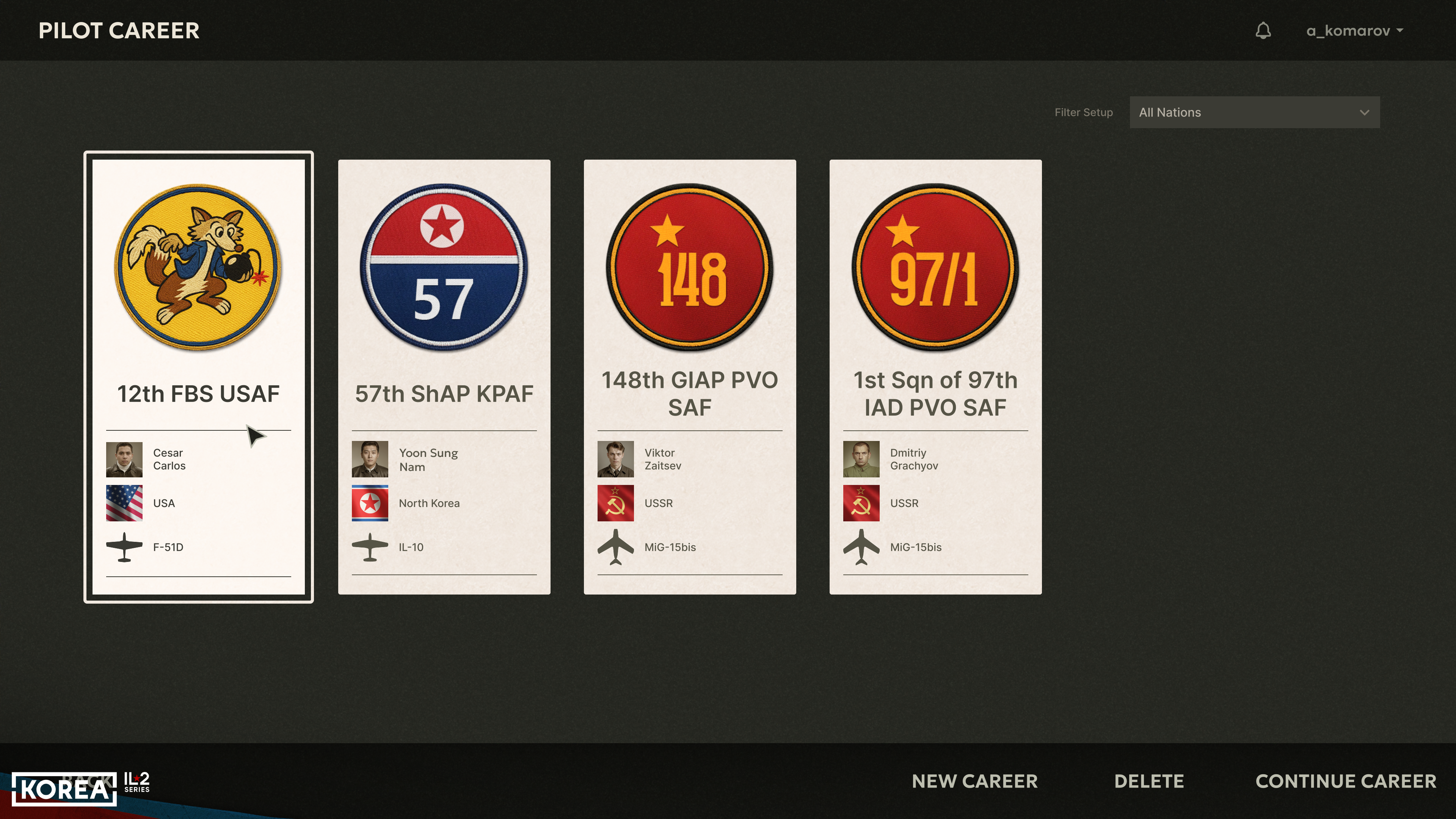
In Great Battles, the face builder, used to create the pilots in the player’s squadron, was based on principles from 90s games. The portrait was assembled from elements such as the facial contours, ears, nose, eyes, and hairstyle. Some combinations turned out to be quite good; others were quite creepy, but it was not possible to debug all combinations of elements in their full superposition.
For the tasks at hand in Korea, we lacked both the quality and quantity that this method provides. So, we decided to explore the possibility of using generative technologies. We wanted to understand what we could use them for, what we couldn’t, and how to ensure the portraits wouldn’t look lifeless, monotonous, or characterless. The goal wasn’t just to create a multitude of faces, but to base them on specific historical data and give the player a connection to them.
During generation, in addition to the absence of certain characteristic elements in the resulting image, as mentioned above, there are many simple errors that only a good artist can correct. Among the most common and straightforward issues are different pupil sizes and shapes, cat-like pupils, or the absence of pupils altogether. Other, less obvious ones include incorrect proportions and anatomy. Therefore, our artists transformed each resulting portrait into something living, with its own emotions and without any so-called "childish" problems.
For the tasks at hand in Korea, we lacked both the quality and quantity that this method provides. So, we decided to explore the possibility of using generative technologies. We wanted to understand what we could use them for, what we couldn’t, and how to ensure the portraits wouldn’t look lifeless, monotonous, or characterless. The goal wasn’t just to create a multitude of faces, but to base them on specific historical data and give the player a connection to them.
During generation, in addition to the absence of certain characteristic elements in the resulting image, as mentioned above, there are many simple errors that only a good artist can correct. Among the most common and straightforward issues are different pupil sizes and shapes, cat-like pupils, or the absence of pupils altogether. Other, less obvious ones include incorrect proportions and anatomy. Therefore, our artists transformed each resulting portrait into something living, with its own emotions and without any so-called "childish" problems.

Ultimately, the entire process looked like this: we first formed a certain basis, the so-called building blocks of the images we needed, loaded them into the neural network, and manually added life, characteristic features, and emotions to the resulting image.
To create a sense of the full rotation of units and their lives across different countries in the conflict, there will be more than 400 portraits in Korea.
To create a sense of the full rotation of units and their lives across different countries in the conflict, there will be more than 400 portraits in Korea.

And we manually added life to every portrait.
Hand-rendering each of these 400 portraits would have required an insane amount of time. Moreover, this amount of time would not have involved any creative work. It would have been a constant reproduction of identical details in enormous quantities.
In other words, technology has helped us simply replicate our work, allowing us to focus on interesting tasks related to emotions, the uniqueness of images, and the realization of our artists' creative potential.
Technology has helped create a sense of unit management that we couldn’t have achieved by any other sensible means.
Throughout the campaign, you will see completely different pilots, each with their own image and story, which can lead to attachment to some people and less attachment to others.
But the most important thing is that they will be different, each individual in its own way.
Hand-rendering each of these 400 portraits would have required an insane amount of time. Moreover, this amount of time would not have involved any creative work. It would have been a constant reproduction of identical details in enormous quantities.
In other words, technology has helped us simply replicate our work, allowing us to focus on interesting tasks related to emotions, the uniqueness of images, and the realization of our artists' creative potential.
Technology has helped create a sense of unit management that we couldn’t have achieved by any other sensible means.
Throughout the campaign, you will see completely different pilots, each with their own image and story, which can lead to attachment to some people and less attachment to others.
But the most important thing is that they will be different, each individual in its own way.

Also, using in-game screenshots, our own models, and AI, we created a set of pseudo-historical photographs to frame messages about various events in the Career mode. Generative technologies were indispensable here. It was impossible to find authentic historical photographs of the Korean War that fit the context of the events; they simply weren’t available in the quantity and quality we needed. We believe that adding such images to the design is essential for creating the appropriate mood and immersing the player. Of course, the resulting images also required considerable artistic refinement. As a result, the visual design of the Career graphical interface has acquired a depth and richness that would have been impossible without this approach.
Neural networks are poor at generating ideas or emotions. Still, they are indispensable in areas where vast amounts of information need to be processed — areas where it’s simply unnatural for humans to exist. Computers were once considered unworthy, but without them, no one flies into space. 3D was considered lifeless, but without it, we wouldn’t be able to enjoy the virtual worlds that reflect the souls of many artists. The same is true of neural networks.
Neural networks are poor at generating ideas or emotions. Still, they are indispensable in areas where vast amounts of information need to be processed — areas where it’s simply unnatural for humans to exist. Computers were once considered unworthy, but without them, no one flies into space. 3D was considered lifeless, but without it, we wouldn’t be able to enjoy the virtual worlds that reflect the souls of many artists. The same is true of neural networks.
All of the above are just tools that provide new opportunities; it’s only important to use them wisely.
We will definitely continue to reveal various details and features of the development of Korea. IL-2 Series.
And to stay up to date with them, subscribe to our channels YouTube, Facebook, Reddit, X, and Discord and follow us on social media.
Stay in touch!
We will definitely continue to reveal various details and features of the development of Korea. IL-2 Series.
And to stay up to date with them, subscribe to our channels YouTube, Facebook, Reddit, X, and Discord and follow us on social media.
Stay in touch!