


Dev Blog #69
Greetings, comrades!
The theme of today's Dev Blog is the seasons. Up until now, our Dev Blog and Dev Brief videos have only shown Korea’s summer season, due to certain technical considerations and workflow processes. But the image of the Korean War is more closely associated with the visual imagery of other seasons: winter with its abundance of snow, when soldiers are bundled up in warm clothing, or early spring, when we see bare trees still without leaves and melting snow.
This is because most of the popular photographs from those years are from major events that took place precisely during those seasons. For example, Black Thursday was on April 12, early spring, which we experienced just recently. Or the Battle of Chosin Reservoir, when the decisive battle took place in bitterly cold weather down to -38 degrees Celsius. And indeed, among archival photographs of the Korean War, images of seasons other than summer predominate.
All of this is a bit ironic, since in the popular imagination, the Korean Peninsula is somewhere not far from the places where the Pacific War was fought. Which means it’s warm there and there might even be palm trees. But no, in Korea, especially in the north, the climate is quite temperate and highly diverse.
A total of five seasons is planned for Korea. Yes, that’s correct: not the usual four seasons, but five.
The theme of today's Dev Blog is the seasons. Up until now, our Dev Blog and Dev Brief videos have only shown Korea’s summer season, due to certain technical considerations and workflow processes. But the image of the Korean War is more closely associated with the visual imagery of other seasons: winter with its abundance of snow, when soldiers are bundled up in warm clothing, or early spring, when we see bare trees still without leaves and melting snow.
This is because most of the popular photographs from those years are from major events that took place precisely during those seasons. For example, Black Thursday was on April 12, early spring, which we experienced just recently. Or the Battle of Chosin Reservoir, when the decisive battle took place in bitterly cold weather down to -38 degrees Celsius. And indeed, among archival photographs of the Korean War, images of seasons other than summer predominate.
All of this is a bit ironic, since in the popular imagination, the Korean Peninsula is somewhere not far from the places where the Pacific War was fought. Which means it’s warm there and there might even be palm trees. But no, in Korea, especially in the north, the climate is quite temperate and highly diverse.
A total of five seasons is planned for Korea. Yes, that’s correct: not the usual four seasons, but five.
To provide some background, we first developed the five-season map scheme back in the Flying Circus project. The idea is that the four main seasons — spring, summer, fall, and winter — leave a fairly large period of time uncovered immediately before and after winter. We’re talking about late fall, when the leaves have already fallen, and the first snow is already lying in the low-lying fields. It is also early spring, when the snow has mostly melted, though it still lies in some places, but the trees have not yet turned green. And it is precisely this gloomy yet highly distinctive off-season that we added to Flying Circus for the first time. The result was received extremely positively by players, especially given the calendar progression of the pilot’s career mode in the sim.
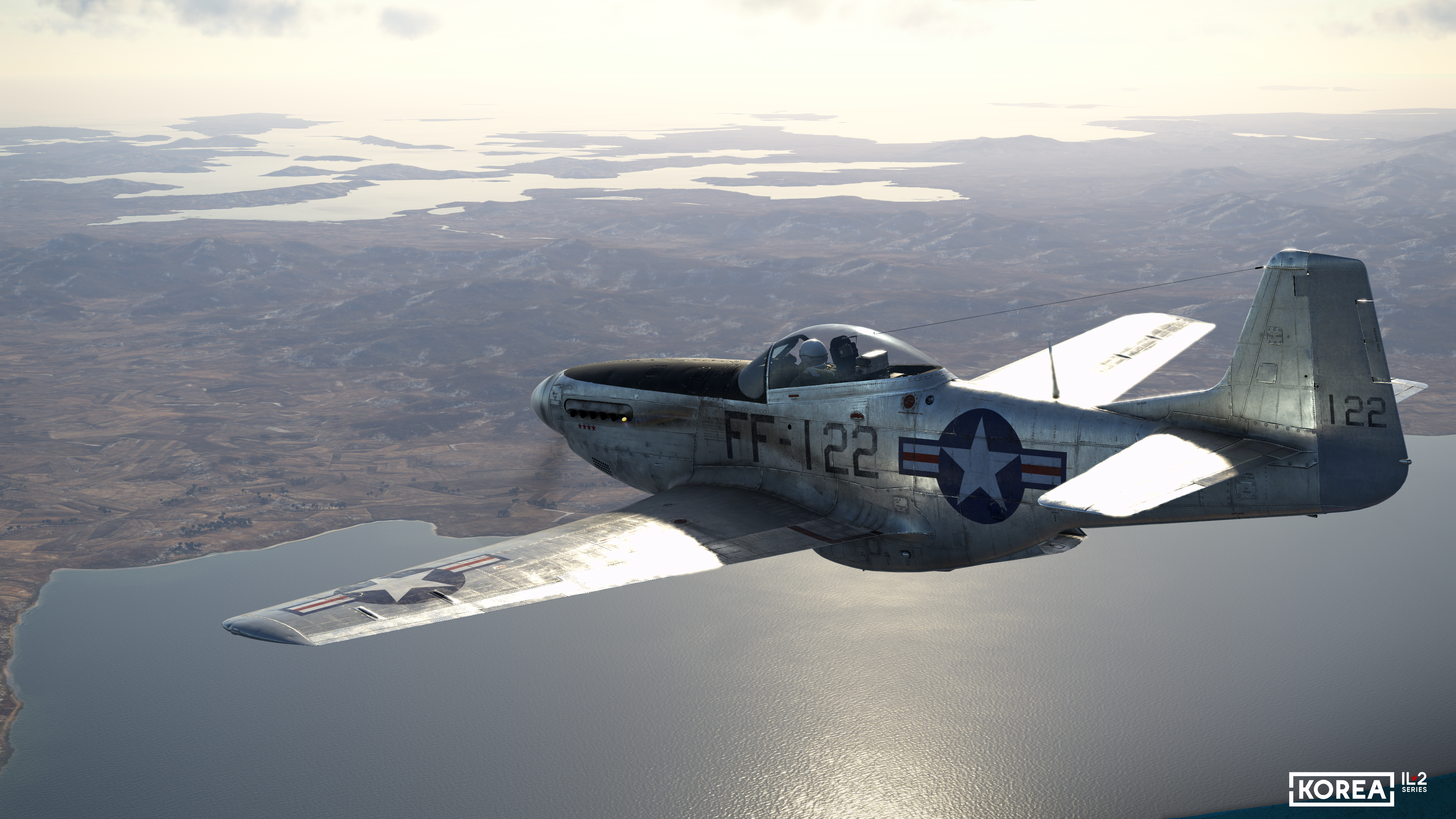
Given that these periods are most characteristic of the Korean War, we naturally had to incorporate the off-season into Korea as well, but with an eye toward new technologies and artistic approaches. We reviewed a great deal of reference material on the Korean region’s natural environment, both historical and modern, and gathered extensive data on its nature to select the most appropriate color palette for all landscape elements.
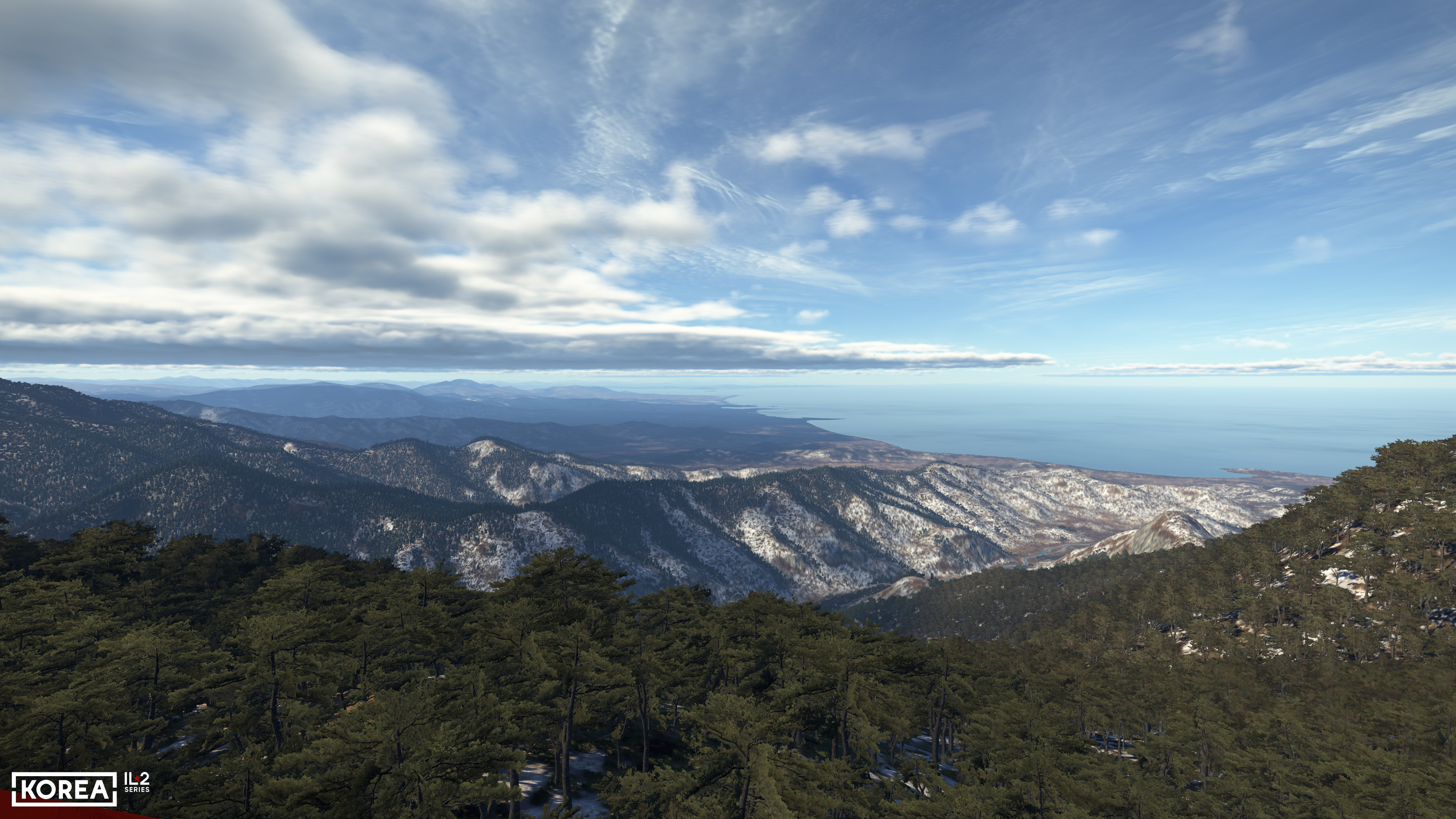
We spent a long time selecting various textural solutions and tonal relationships. Not only does it all have to look realistic and believable, but it also has to run smoothly on an average personal computer; the player must be able to engage in maneuverable combat comfortably without encountering significant performance issues, which imposes certain technical limitations. You can see the result of this work for yourselves, both from the creative side of finding suitable visual solutions and from the technical side of developing new technologies.
We covered summer in Korea in quite some detail recently — if you missed it, we recommend checking out Dev Blog #67.
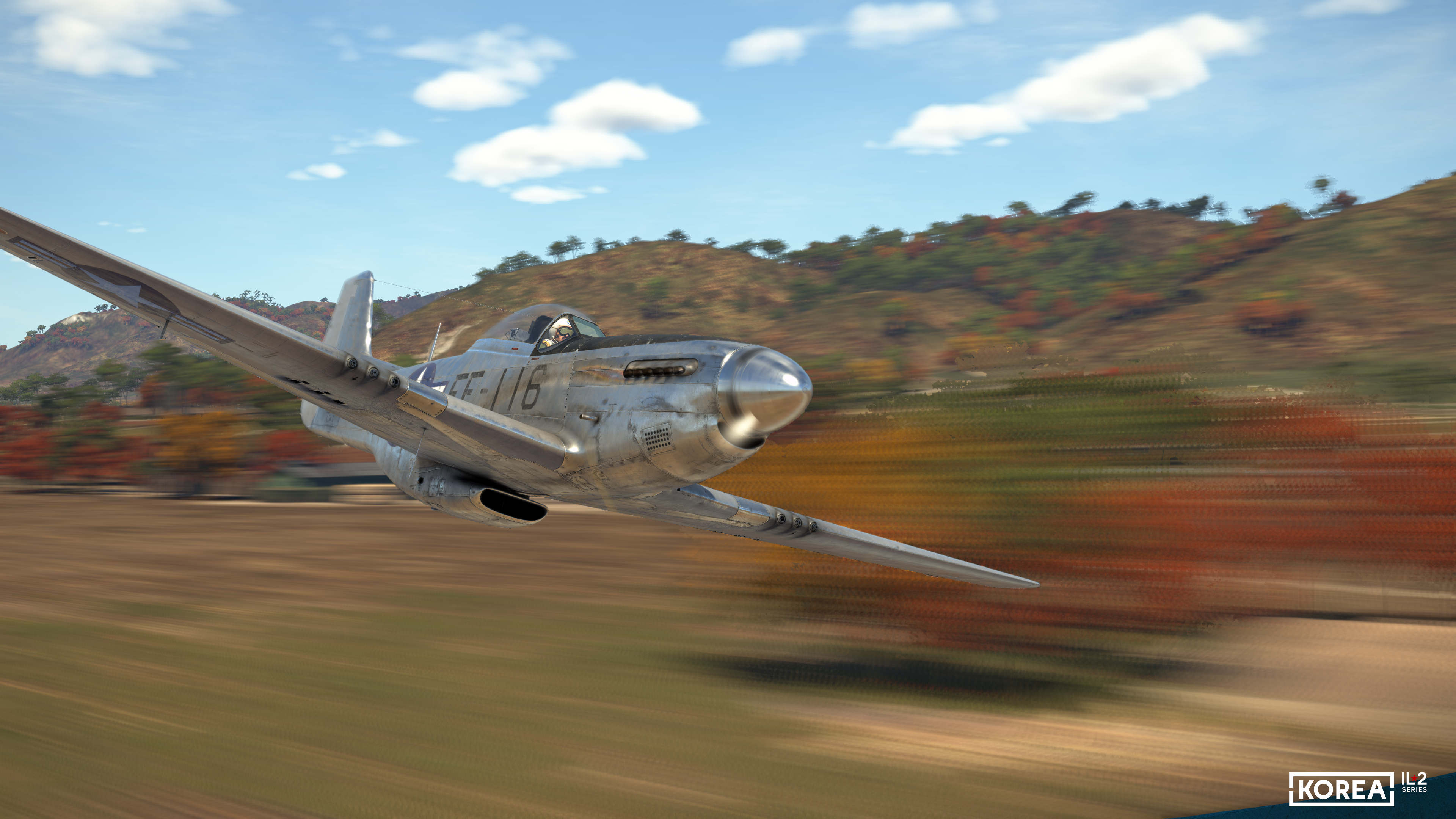
For autumn, we decided to try to bring to life an idea we’d had for a long time — one inspired by the "golden" season, when the tree canopies turn colorful, and the fields resemble a vibrant palette. This isn’t so easy to pull off, since it’s easy to lose balance and slip into excessive variegation or overly noticeable pattern repetition. In short, the seemingly obvious idea of making autumn colorful required a fair amount of artistic exploration to ensure that not only individual perspectives but the entire landscape looked interesting and harmonious. We believe we’ve succeeded in achieving this result.
For autumn, we decided to try to bring to life an idea we’d had for a long time — one inspired by the "golden" season, when the tree canopies turn colorful, and the fields resemble a vibrant palette. This isn’t so easy to pull off, since it’s easy to lose balance and slip into excessive variegation or overly noticeable pattern repetition. In short, the seemingly obvious idea of making autumn colorful required a fair amount of artistic exploration to ensure that not only individual perspectives but the entire landscape looked interesting and harmonious. We believe we’ve succeeded in achieving this result.
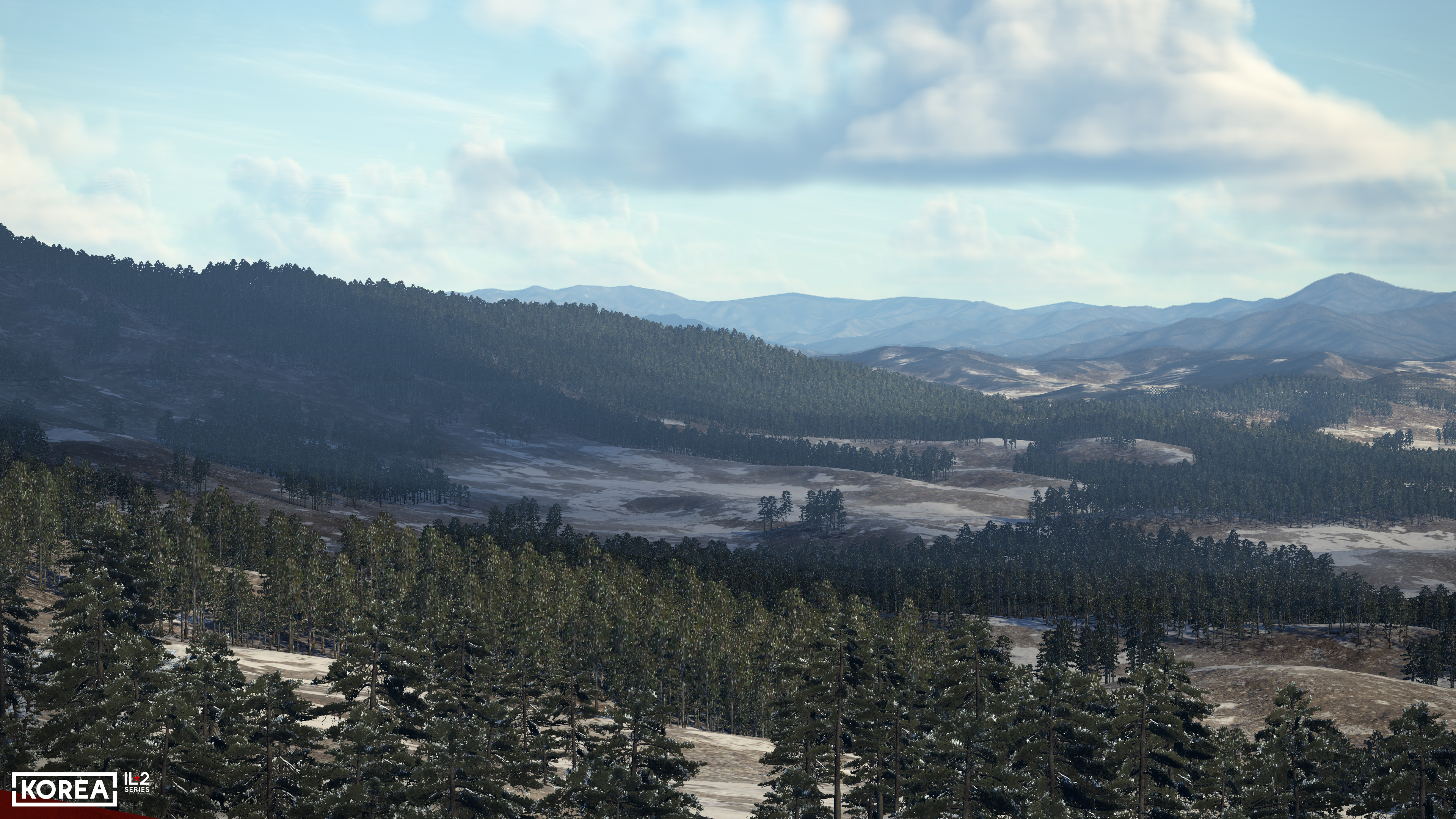
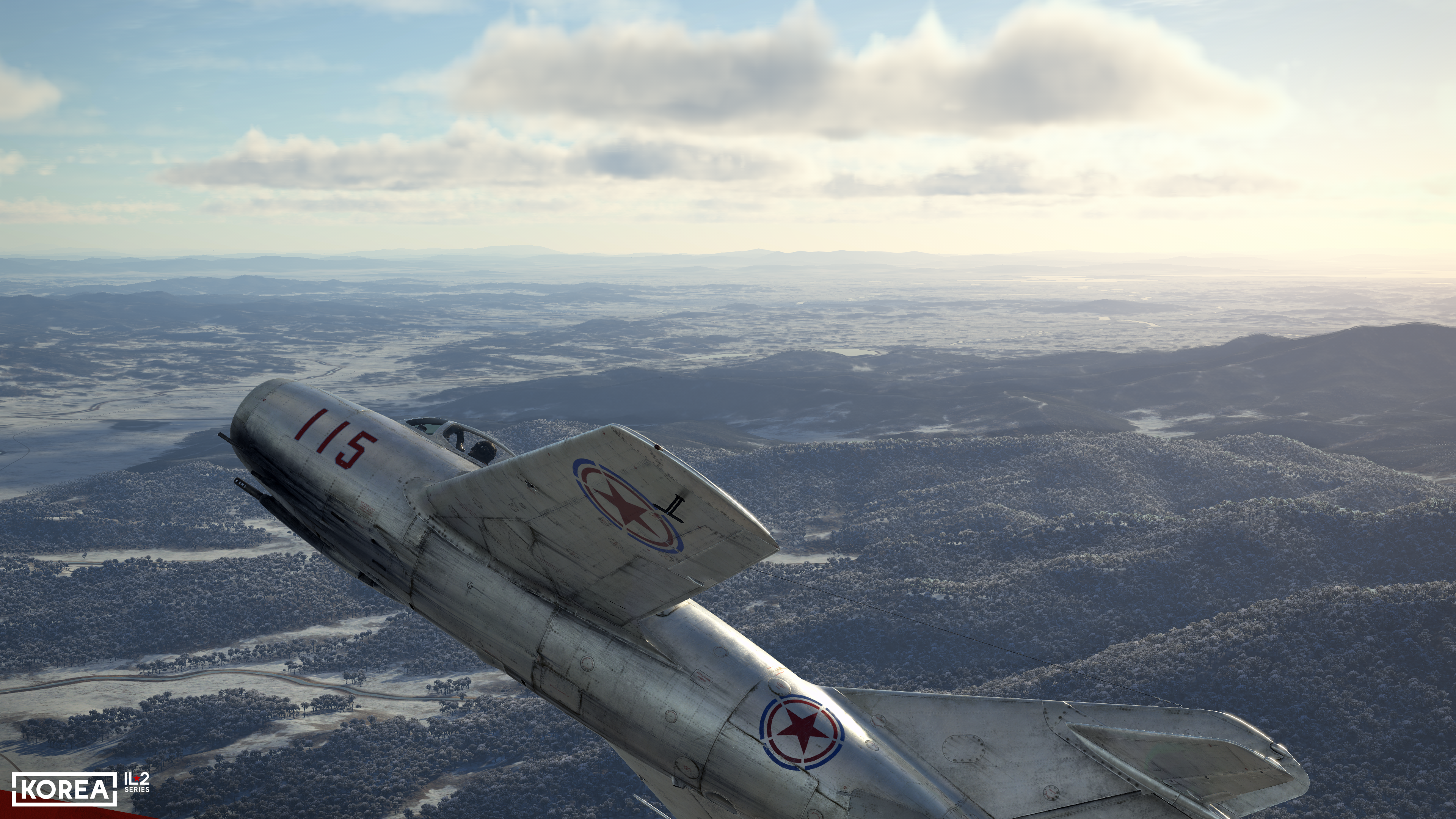
In winter, we tried to maintain a certain balance between snow cover and diversity, characteristic of this region. In some places, you can see areas completely covered in snow, while in others, there is only a small amount of snow. This diversity is particularly noticeable at altitude and creates a distinctive visual image of the Korean Peninsula, as close as possible to what we see in historical photographs.
And finally, the fifth season - blooming spring - is an incredibly fascinating and vibrant time of year in the Korean region. Spring in Korea will also be brought to life with a new artistic approach that more vividly captures the mood everyone expects from this season. But we'll show it a little later, so don't miss it - subscribe to our channels and social media YouTube, Facebook, Reddit, X, and Discord. We'd also like to remind you that you can support us right now by pre-ordering on our website. Stay tuned for updates! Stay in touch!