


Dev Blog# 56
Greetings, comrades!
As we conclude our Dev Blog series for 2025, we want to tell you about the people who inhabit the map of Korea. IL2 has always been more than just a flight simulator; it has also shown what is happening on the ground. Even 24 years ago, when the very first game in the series was released, it paid close attention to this, unlike many other flight simulators. This is one of the nuances that sets our simulator apart from different projects, so we couldn’t help but take another step forward in this direction.
As we conclude our Dev Blog series for 2025, we want to tell you about the people who inhabit the map of Korea. IL2 has always been more than just a flight simulator; it has also shown what is happening on the ground. Even 24 years ago, when the very first game in the series was released, it paid close attention to this, unlike many other flight simulators. This is one of the nuances that sets our simulator apart from different projects, so we couldn’t help but take another step forward in this direction.
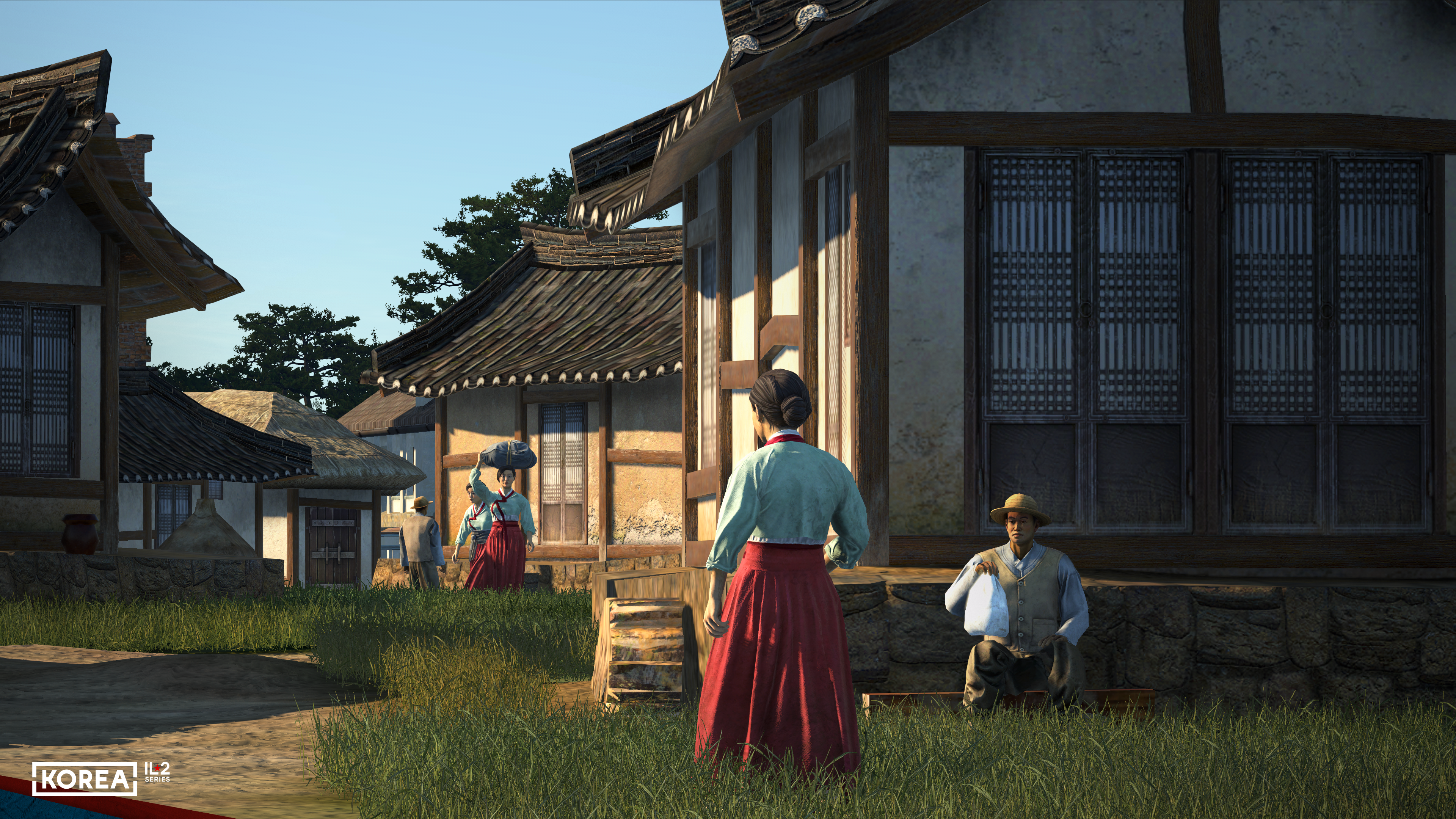
It would seem that when flying a jet fighter at an altitude of many miles and at tremendous speed, it doesn't really matter whether there are people on the ground or not. But this is actually essential for immersiveness.

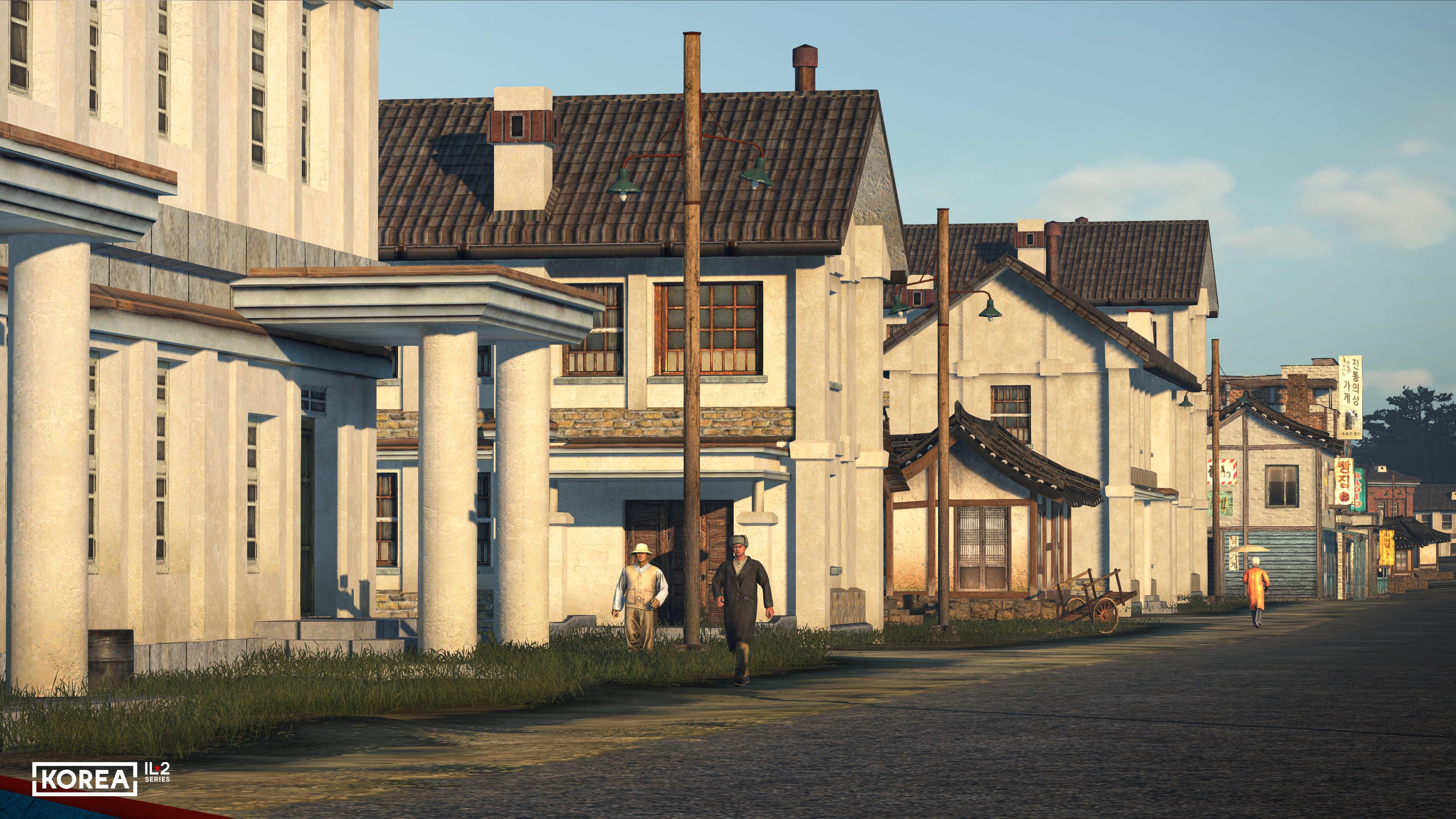
In "Korea," when you make an emergency landing near a village, or parachute into a city, or switch the camera to observe ground forces near a factory or ships at a port dock, you will see urban and rural civilians, factory or port workers. This knowledge is stored in your subconscious, which is essential for your perception of the plausibility and realism of the surrounding world.
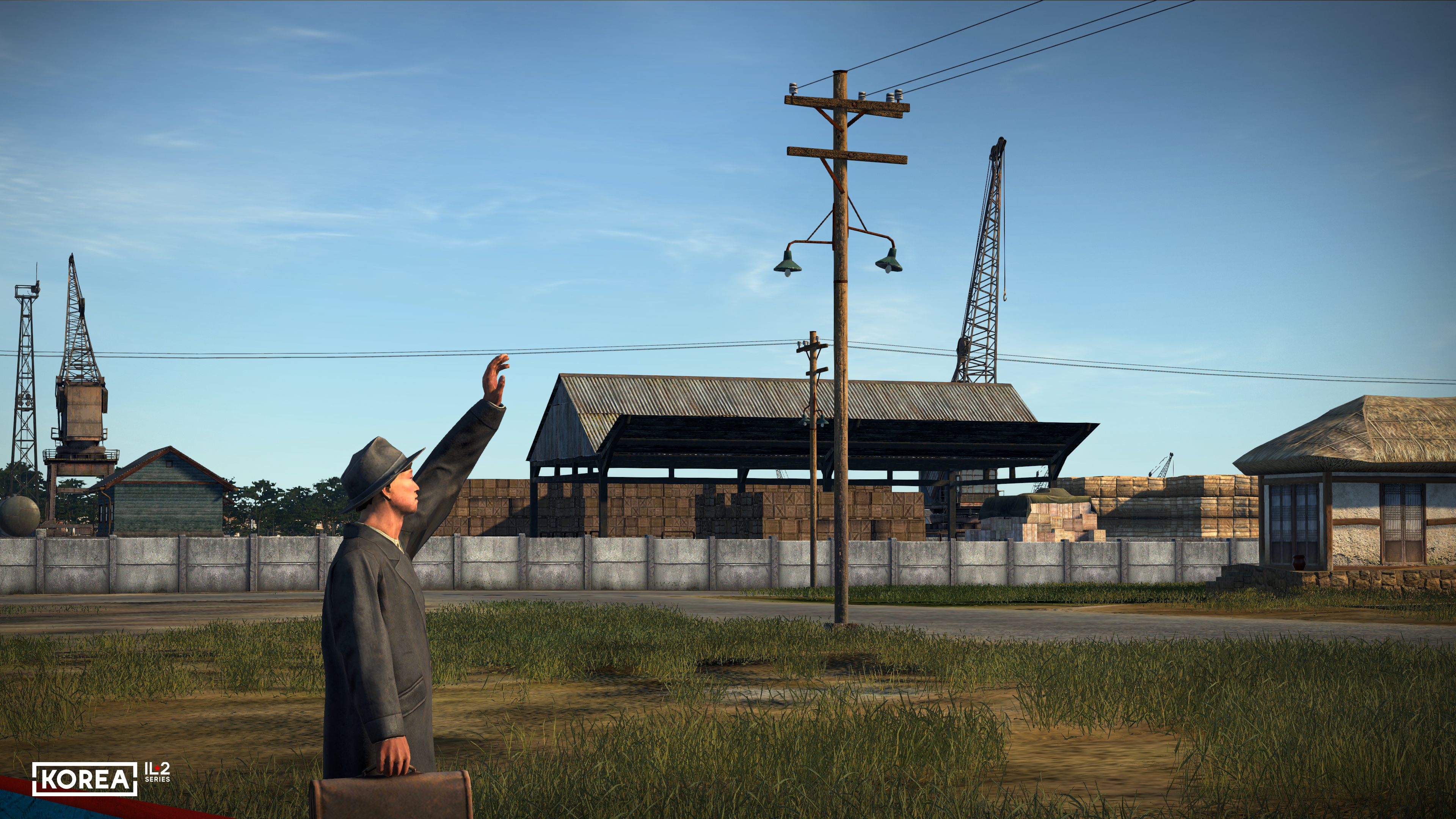
Only by descending so low and seeing characters so tiny compared to the miles of altitude and hundreds of miles of route will you truly feel the incredible scale of war in the air. Such additions to the game’s perception create the effect of immersion in its world.
Equally important is the moment when you are at the airfield: it is crucial to see that there are not only planes and buildings there. Technicians are doing something with various objects, and a pilot is going about his business not far from the control tower. Soldiers guard the checkpoint. Here, the direct influence on the immediate perception of the game scene’s details is even more apparent. Combined with the addition of the pilot’s body in the cockpit, this creates a feeling of involvement and attachment to the places and surroundings. In the game world, you are not just soulless technology, but a living person.

Only when you see all this during takeoff do you begin to truly realize the incredible altitude and speed that 1950s technology was already capable of, when each maneuver cuts through cubic miles of airspace. It is thanks to such details that you understand the actual speed and achievements of aviation, which has compressed weeks of travel into tens of minutes, and this highly addictive feeling of power available only to pilots, especially fighter pilots.

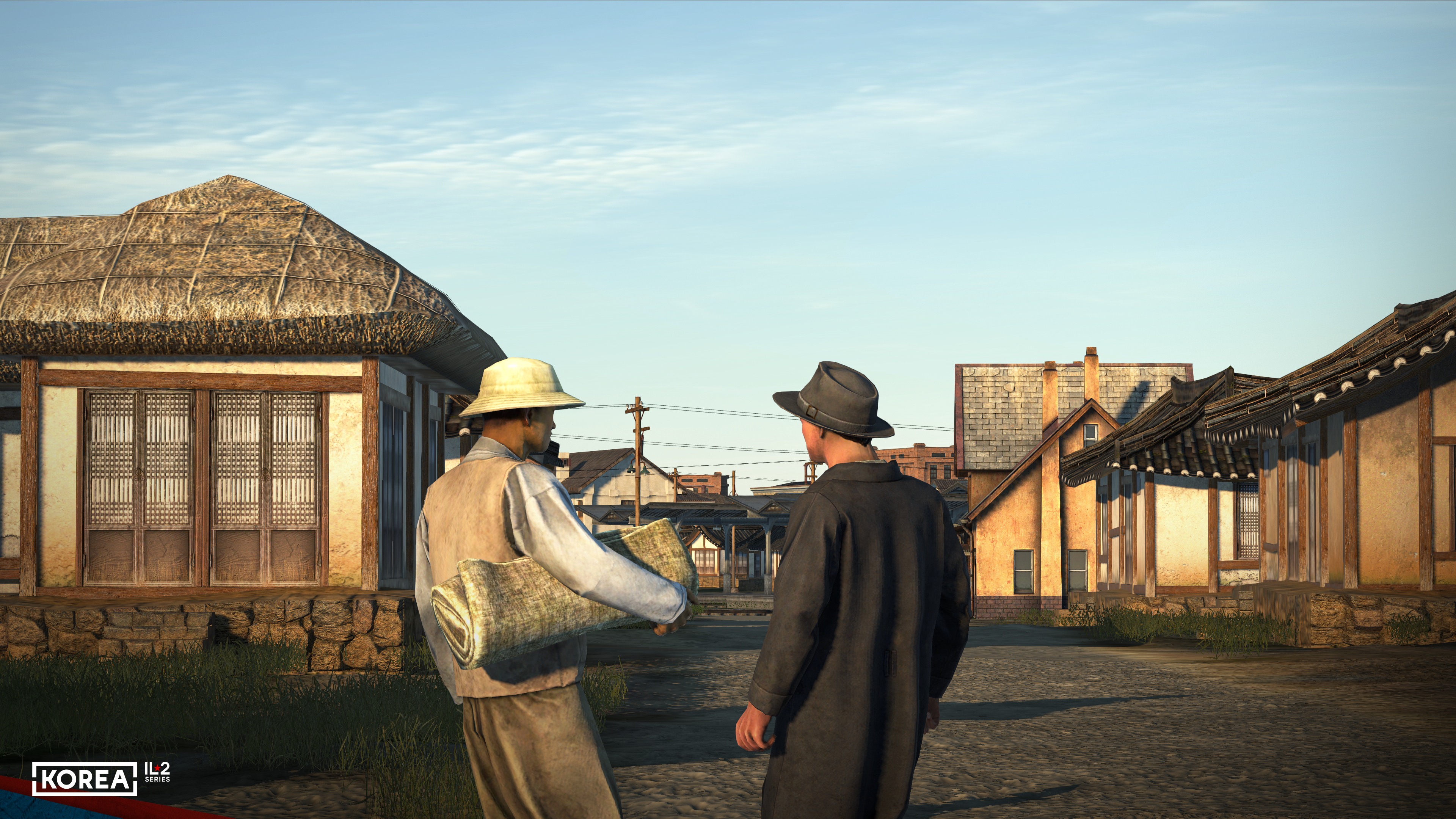
We created visual models of 28 characters: peasants and townspeople, airfield technicians and soldiers from four countries, sailors, and workers. Each civilian character can carry different luggage or wear different clothing, creating a rather diverse picture.
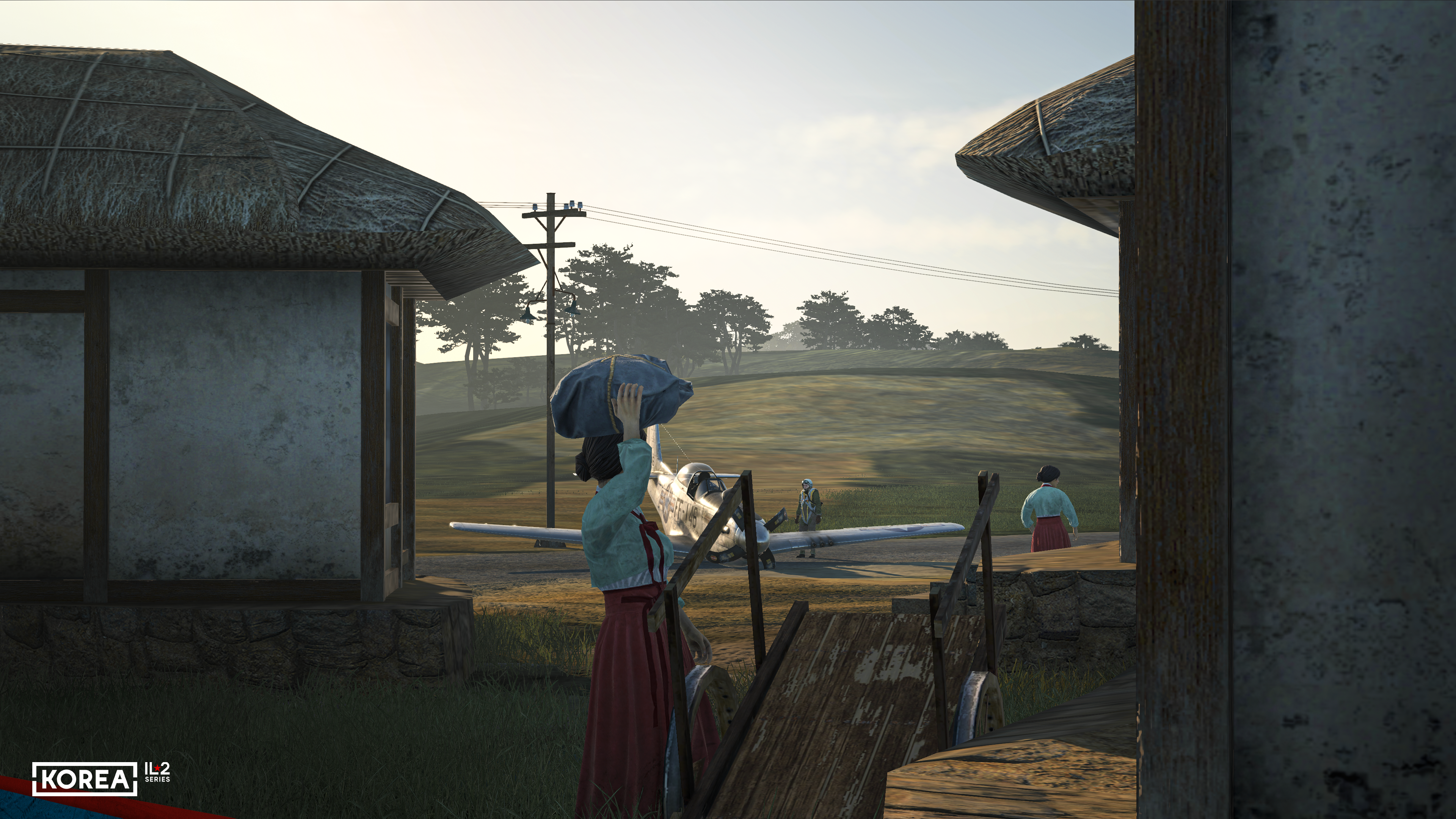
The characters move around a given location, performing actions appropriate to that place. They can stop and talk when they meet. When explosions occur nearby, they scatter and lie down to take cover from shrapnel.

At the same time, a lot of work has been done to ensure that there are a significant number of characters in a given area and, most importantly, that all of this works without consuming all of your computer’s resources. In many ways, this has been made possible by new technologies and the new game engine.
In the future, we will discuss the other techniques we have used to enhance immersion and increase the detail of the game world. This is the last diary entry for this year, but not the final news.

We would also like to announce that the big winter sale has begun: we invite you to visit the series webstore and the Great Battles page on Steam. The discounts are very substantial — we hope you’ll treat yourself to a Christmas gift you’ve been wanting for a long time!